








Our Bureau
New Delhi
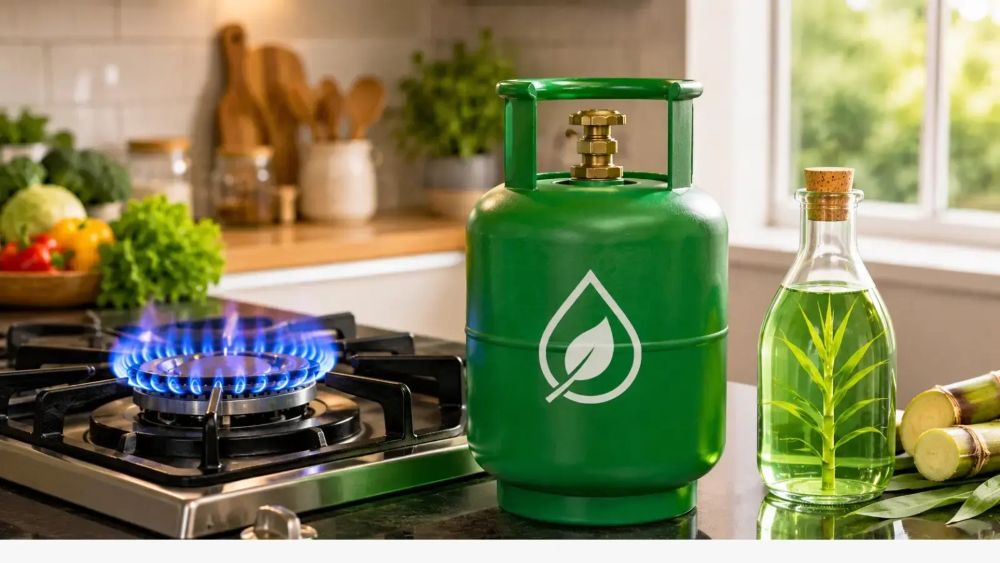
The Union government is considering introducing ethanol-based cooking fuel as an alternative to liquefied petroleum gas (LPG), a move aimed at reducing India’s dependence on imported cooking gas, strengthening energy security, and expanding the use of domestically produced biofuels. The proposal is currently under policy consideration and may involve ethanol-powered kitchen stoves and a dedicated distribution ecosystem.
The initiative builds on India’s successful ethanol blending programme in transport fuels and is expected to leverage the country’s growing ethanol production capacity. Officials believe ethanol could provide households with a cleaner, locally sourced cooking fuel while lowering the country’s import bill for LPG, a significant portion of which is sourced from overseas.
According to reports, the government is examining technical, safety, and logistical aspects before rolling out the policy. Dedicated ethanol-compatible cookstoves, fuel storage systems, and supply chains would be required for widespread adoption. Industry stakeholders are expected to be consulted before implementation.
The proposal aligns with India’s broader strategy of promoting biofuels to reduce fossil fuel imports and support domestic agriculture. Ethanol produced from sugarcane, maize, damaged food grains, and other feedstocks has already become a key component of the country’s energy transition. The government recently reiterated that while it has no plans to increase ethanol blending in petrol beyond the current 20% level for now, it remains committed to expanding ethanol’s role across other sectors after scientific evaluation and stakeholder consultations.
If approved, ethanol for cooking could mark another milestone in India’s clean energy roadmap by diversifying household fuel options, improving energy resilience, and creating additional demand for domestically produced biofuels. However, experts note that successful implementation will depend on affordability, consumer acceptance, infrastructure readiness, and stringent safety standards before the fuel can emerge as a viable alternative to conventional LPG.