








Our Bureau
New Delhi
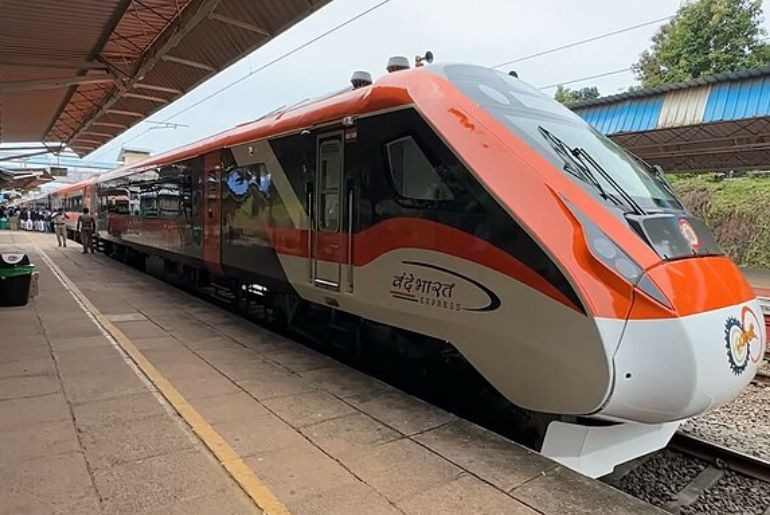
India and Japan have jointly decided to commence operations on the Mumbai-Ahmedabad High-Speed Rail (MAHSR) corridor using indigenously developed high-speed trainsets, marking a significant shift in the execution strategy of India’s first bullet train project. The decision was taken to ensure that the project remains on schedule, with the first operational section expected to open in 2027 while Japan’s next-generation E10 Shinkansen trains are still under development.
The Ministry of External Affairs said the move reflects a shared commitment by both countries to prioritize timely commissioning of the corridor. Alongside indigenous trainsets, the project will deploy globally interoperable signalling systems, ensuring compatibility with international high-speed rail standards and allowing flexibility for future upgrades.
Japanese E10 Shinkansen trains are expected to be introduced in the early 2030s after they become commercially available. Until then, domestically manufactured trains will serve the corridor, highlighting India’s growing capability in advanced rail engineering while preserving the long-standing technology partnership with Japan.
The announcement comes amid speculation over differences between the two countries regarding the project. However, the Indian government has dismissed reports of any rift, stating that bilateral discussions remain constructive and that both sides continue to work closely toward the successful completion of the high-speed rail corridor. Officials reiterated that signalling equipment has already been ordered in line with international specifications and construction is progressing steadily.
Spanning 508 kilometres between Mumbai and Ahmedabad, the high-speed rail project is India’s flagship infrastructure initiative aimed at transforming intercity travel. Once fully operational, the corridor is expected to significantly reduce travel time, strengthen regional connectivity, and serve as a milestone in the country’s high-speed rail ambitions while combining indigenous manufacturing with Japanese expertise in railway technology.