








Our Bureau
Mumbai
The Reserve Bank of India is set to introduce durable polymer banknotes across the country, marking a major shift from traditional cotton-paper currency to plastic notes that last longer and cost less to produce. The central bank revived the decade-old plan after currency demand surged sharply in recent years and printing expenses jumped 25%.
According to the RBI’s annual report for 2024-25, the cost of securely printing paper currency climbed to ₹6,372.8 crore, up from ₹5,101.4 crore the previous year. The steep rise was driven mainly by increased indents for printing more banknotes to meet public cash demand. Polymer notes, made from plastic, can last two to three times longer than paper notes, which reduces how often they need to be replaced.
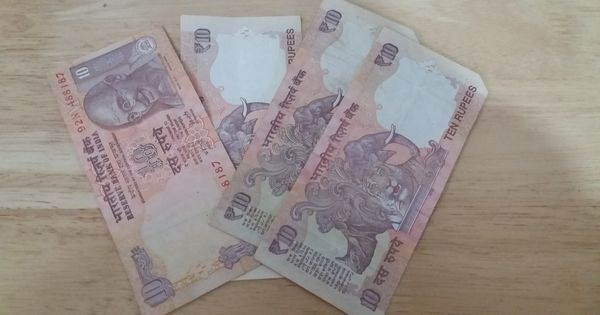
A pilot project for plastic banknotes is expected to be announced soon, sources familiar with the matter said. The trial will likely begin with ATMs being enabled to dispense the new polymer notes. The RBI had previously tested Rs 10 polymer notes in a small pilot but did not expand the program at that time.
The move aims to address both the growing need for cash and the rising expense of printing it. Polymer notes are more resistant to moisture, dirt, and tearing, making them better suited for India’s hot and humid climate.
The central bank’s decision comes as cash demand continues to rise nationwide. If the pilot succeeds, India could become one of the larger economies to fully adopt plastic currency, following countries like Australia, Canada, and the UK that already use polymer notes widely. The new notes are expected to improve the overall durability of India’s currency system while helping the RBI save on long-term printing costs.