








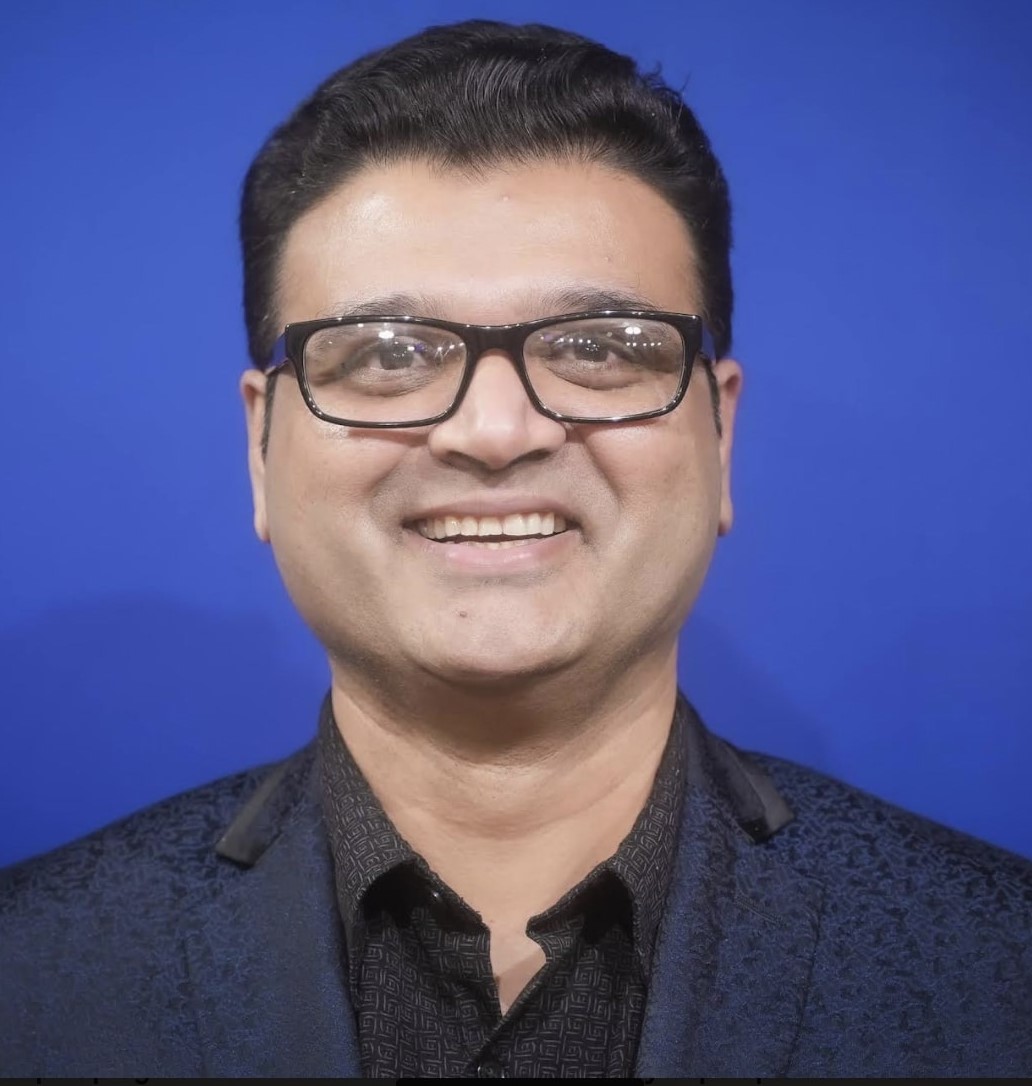
Archan Mehta
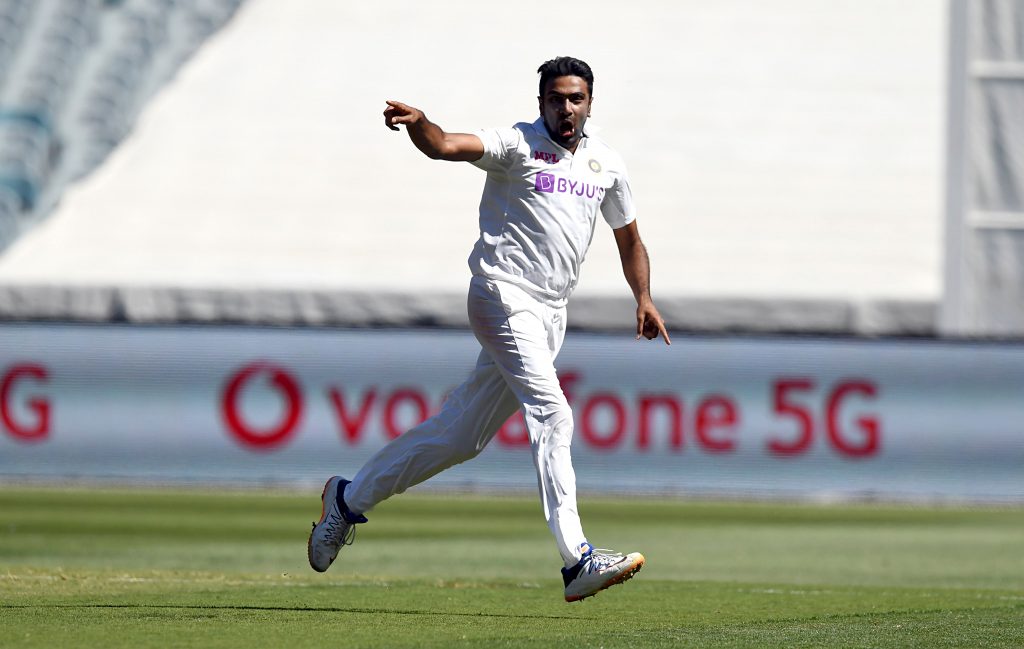
The professional trajectory of Ravichandran Ashwin represents one of the most significant intellectual shifts in the history of modern cricket. He didn’t just play cricket, he redesigned how it is understood. Moving beyond the traditional archetype of the spin bowler, Ashwin has cultivated a persona that synthesizes the analytical rigor of an engineer with the competitive instincts of an elite international athlete. Over his twenty-year career, he has constantly improved himself by breaking down the art of off-spin into a science. He doesn’t just play the game; he designs it, treating the cricket pitch like a laboratory where he constantly tests new ideas and outsmarts his opponents.
The “engineer-cricketer” tag often associated with Ashwin is more than a biographical footnote; it is the primary lens through which he views the mechanics of the sport. Holding a degree in Information Technology, Ashwin applied a systematic framework to his bowling long before data analytics became a global standard. While many rely on muscle memory, Ashwin’s approach is fundamentally experimental. He manages the “cognitive load” of modern cricket by treating every delivery as a variable in a larger equation, recording observations on pitch behavior and atmospheric conditions with a scientist’s precision.
The IPL served as the catalyst for Ashwin’s tactical evolution, particularly under MS Dhoni’s revolutionary decision to hand him the new ball. This era saw the perfection of the carrom ball, cementing his reputation as a high-stakes experimentalist. In Test cricket, his dominance peaked under Virat Kohli’s aggressive five-bowler philosophy; Ashwin leveraged the Magnus force to master “drift,” maintaining a staggering strike rate of 48.8 while thriving on non-responsive overseas tracks.
Off the pitch, Ashwin redefined the “player-fan” dynamic as a digital pioneer. Through Ash Ki Baat, Kutti Stories and technical analysis, he replaced vague clichés with logic-based discourse. By embracing his Tamil identity and professionalizing the narrative via YouTube, he proved that his intellectual curiosity is as influential in the broadcast booth as it is on the field.
As of early 2026, Ashwin continues to expand his legacy as a global ambassador for the sport, becoming the first-ever capped Indian international to sign with Major League Cricket’s San Francisco Unicorns. This move to the United States is viewed as a “seismic moment” for American cricket, representing a bridge between the sport’s traditional heartlands and its most ambitious new frontier. By choosing the Bay Area, a region defined by technological disruption and a massive South Asian diaspora, Ashwin has aligned his personal brand with an environment that mirrors his own intellectual curiosity. His presence serves a dual purpose: providing a world-class competitive edge to the Unicorns’ rotation and acting as a magnet for a fan base hungry for authentic cricketing icons.
The strategic implications of his MLC tenure extend far beyond his individual wicket tally. Ashwin’s role is increasingly that of a player-mentor, offering domestic US talent a rare opportunity to study the “Architectural Intelligence” of spin firsthand. Whether explaining the biomechanics of the carrom ball or the psychological nuances of field placements in the Oakland Coliseum, he is effectively accelerating the maturity of the American game. This transition is seamless, as he simultaneously maintains a high-profile presence in the commentary box, where his data-driven analysis continues to challenge the conventional wisdom of the broadcast booth.
Ultimately, Ravichandran Ashwin’s legacy is built on the dual foundation of a historic statistical record and a technical philosophy that has transformed spin bowling into a rigorous science. In a sport often dominated by “gut feeling,” Ashwin stands as a testament to the power of the strategic visionary. As he moves into the next phase of his career, whether as an analyst or a future coach, his impact on the game’s strategic landscape will endure, proving that the most effective weapon in a cricketer’s arsenal is, and always will be, their mind. In the end, Ravichandran Ashwin didn’t just spin the ball, he spun the very thinking of the game.
Archan Mehta is a writer dedicated to telling compelling stories about athletes, teams, and the world of cricket