








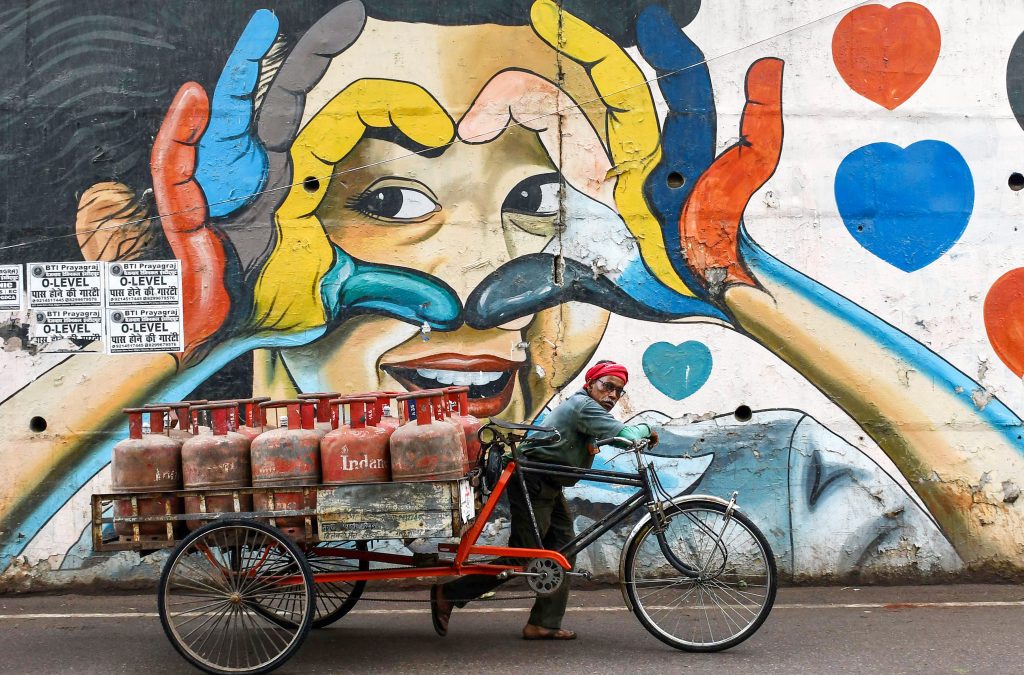
Queues on the ground and reassurances from the government highlight a widening gap between perception and reality as global disruptions raise questions about India’s energy security.
Our Bureau
Hyderabad / New Delhi / Mumbai
Images of long queues at fuel stations and official assertions of “no shortage” are colliding at a time when global energy markets are under stress due to the ongoing Middle East conflict, raising a critical question: is the Iran-linked disruption triggering an energy crisis in India, or merely a crisis of perception?
On the ground, signs of stress are visible. In Hyderabad’s Khairatabad area, “massive queues of autorickshaws were seen at a gas filling station” as drivers rushed to secure fuel. Local drivers reported waiting for long hours and urged authorities to “take immediate action to resolve the gas crisis.”
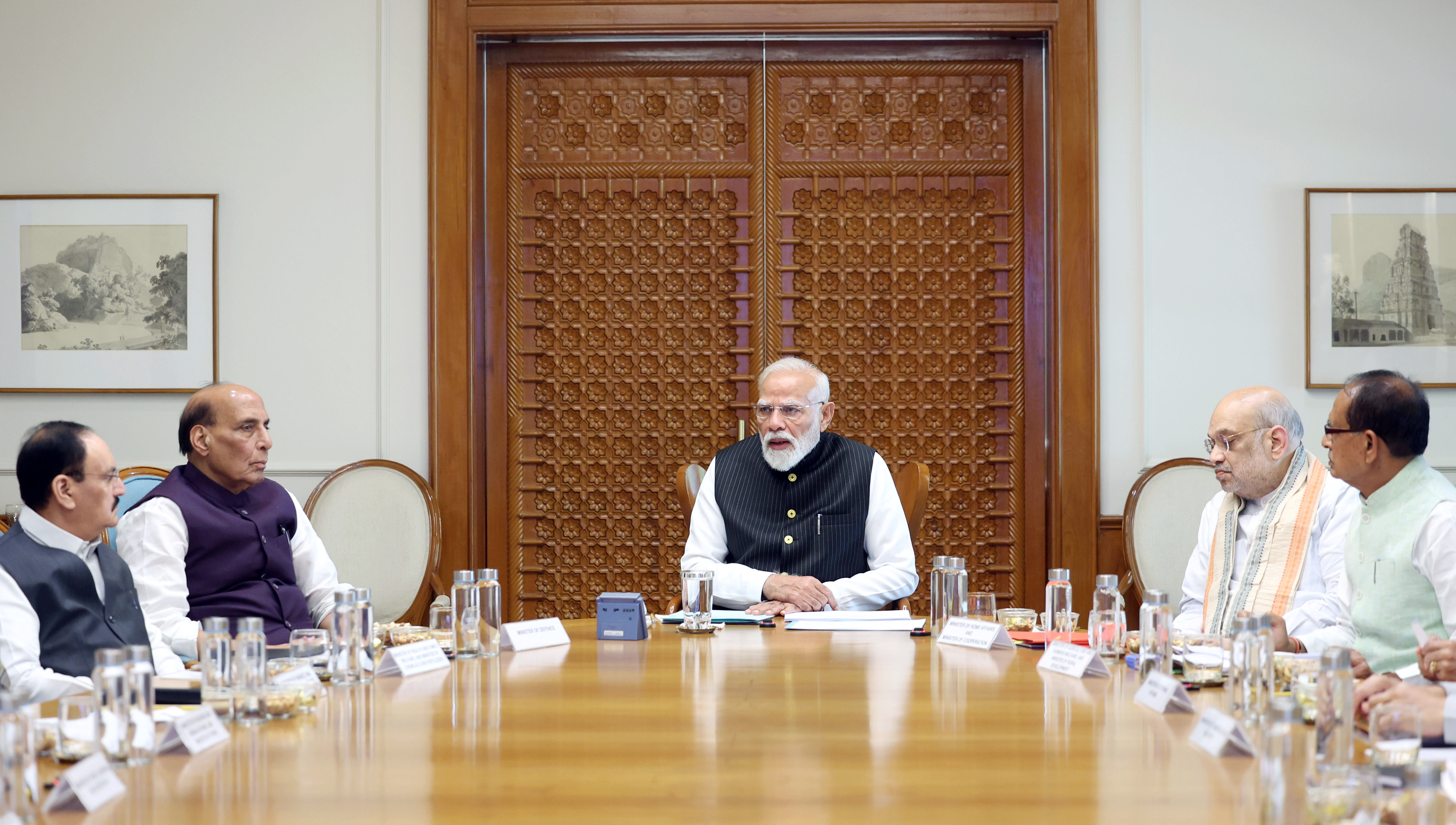
In Parliament, Narendra Modi addressed concerns over fuel shortages amid the West Asia conflict, assuring that India’s energy situation remains stable. He stated that the country has “sufficient crude oil reserves and robust arrangements for continuous supply,” highlighting the expansion of strategic petroleum reserves. Modi also emphasised that India has diversified its energy imports from 27 to 41 countries over the past decade to reduce dependency on any single region. He underlined that these measures have strengthened resilience, ensuring uninterrupted fuel availability despite global disruptions and uncertainties in key energy routes such as the Strait of Hormuz.
But political reactions have amplified these concerns. Bharat Rashtra Samithi leader Ravula Sridhar Reddy described the situation as alarming. “The situation on the ground is very bad. Even in Hyderabad, you can see huge lines before the petrol pumps to fill the fuel. The panic is gripping despite many statements,” he said, calling for coordination between state and central governments to ensure uninterrupted supply and restore confidence.
Similar scenes and concerns have emerged elsewhere, with reports of long queues and heightened anxiety among consumers. In Jammu and Kashmir, Chief Minister Omar Abdullah issued a direct appeal against panic behaviour, warning, “My earnest request is that you stop camping outside petrol pumps otherwise, I will shut all the petrol pumps for the next few days.” He acknowledged the situation as “regrettable,” attributing it to misinformation despite official clarity.
At the national level, however, the government has firmly rejected the notion of any supply crisis. The Petroleum Ministry has repeatedly stated that “there is no shortage of petrol, diesel, or LPG anywhere in the country,” emphasising that “all retail outlets are operating normally, with adequate supplies.”
Officials have attributed the visible queues to panic buying rather than actual scarcity. According to the Telangana Civil Supplies Department, “recent reports of long queues and temporary ‘No Stock’ boards… are strictly the result of sudden, unwarranted panic buying fueled by false rumours.” It added that when consumers rush to fill tanks “to full capacity, it creates an artificial scarcity, despite adequate fuel being available.”
The Centre has echoed this assessment. Sujata Sharma, Joint Secretary in the Petroleum Ministry, said, “In the last two days, queues have been seen outside retail outlets and petrol pumps, and we observed panic buying… I want to assure the nation that we have adequate petrol and diesel. There is no scarcity.”
Government data points to strong supply fundamentals. India has more than one lakh retail fuel outlets “open and dispensing fuel without interruption,” with “not a single outlet… asked to ration supply.” Refineries are operating at “over 100% utilisation,” and crude supplies for the next 60 days have already been secured.
Officials also highlight diversification as a key buffer. According to the government, India is sourcing crude from “41-plus suppliers across the world,” with global availability compensating for disruptions in traditional routes. Even amid challenges at the Strait of Hormuz, authorities maintain that “there is no supply gap.”
Yet, beneath these assurances lies a more complex global backdrop. A report by Ambit Institutional Equities describes the current moment as one of “structural dislocation” in the global energy system following the 2026 Middle East conflict.
The report quantifies the scale of disruption: “Kinetic strikes on critical infrastructure have removed 2.5mbd of refining capacity and 17% of Qatari LNG supply,” with recovery timelines potentially stretching “up to five years.” It also highlights logistical shocks, noting that the “effective closure of the Strait of Hormuz has forced a 95% reduction in maritime transit,” significantly increasing freight costs.
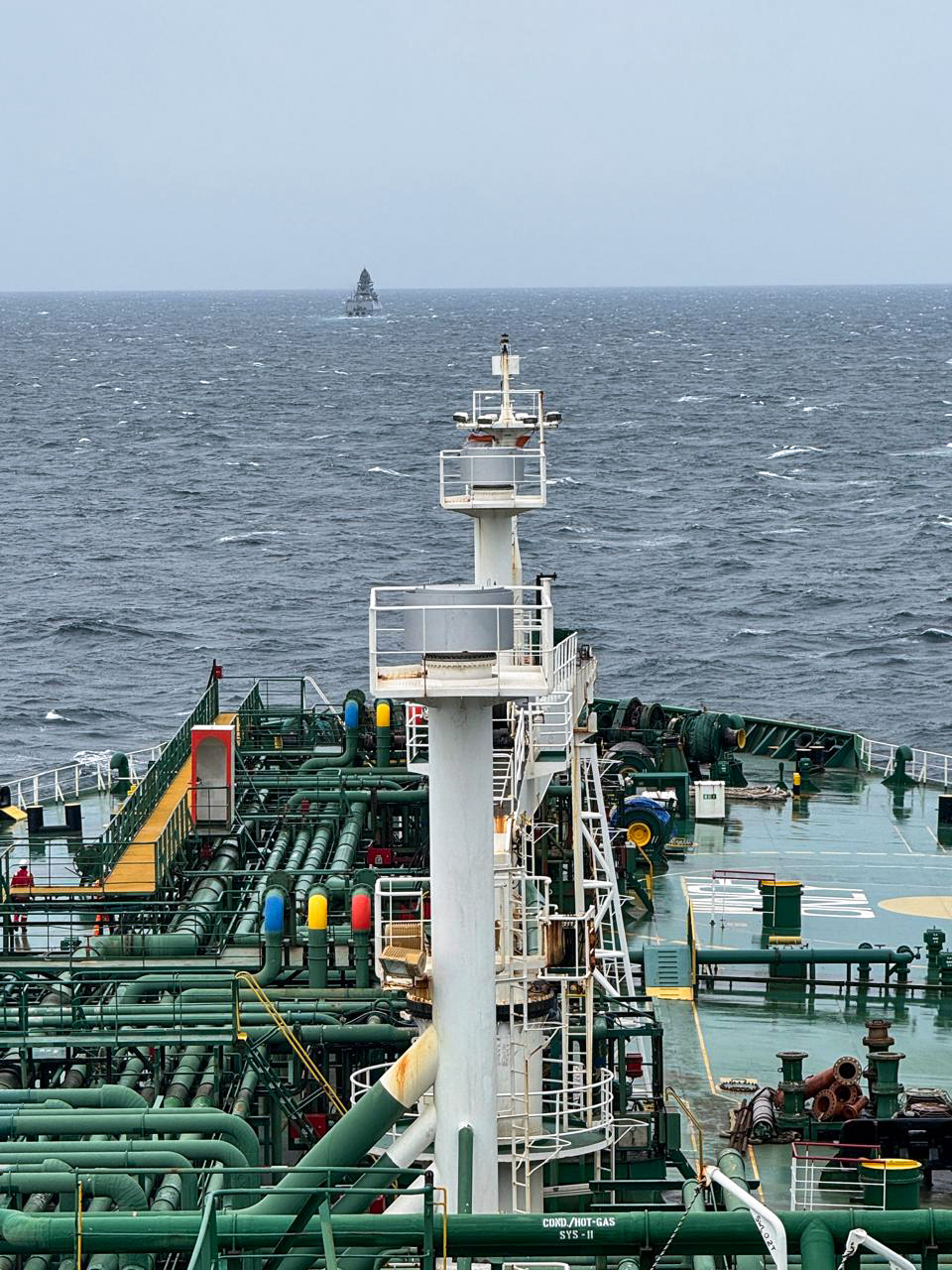
These developments have tightened global supply and pushed prices higher. “Brent crude is established in a $80–$100/bbl range,” supported by a “physical market shortage of 7mbd,” the report states, adding that geopolitical risk premiums are likely to persist “till FY30.”
This divergence—between stable domestic supply and turbulent global conditions—lies at the heart of the current debate. While India’s immediate supply position appears secure, the external environment is becoming increasingly volatile.
The government has acknowledged these risks indirectly through its policy responses. Officials have pointed to expanded strategic reserves, increased domestic refining capacity, and diversification of import sources over the past decade. Prime Minister Narendra Modi noted that India has “sufficient crude oil reserves and robust arrangements for continuous supply,” while highlighting a shift from 27 to 41 import sources.
At the same time, Indian companies are actively seeking long-term safeguards. The Ambit report cites international partnerships, including refinery investments abroad, as part of a strategy to “secure long-term hydrocarbon supplies while reducing reliance on traditional suppliers in volatile regions.”
However, the economic implications of sustained global disruption remain a concern. The report warns that higher crude prices could “pressure the financials of oil marketing companies,” potentially compressing margins and affecting balance sheets if retail price adjustments remain limited.
Political reactions suggest that public perception may be shaped as much by economic stress as by physical availability. Samajwadi Party chief Akhilesh Yadav criticised the government, saying, “The Bharatiya Janata Party has given nothing but queues,” linking fuel concerns to broader public hardship.
Despite these criticisms, official messaging remains consistent: there is no immediate energy crisis. The Petroleum Ministry has stressed that India, as a “net exporter,” has “structurally assured” availability of petrol and diesel. It has also warned that spreading false information about shortages is an offence and urged citizens to rely only on verified sources.
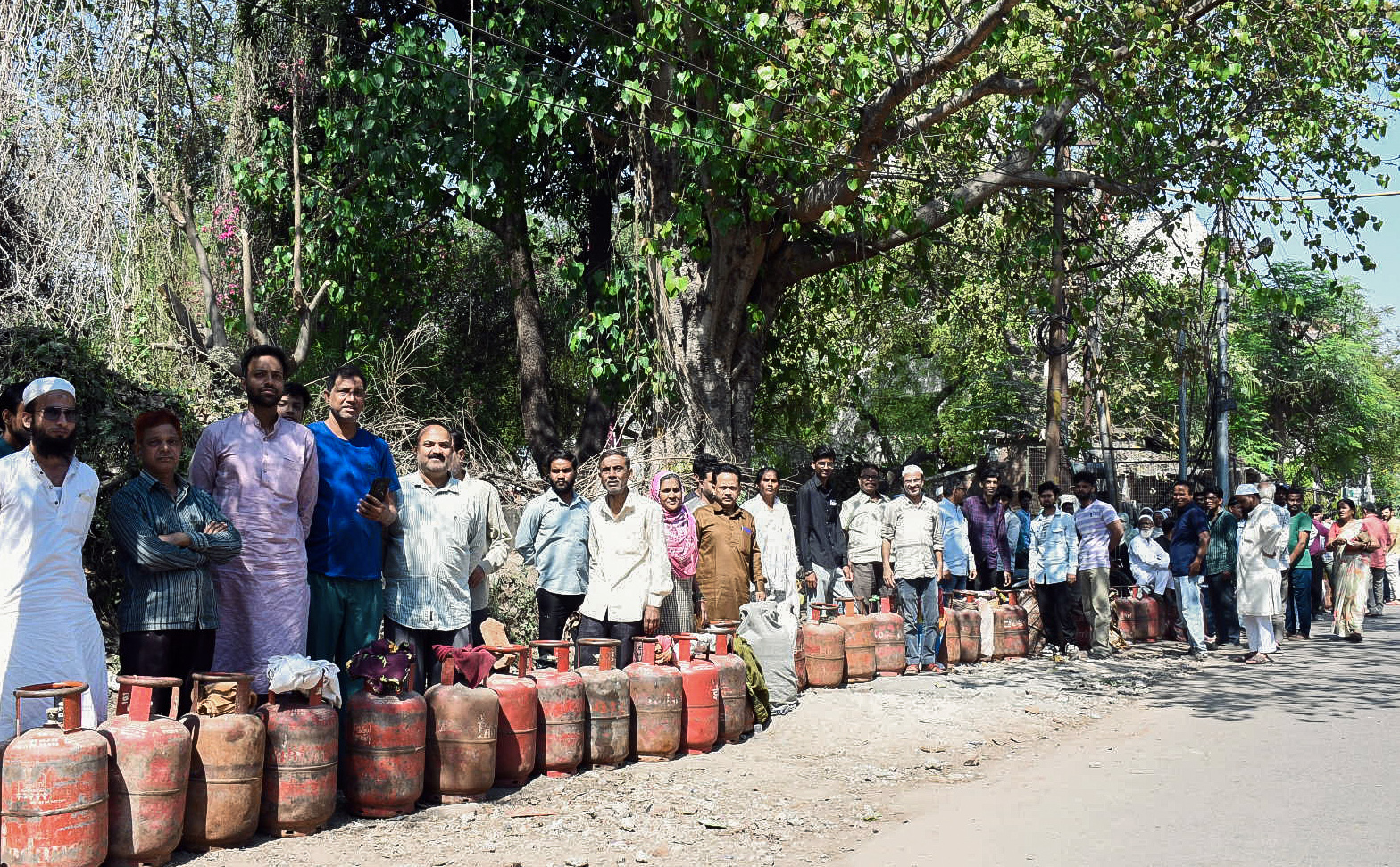
The government has also taken operational steps to stabilise the situation, including increasing credit limits for petrol pumps and ramping up depot operations to meet sudden surges in demand.
Meanwhile, administrative and political coordination is underway at the highest levels. Prime Minister Modi is set to review preparedness with Chief Ministers, focusing on “coordinated action” in response to the West Asia conflict. An all-party meeting has already been briefed on the situation, with officials describing India’s handling of energy supplies as a “diplomatic success.”
The evidence, therefore, presents a dual reality. On one hand, visible queues, public anxiety, and political criticism suggest stress within the system. On the other, official data and infrastructure capacity indicate that supply lines remain intact and robust.
The key variable appears to be time. While India has insulated itself from immediate shocks through diversification and stockpiling, the global energy system is undergoing prolonged disruption. As the Ambit report notes, normalization could take years, with elevated risk premiums persisting through the decade.
For now, India’s situation does not reflect a conventional energy crisis defined by physical shortages or rationing. Instead, it reflects a complex interplay of global disruption, domestic resilience, and public perception—where panic, rather than scarcity, is driving visible strain.
Whether this balance holds will depend not only on domestic management but on how long the external shocks continue to reverberate through global energy markets.