








Beyond Handshakes and Headlines: Transforming Diaspora Capital into Economic Power
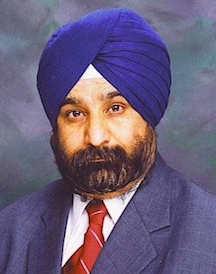
H. S. Panaser
History occasionally presents governments, institutions and communities with opportunities that could redefine economic relationships for generations. New Jersey and India may well be approaching such a moment.
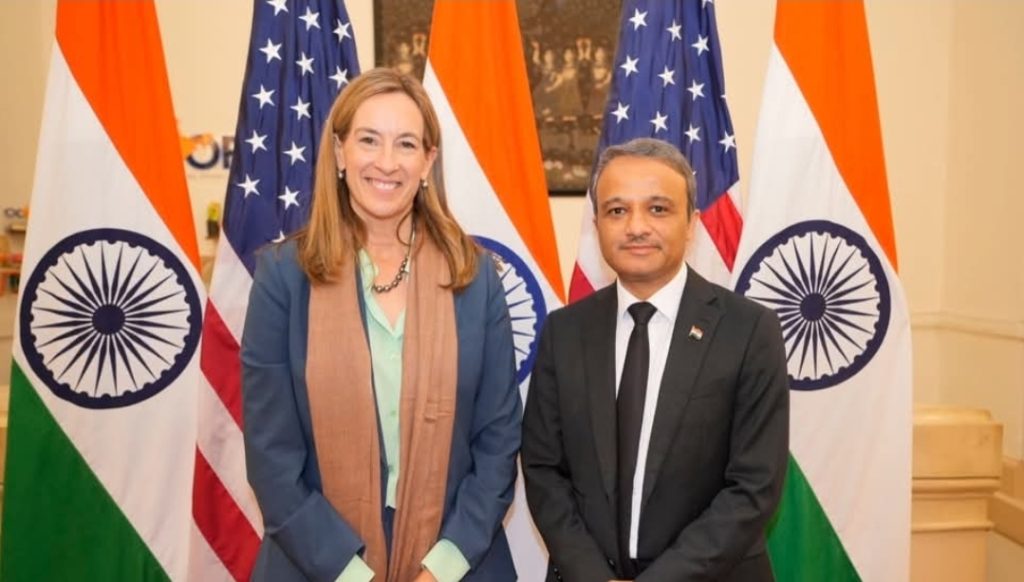
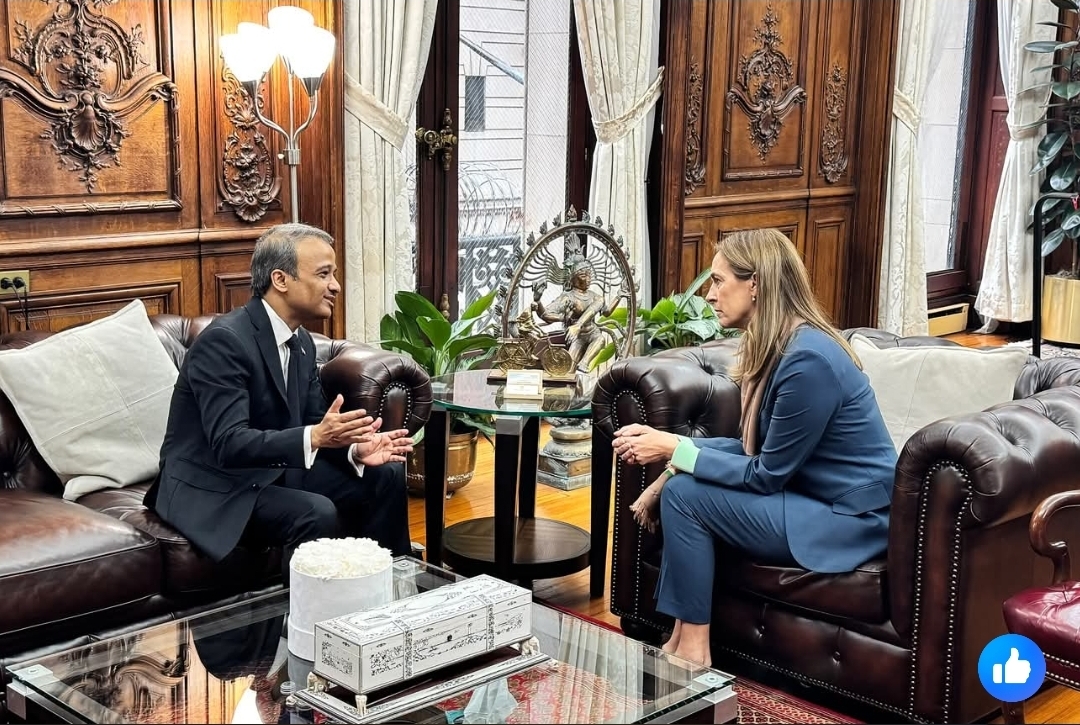
The recent meeting between New Jersey Governor Mikie Sherrill and Binaya S. Pradhan, Consul General of India in New York, alongside the November 12, 2026, NASSCOM US CEO Forum, represents more than a diplomatic development. It provides an opportunity to rethink the architecture of New Jersey’s economic relationship with India.
At a time when artificial intelligence, geopolitical realignments, changing immigration policies and manufacturing localization are reshaping the global economy, relationships between nations must increasingly be complemented by partnerships between states, industries, universities and accomplished professionals.
Governor Sherrill’s engagement with Indian corporate leadership is an encouraging development. Equally, Ambassador Pradhan deserves special appreciation for his proactive approach to economic diplomacy, bringing government leadership, corporate decision-makers and diaspora stakeholders into closer engagement.
New Jersey: India’s Potential Economic Gateway to America
New Jersey possesses a distinctive combination of industrial, geographical, demographic and intellectual advantages that could position it as a preferred destination for Indian enterprises expanding into North America.
According to figures published by Choose New Jersey, bilateral goods trade between New Jersey and India reached approximately $11.3 billion in 2023. Its published economic profile identifies 211 Indian companies in the state, approximately $2.1 billion in Indian investment since 2003 and 8,840 jobs created by Indian companies.
The NJEDA Global Economic Index 2025 further highlights India’s economic significance, identifying that ten of the fourteen largest Indian pharmaceutical companies maintain corporate offices in New Jersey. The New Jersey–India Commission has established important institutional foundations. The next objective should be to translate these advantages into an integrated economic partnership encompassing pharmaceuticals, biotechnology, healthcare, AI, IT, advanced manufacturing, higher education and scientific research.
Beyond infrastructure and financial incentives, however, New Jersey possesses another competitive advantage: a remarkably accomplished Indian-American diaspora with firsthand knowledge of both economic ecosystems. This accumulated professional and intellectual capital remains an insufficiently utilized economic resource.
The Diaspora: From Cultural Ambassadors to Economic Architects
For decades, the Indian diaspora has been celebrated for its entrepreneurial achievements, cultural contributions and ability to serve as a bridge between nations. However, as India emerges as a major global economic force, the understanding of diaspora engagement must also evolve. Today’s diaspora includes corporate executives, pharmaceutical scientists, physicians, technology entrepreneurs, academicians, regulatory specialists, investors and international business strategists. Many have spent decades developing relationships with corporate headquarters, government institutions and academic establishments in both countries.
When governments and diplomatic institutions select diaspora representatives for economic initiatives, organizational affiliation and community leadership should be complemented by an appreciation of individual professional accomplishments, sectoral expertise and demonstrated contributions.
A pharmaceutical executive may be particularly qualified to facilitate manufacturing investments. A scientist may be instrumental in establishing research collaborations. A technology entrepreneur may possess the relationships required to advance AI and digital innovation.
The guiding question should therefore extend beyond who represents the diaspora to what an individual can professionally contribute and deliver. Organizations provide platforms and institutional continuity. Individuals bring specialized expertise, credibility, relationships and execution capabilities. Both are essential, but neither should substitute for the other.
Beyond Networking: The Importance of Strategic Access
There is a fundamental difference between meeting corporate executives at conferences and securing substantive discussions within their corporate headquarters with Chairmen, Managing Directors and C-suite decisionmakers. It is at these headquarters that major decisions concerning international expansion, manufacturing investments, acquisitions, research and capital allocation are generally formulated.
Drawing upon my professional experience across pharmaceuticals, healthcare, information technology and international business development, I have witnessed the importance of this distinction. Through independently cultivated professional relationships, I facilitated engagements within the corporate headquarters of leading Indian pharmaceutical enterprises, including Sun Pharmaceuticals, Torrent Pharmaceuticals, Zydus Lifesciences, Cadila Pharmaceuticals, Hetero Drugs, Micro Labs, Bharat Biotech and Alembic Pharmaceuticals.
These meetings, undertaken without external institutional assistance in securing access, addressed artificial intelligence, digital transformation, cybersecurity, pharmaceutical innovation and international business collaboration. Professional engagements also extended to Chief Ministers, senior government officials, drug regulatory authorities and industry associations, including CII, FICCI and pharmaceutical manufacturing bodies. One such initiative involved facilitating an engagement between Dr. Rahul Gupta, then Director of the White House Office of National Drug Control Policy, and the Karnataka Drugs and Pharmaceutical Manufacturers Association in Bengaluru.
Equally significant are invitations extended to individual diaspora professionals by Indian universities as chief guests, keynote speakers and subject-matter experts on artificial intelligence in pharmaceutical research, drug discovery, strategic marketing, leadership and emerging technologies. Academic engagements have included Panjab University, NIPER, Chitkara University, Amity University, IITs, Banaras Hindu University and institutions across Gujarat.
Many of these engagements are documented through press coverage, photographs, professional publications and institutional records associated with the Global Indian Trade & Cultural Council and Global Indian Diaspora Alliance.
These examples illustrate the broader potential of accomplished diaspora professionals to complement government-led economic initiatives.
Pharmaceuticals: The Next Major Opportunity Beyond IT
While the recent engagement with Indian technology executives is encouraging, an equally compelling opportunity exists in pharmaceuticals, biotechnology, healthcare and life sciences. India has established itself as a critical supplier of affordable medicines to global markets, while New Jersey has historically occupied a prominent position in America’s pharmaceutical and biotechnology ecosystem.
Changing trade policies, supply-chain vulnerabilities, regulatory expectations and the growing emphasis on domestic manufacturing are encouraging Indian pharmaceutical enterprises to reassess their international operating models. New Jersey should position itself to attract investments in active pharmaceutical ingredients (APIs), complex generics, biologics, biosimilars, specialty pharmaceuticals, medical devices, contract manufacturing and scientific research.
Building upon the NASSCOM initiative, I would advocate exploring a New Jersey–India Pharmaceutical and Life Sciences CEO Forum, bringing together Chairmen, Managing Directors and CEOs of leading Indian pharmaceutical manufacturers with New Jersey’s government leadership, NJEDA, Choose New Jersey, diplomatic representatives and research institutions.
Experienced diaspora professionals could facilitate direct corporate engagement, identify prospective investors and assist in understanding the regulatory and commercial considerations associated with American expansion. The objective should extend beyond organizing another prestigious conference. Prospective projects should be identified before the event, followed by sustained professional engagement involving feasibility assessments, site selection, workforce planning and commercial negotiations.
New Jersey must not simply wait for investment proposals to arrive. It should actively participate in shaping investment decisions. Such an initiative could contribute to American employment, domestic manufacturing, affordable healthcare and supply-chain resilience while creating sustainable international growth opportunities for Indian enterprises.
Artificial Intelligence, Academia and the Future of Innovation
The next decade of New Jersey–India relations should increasingly be defined by the convergence of technology, scientific research and human capital. Artificial intelligence is transforming molecular discovery, clinical research, pharmaceutical manufacturing, medical diagnostics and healthcare delivery. India’s scientific and technological capabilities, combined with America’s advanced research infrastructure and innovation ecosystem, present considerable opportunities for collaboration.
New Jersey could facilitate partnerships involving Indian pharmaceutical manufacturers, technology enterprises, American universities, IITs, NIPERs and other research institutions. Such initiatives could promote AI-assisted drug discovery, new-molecule development, advanced manufacturing, Global Capability Centers (GCCs), research commercialization and joint intellectual property development.
Rather than limiting bilateral technology engagement to outsourcing or manufacturing, both economies should increasingly become partners in creating intellectual property. Changing immigration policies and uncertainty surrounding skilled-worker mobility also make it necessary to move beyond the traditional concept of brain drain towards a new era of brain circulation.
Scientists, executives, entrepreneurs and academicians can increasingly contribute across geographical boundaries through international research networks, digital platforms and institutional partnerships.The diaspora is uniquely positioned to facilitate this transformation.
Generation Z: The Ultimate Beneficiary
Economic diplomacy must ultimately create opportunities for future generations. For Generation Z, employment, education costs, technological disruption, entrepreneurship and economic security remain significant concerns. Artificial intelligence is simultaneously creating opportunities and challenging traditional professional pathways.
New Jersey’s universities and community colleges could establish stronger partnerships with Indian academic and research institutions through joint research, international internships, faculty exchanges, executive education, entrepreneurship and AI-driven skill development.
Experienced diaspora professionals could contribute as mentors, visiting faculty, industry advisors and facilitators of international partnerships.The objective should not merely be to prepare younger generations for existing jobs. It should empower them to create enterprises, develop intellectual property, advance scientific research and generate employment opportunities for others. Ultimately, investments in human capital may prove as valuable as investments in manufacturing infrastructure.
Measuring Success Beyond Meetings and Memorandums
Trade delegations, diplomatic receptions, conferences and memorandums of understanding remain important instruments of bilateral engagement. However, their long-term significance must increasingly be measured through tangible outcomes.How many manufacturing facilities have been established? How much investment has been secured? How many jobs, research collaborations, joint ventures and educational opportunities have been created?
Governments and economic development agencies could benefit from engaging accomplished diaspora professionals through inclusive, sector-specific advisory networks, drawing upon individual expertise and demonstrated capabilities. Such participation should remain transparent, nonpartisan and independent of exclusive organizational affiliations. Diplomats create opportunities. Governments establish enabling policies. Economic development agencies facilitate investment. Corporate leaders deploy capital. Universities generate knowledge. Experienced diaspora professionals can help connect these capabilities.
It is the convergence of these contributions that could fundamentally transform New Jersey–India relations.
The Next Decade: A Partnership of Builders
The diplomatic engagement between Governor Mikie Sherrill and Ambassador Binaya S. Pradhan provides encouraging momentum for a broader and more ambitious economic partnership. New Jersey possesses the institutions, infrastructure and professional talent necessary to participate meaningfully in India’s global economic expansion. India possesses the entrepreneurial energy, scientific expertise, industrial capabilities and technological ambition to become an increasingly important economic partner for New Jersey.
Between these two ecosystems stands a remarkably accomplished diaspora.
Its potential extends far beyond cultural diplomacy and ceremonial representation. It can facilitate investments, connect boardrooms, build research partnerships, mentor future generations and transform diplomatic aspirations into economic realities. The next decade of New Jersey–India relations should not be remembered merely for the number of handshakes exchanged, photographs taken or headlines generated. It should be remembered for the factories established, employment opportunities created, medicines discovered, technologies developed, universities connected and generations empowered.
The Indian diaspora must not remain merely a witness to the history of US–India relations. It must become one of its architects.
For New Jersey and India, the next frontier is not simply diplomacy. It is economic delivery.
H. S. Panaser, is a global business strategist with over three decades of professional experience in pharmaceuticals, healthcare, information technology and US–India economic relations, including corporate and advisory roles with GlaxoSmithKline, Birlasoft and Coolsoft LLC. The views expressed are personal