








India’s semiconductor push is moving from ambition to production, creating the foundations of a new industrial ecosystem that could generate jobs, deepen manufacturing and strengthen the country’s position in global supply chains
Our Bureau
New Delhi
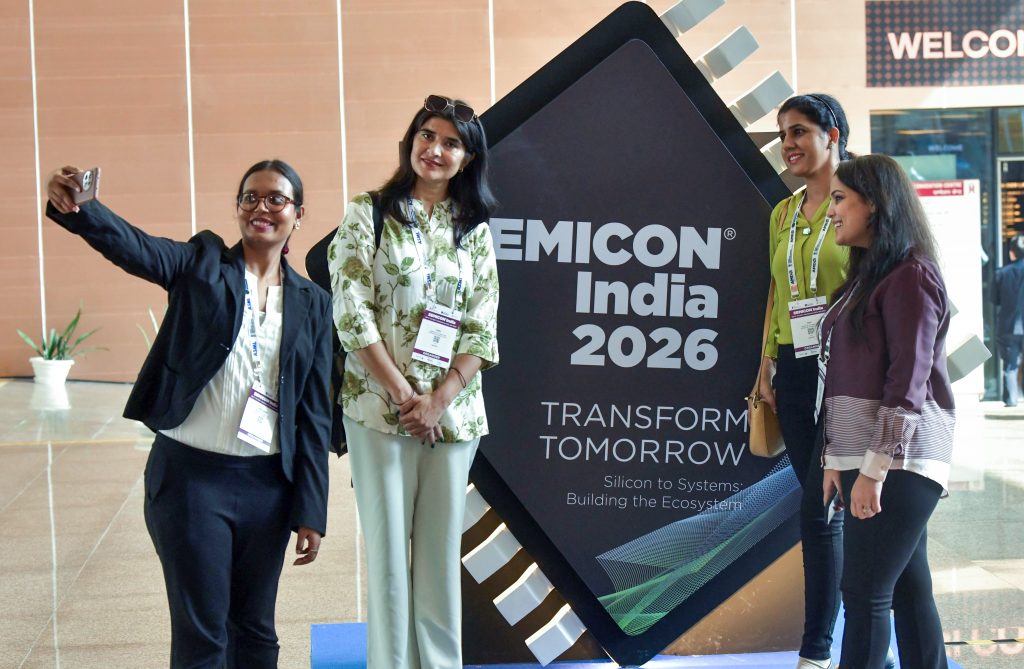
For years, India’s semiconductor ambitions were largely discussed in terms of strategic necessity. The country wanted to reduce its dependence on imported chips, attract global manufacturers and establish itself as a serious player in one of the world’s most critical industries. At SEMICON India 2026, that ambition appeared to be entering a more consequential phase: the building of an ecosystem rather than simply a collection of semiconductor plants.
The numbers are significant. Around Rs 1 lakh crore, or approximately $12 billion, in investment commitments have been received for the next phase of the semiconductor programme, with more than one lakh jobs expected to be created. But the larger economic significance lies beyond these headline figures.
The government’s Semicon 2.0 programme is designed to develop six areas — chip design, machines and materials, fabrication, advanced packaging, applied research and development, and talent. This suggests a shift from viewing semiconductors as a single manufacturing activity to treating them as an industrial ecosystem.
That distinction matters.
A semiconductor factory cannot operate in isolation. It requires specialised chemicals and gases, sophisticated equipment, precision engineering, packaging facilities, design capabilities and a highly trained workforce. Developing these supporting industries can create a much wider economic multiplier than a fabrication plant alone.
The early signs are already visible. Tata Electronics has signed agreements covering wafer manufacturing, assembly and testing, advanced packaging, materials and supply-chain localisation. A 363-acre vendor park is planned in Dholera, Gujarat, around its semiconductor fabrication facility. Fujifilm and JSR are working on critical materials and advanced chemicals, while other companies are developing packaging and assembly capabilities.
Such localisation could gradually change the character of Indian manufacturing.
For decades, India’s strength in technology has been particularly visible in software and services. Semiconductors offer an opportunity to connect that technological expertise with advanced manufacturing. The economic prize is not merely producing chips domestically but creating Indian capabilities across the chain — from design and equipment to materials, packaging and finished products.
The emergence of commercial production is therefore particularly important. L&T Semiconductor Technologies says around 40 of its products have entered production, including power modules for air-conditioners, two-wheelers, robotics and energy applications. Its portfolio also includes communication modules and products for automobiles.
The arrival of global equipment companies adds another dimension. Lam Research plans to invest approximately Rs 10,000 crore in India over the next several years in a silicon component manufacturing facility and advanced R&D. The company has also been working with the India Semiconductor Mission and IISc on training 60,000 engineers in semiconductor manufacturing.
This is where the semiconductor push could have an important employment effect. The sector itself is highly specialised and does not employ people on the scale of traditional labour-intensive industries. Its broader impact, however, can extend through suppliers, precision manufacturing, logistics, construction, research institutions and electronics production.
The government’s plan to train one lakh technicians over five years, alongside semiconductor education in around 400 universities and institutions, reflects this requirement. India cannot build a semiconductor industry simply by providing capital subsidies. It needs people who can operate, maintain and develop an exceptionally complex manufacturing ecosystem.
Research is equally important. Semicon 2.0 proposes greater cooperation between industry and academia, with companies identifying applied R&D projects and sharing funding with the government. If sustained, this could help narrow the gap between India’s considerable engineering talent and the commercial technologies required by the global semiconductor industry.
Industry executives have already identified areas requiring improvement. Fujifilm India, for instance, has pointed to customs clearance and smaller regulatory registrations as issues where government support remains necessary.
This is an important reminder that India’s semiconductor strategy will ultimately be judged not by the number of announcements but by execution.
The economic opportunity is nevertheless substantial. A successful semiconductor ecosystem could strengthen electronics manufacturing, attract global companies, encourage domestic technology firms, create high-skilled employment and make India a more important node in increasingly diversified global supply chains.
Semicon 1.0 laid the foundation. Semicon 2.0 is an attempt to build the ecosystem around it. If India can turn investment commitments into production, production into innovation, and innovation into globally competitive companies, semiconductors could become an important bridge between its traditional strengths in engineering and its ambitions as a manufacturing and technology power.