








Our Bureau
New Delhi
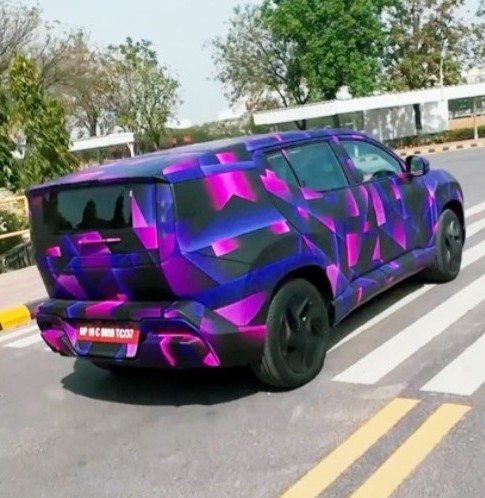
Honda Cars India is set to enter the country’s fast-growing electric vehicle (EV) market with its first all-electric SUV next year, marking a major milestone in the company’s long-term electrification strategy. The upcoming model, expected to be based on Honda’s global 0 Series platform, will compete in India’s increasingly crowded mid-size electric SUV segment as automakers race to strengthen their EV portfolios.
The electric SUV is expected to feature a futuristic design inspired by the Honda 0 SUV concept showcased globally. It will likely offer a sleek coupe-like profile, connected LED lighting, advanced driver assistance systems (ADAS), a large touchscreen infotainment system, and over-the-air software updates. While Honda has not officially disclosed technical specifications, industry reports suggest the SUV could deliver a driving range exceeding 450 km on a single charge, making it competitive with rivals in the premium EV segment.
Honda’s EV launch comes at a time when India’s electric passenger vehicle market is witnessing rapid expansion, with manufacturers such as Tata Motors, Mahindra, MG Motor and Hyundai introducing new battery-powered SUVs. The Japanese automaker has also reaffirmed its commitment to introducing multiple hybrid and electric models in India as part of its broader product roadmap through the decade.
The announcement coincides with heightened activity in the Indian automobile industry, where several major vehicle launches are scheduled over the coming days across different segments, reflecting growing consumer demand for technologically advanced and environmentally friendly mobility solutions. Honda’s entry into the EV space is expected to intensify competition and provide buyers with another premium electric SUV option.
Industry analysts believe Honda’s reputation for reliability, combined with its global expertise in electrification, could help the company establish a strong foothold in India’s evolving EV market, where government incentives and expanding charging infrastructure continue to boost consumer interest in electric mobility.