








Our Bureau
New Delhi
In a significant move aimed at aligning military traditions with India’s national identity, the Indian Army has introduced sweeping changes to its dress regulations, eliminating several colonial-era symbols and practices from its newly issued Army Uniforms–2026 manual. The reforms include removing the mandatory ceremonial sword for Reviewing Officers, discontinuing the use of the term “Royal” in official references, and introducing indigenous attire such as the bandi jacket.
The 174-page manual, the first comprehensive update to Army dress regulations in eight years, reflects what officials describe as a deliberate effort to shed remnants of British colonial influence while preserving the institution’s core traditions and professionalism. Adjutant General Lt Gen V.P.S. Kaushik said the changes align the Army’s dress code with “contemporary Indian ethos” and the nation’s evolving sovereign identity.
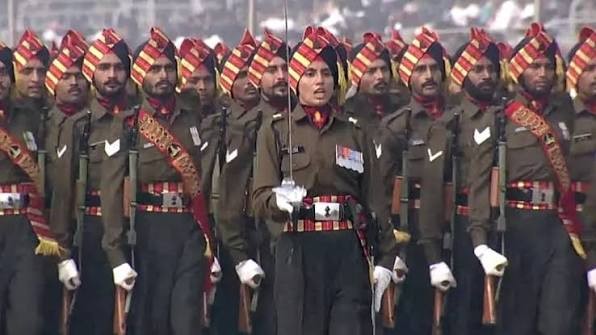
Among the most notable changes is the decision that Reviewing Officers will no longer carry swords during ceremonial parades. Swords will now be limited to parade commanders, contingent leaders and designated personnel during major ceremonial events. The manual also removes archaic terminology such as “Royal” from official usage and phases out ceremonial accessories like pouch belts in several formal dress categories.
The updated regulations introduce the closed-neck bandi jacket as an authorised formal outfit for officers, alongside existing options such as the bandhgala and lounge suit. A new winter working dress featuring a battle jacket has also been approved for all ranks and will be implemented in phases.
The reforms are part of a broader indigenisation drive across the armed forces, encouraged by the government’s push to replace colonial customs with practices rooted in Indian history and culture. Officials say the changes aim to modernise the Army while strengthening its distinct national character.