

New Delhi combines diplomacy, policy support and industry action to contain fallout from West Asia conflict
Our Bureau
New Delhi / Doha
India is mounting a coordinated response across government and industry to mitigate the economic impact of the ongoing West Asia conflict involving Iran, as disruptions to energy supplies, trade routes and export markets ripple through the economy. A mix of diplomatic outreach, fiscal support and rapid business adaptation is being deployed to cushion the shock, even as policymakers warn of “unprecedented volatility” in the global environment.
Former RBI Governor Shaktikanta Das has urged businesses to prepare for sustained uncertainty, calling for a shift toward resilience and long-term readiness. “At moments like this, it would be prudent for Indian industry to build organisational resilience, strengthen balance sheets, build new supply chains, protect jobs, re-skill manpower, diversify into new markets, especially for exporters, and invest strategically for future readiness,” Das said. His remarks mirror a broader strategy now visible across sectors — insulating domestic growth while adapting to prolonged geopolitical instability.
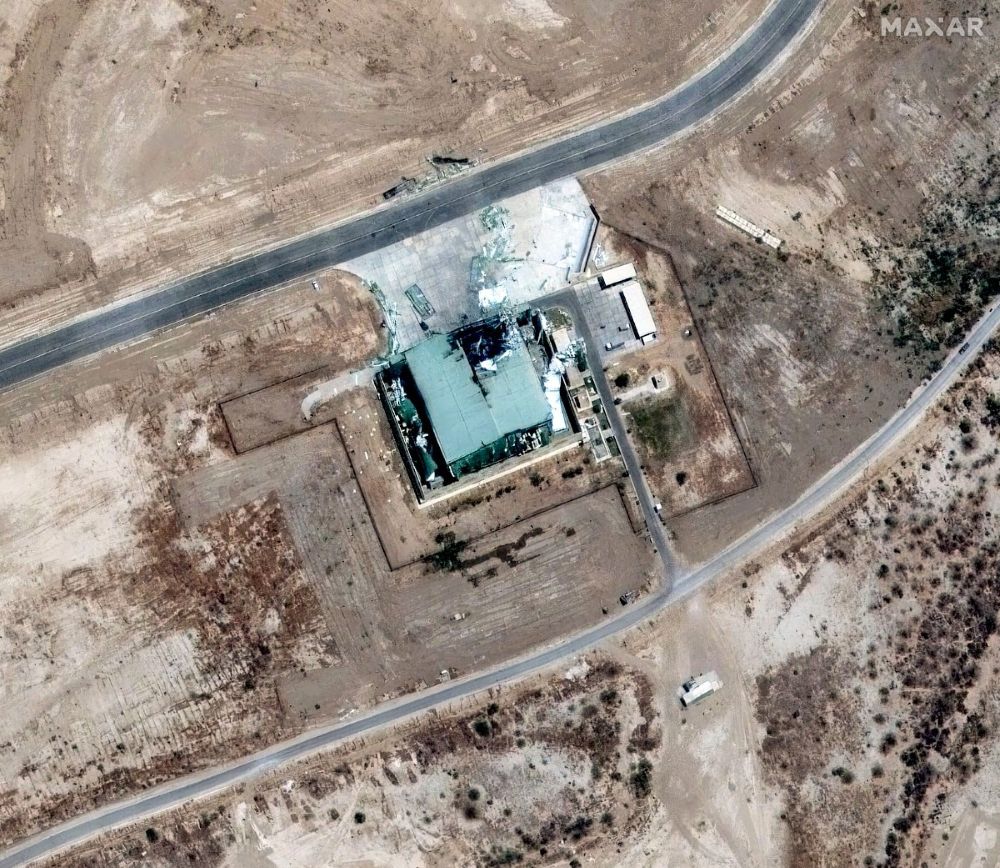
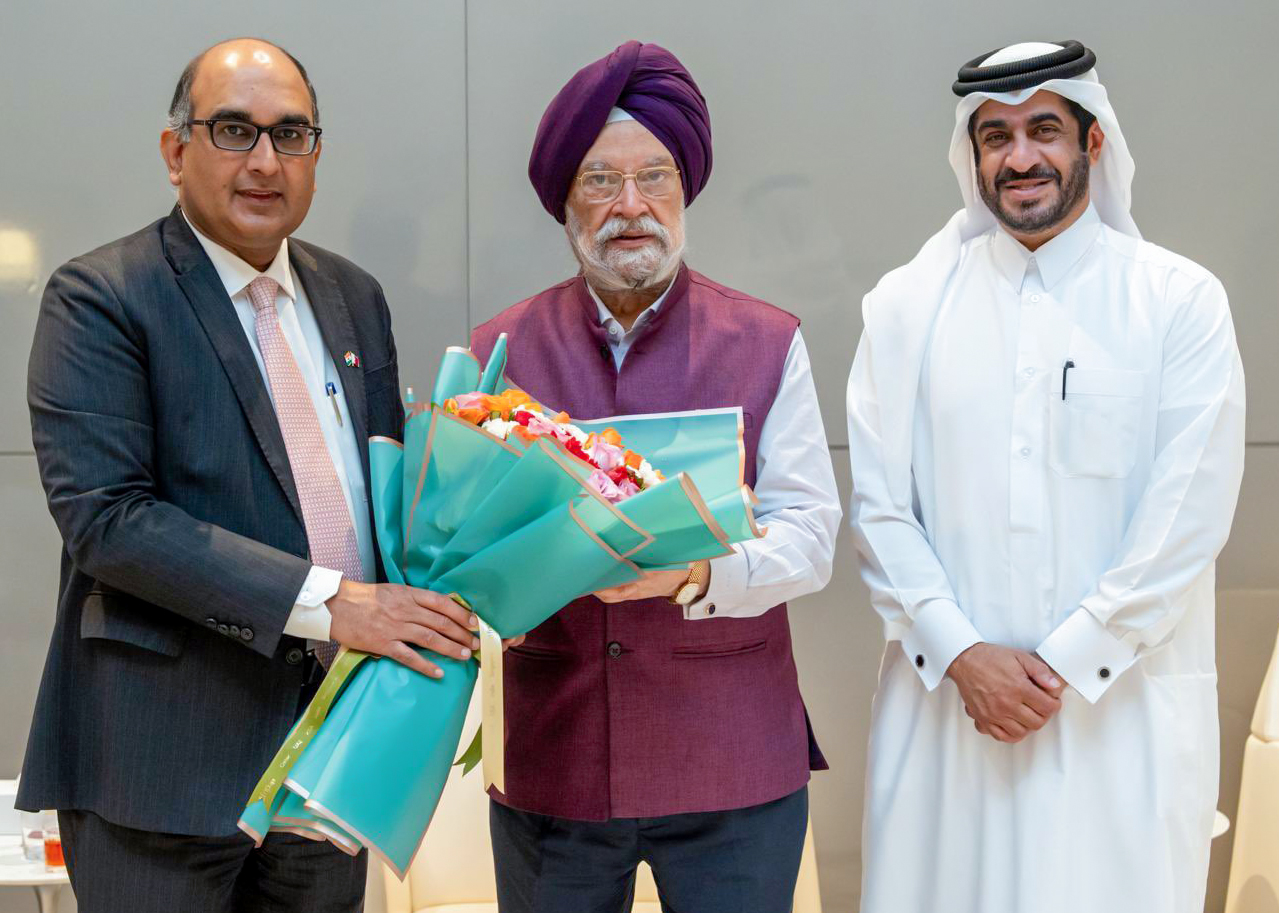
Energy security remains the most immediate concern. Petroleum Minister Hardeep Singh Puri travelled to Doha this week as supply disruptions intensified following attacks on critical infrastructure. QatarEnergy halted liquefied natural gas production after strikes hit its facilities, raising concerns across global markets. India, which imports a significant share of its natural gas from Qatar, faces direct exposure to such disruptions. Officials indicated the visit would focus on strengthening energy cooperation and reviewing supply stability, underlining New Delhi’s reliance on diplomatic channels to secure long-term arrangements. Industry body FICCI said “ensuring stable energy supplies remains a top priority,” recommending continued engagement and contingency planning at both central and state levels.
Alongside diplomacy, the government has rolled out a series of measures to buffer businesses from immediate shocks. These include the formation of empowered groups, reduction in fuel excise duties, introduction of the RELIEF scheme, restoration of RoDTEP benefits and duty rationalisation for special economic zones. FICCI noted that “early signs of stress are visible across sectors,” calling for a coordinated approach between industry and government to address both short-term disruptions and structural vulnerabilities. Companies are being advised to adopt scenario-based planning, including developing a “Middle East Crisis” version of budgets, securing additional funding lines and hedging currency risks. At the operational level, firms are adjusting production schedules, consolidating shipments and coordinating with global shipping lines, while some have established cross-functional “war rooms” to manage supply shortages in real time.
A key element of the mitigation strategy is diversification. FICCI has urged companies to reduce dependence on specific geographies by expanding supplier networks and strengthening domestic sourcing capabilities. Businesses are also being encouraged to explore multi-fuel options, including biofuels and electrification, while increasing reliance on alternatives such as solar power, piped natural gas and coke oven gas. The report highlighted the need to accelerate the energy transition through investments in renewable energy, green hydrogen and efficiency technologies, noting that flexibility in the energy mix would be critical to reducing exposure to external shocks.
India’s export sector, particularly those tied to West Asian markets, has also been forced to adapt quickly. The basmati rice industry initially faced severe disruptions, with shipments stuck at ports and logistics costs surging sharply. “Many exporters had their cargo stuck at the load port. Many were stuck in transit. And many were stuck at the destination ports,” said Dev Garg of the Indian Rice Exporters Federation.
Government support has played a crucial role in stabilising exports. Garg said expanded insurance coverage and financial safeguards helped maintain competitiveness. “The government came out with a scheme that in the existing policy 100 per cent coverage will be made… this is an unprecedented move,” he said, adding that exporters were also covered up to ₹50 lakh for losses even without insurance premiums. These interventions enabled India to retain market share against competitors despite volatile conditions.
Despite the external shock, policymakers point to strong macroeconomic fundamentals as a buffer. Das highlighted stable growth, controlled inflation and robust foreign exchange reserves as key strengths, noting that India recorded average annual GDP growth of 7.8 per cent between 2021-22 and 2025-26. “Inflation control is important as it boosts investor confidence and protects the poor… low inflation increases the real spending power of consumers,” he said. He also cited infrastructure investment, policy stability and strong domestic demand — accounting for over 55 per cent of GDP — as critical supports.
Even as risks persist, industry leaders see the crisis as an opportunity to accelerate reforms and reduce external vulnerabilities. FICCI said the situation could drive structural shifts, including diversification of energy sources, expansion of strategic reserves and development of resilient trade infrastructure. A coordinated approach, it said, is essential “to navigate the current challenges while further strengthening the foundation for a more resilient and self-reliant India.”