

As global shocks disrupt supplies, India’s energy crisis has triggered a sharp political contest over management, accountability and narrative control
Our Bureau
Hyderabad/New Delhi/Mumbai
India’s unfolding energy crisis—sparked by escalating tensions in West Asia and disruptions in global supply chains—has rapidly evolved into a political flashpoint, with the government emphasizing stability and control while the opposition seeks to corner it on prices, policy and preparedness. At the heart of this contest lies a dual reality: a government attempting to manage a volatile external shock, and an opposition framing the crisis as a failure of governance.
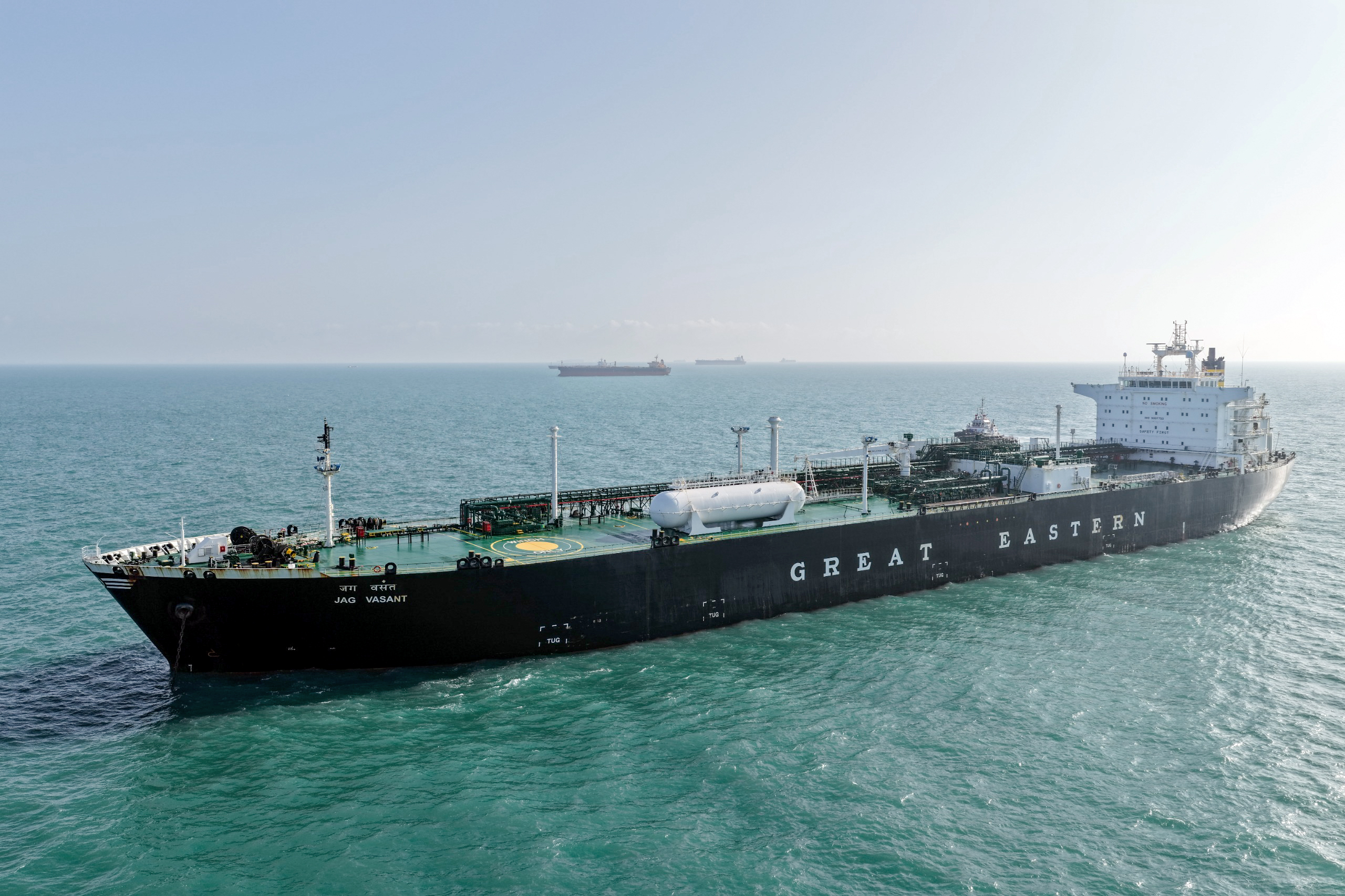
The crisis itself is rooted in geopolitical developments. The blockade of the Strait of Hormuz—a route that handles nearly one-fifth of the world’s crude oil supply—has sent shockwaves across energy markets. For India, which sources around 12–15 per cent of its oil imports through this corridor, the implications are immediate and severe. Brent crude prices have surged sharply from around $65 per barrel to above $100, dramatically increasing the cost of fuel production.
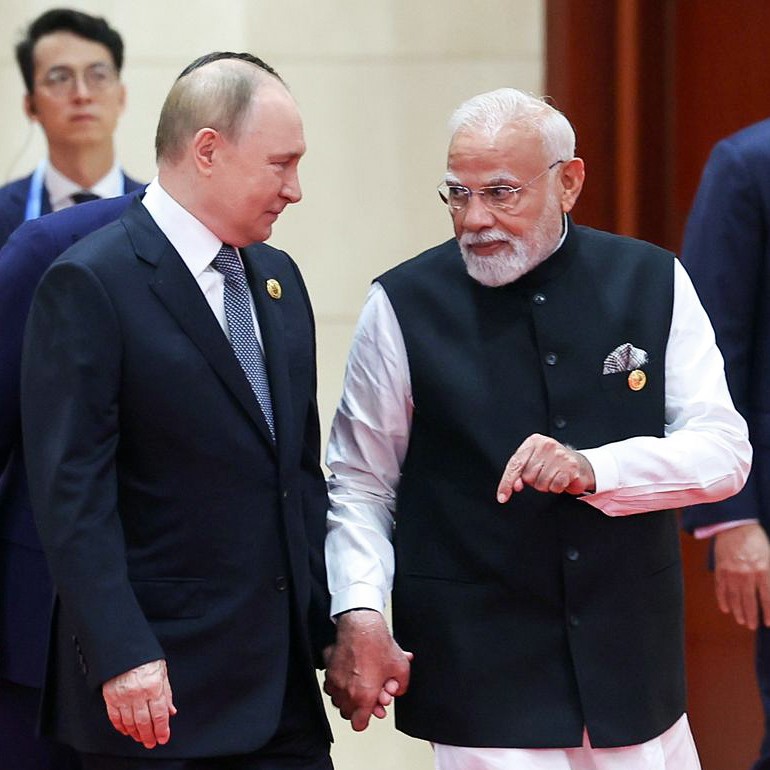
Against this backdrop, the government has sought to project control and continuity. External Affairs Ministry spokesperson Randhir Jaiswal underscored India’s diplomatic engagement, stating that the country is “in touch with Iran and other countries there to see how best we can get unimpeded transit and safe transit for our ships.” He added that “six Indian ships… have been able to safely cross the Strait of Hormuz,” signaling active efforts to secure supply routes.
Jaiswal reiterated India’s broader stance, saying the country “stands for free and open commercial shipping and for maritime security in keeping with international law,” while calling for “ensuring safe and free navigation through the Strait of Hormuz as a matter of priority.” These statements reflect a strategy centered on diplomatic engagement and international coordination to stabilize energy flows.
Parallel to diplomatic efforts, the government has emphasized domestic stability in supply. According to Sujata Sharma, Joint Secretary in the Ministry of Petroleum and Natural Gas, “our retail outlets are operating normally,” and “crude supplies have been secured for the next sixty days and inventories are sufficient.” She further noted that “refineries in the country are operating at maximum capacity,” with “no shortage of sulfur.”
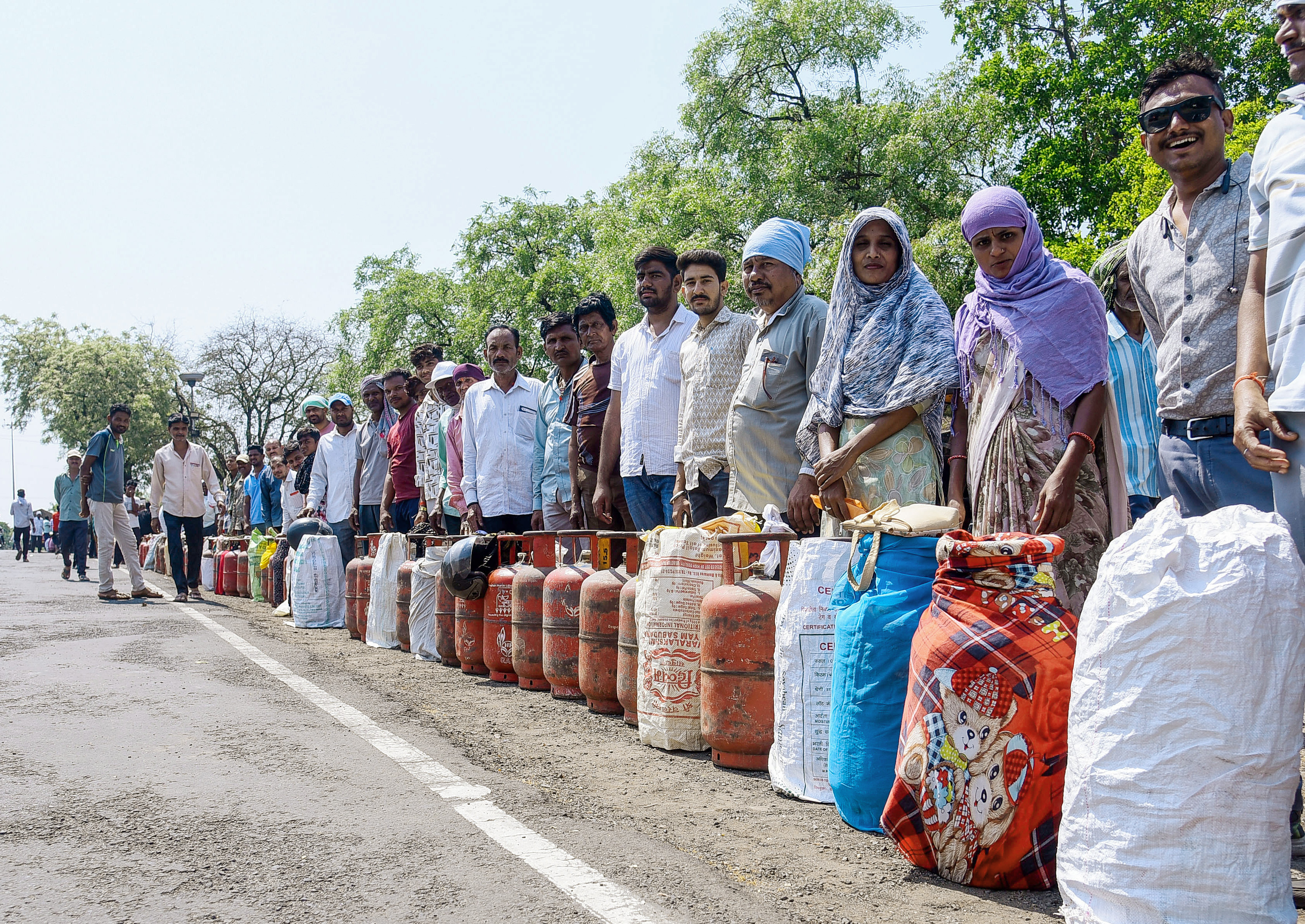
On the natural gas front, the assurance is equally firm. “The supply of natural gas to domestic consumers is 100 per cent assured,” Sharma said, adding that the government is pushing expansion of Piped Natural Gas infrastructure to “reduce dependence on LPG and ease supply pressures.” Policy measures such as providing an additional 10 per cent commercial LPG if states promote PNG indicate attempts to structurally ease pressure on fuel systems.
However, beneath this narrative of stability lies a mounting financial strain. Oil marketing companies are incurring significant losses as retail fuel prices remain unchanged despite rising global costs. Sharma revealed that there is an “under-recovery of about Rs 24 per liter on petrol and Rs 104 per liter on diesel,” with both the government and OMCs absorbing the burden. The government has also “reduced excise duty to keep prices stable,” highlighting the balancing act between shielding consumers and sustaining the energy sector.
Union Minister Nitin Gadkari reinforced the government’s position, asserting that “there is no shortage of gas or fuel in the country.” While acknowledging that “there are difficulties” due to India importing “86 per cent of energy,” he argued that “due to the policies adopted by the govt, people are not facing any problems.”
Gadkari also pointed to long-term solutions rooted in self-reliance and energy transition. “We have brought electric cars, electric scooters and electric buses. We are working on Hydrogen. There are ethanol vehicles,” he said, adding that “to achieve the goal of a self-reliant India, we need to reduce imports and increase exports.” He highlighted that India spends “Rs 22 lakh crores on importing fossil fuels,” underscoring the urgency of shifting to alternative sources such as solar power and bioethanol.
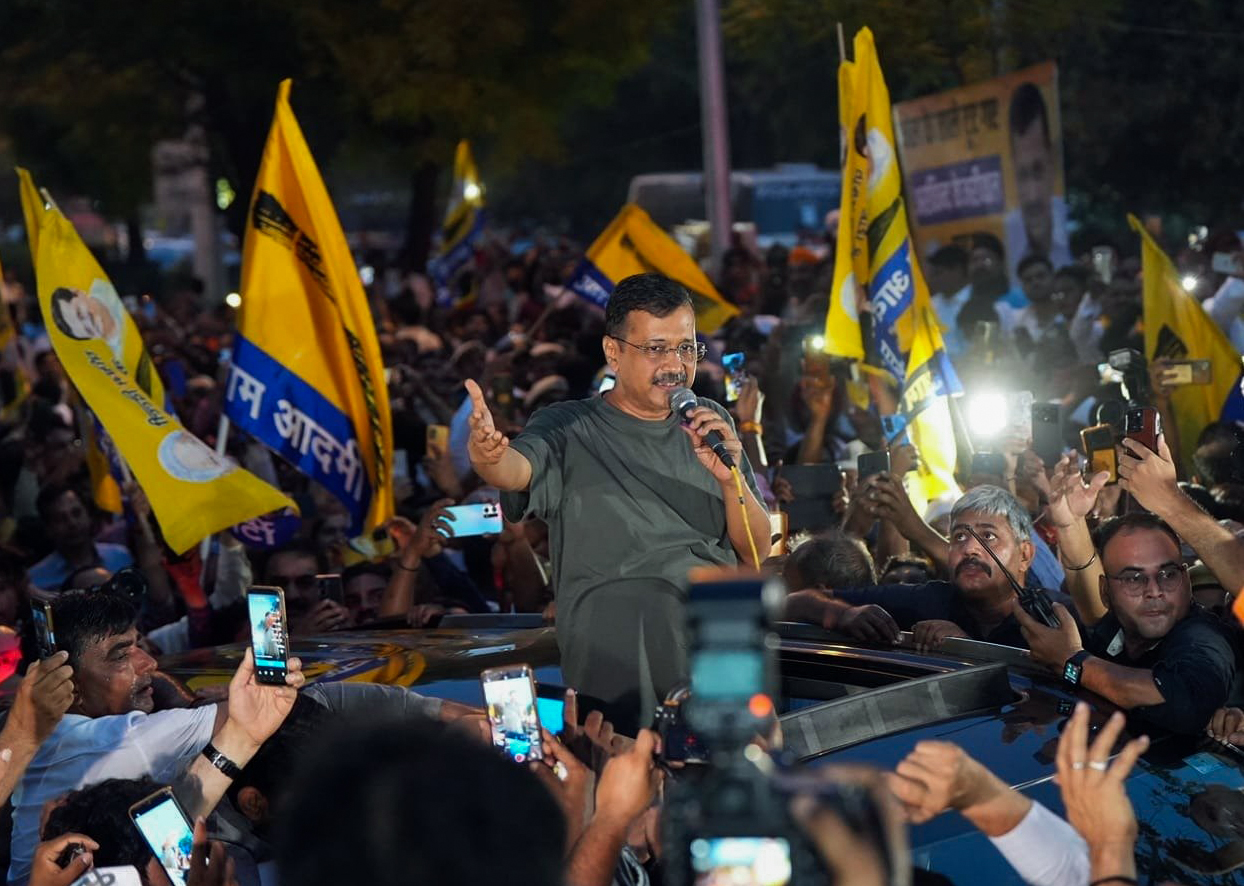
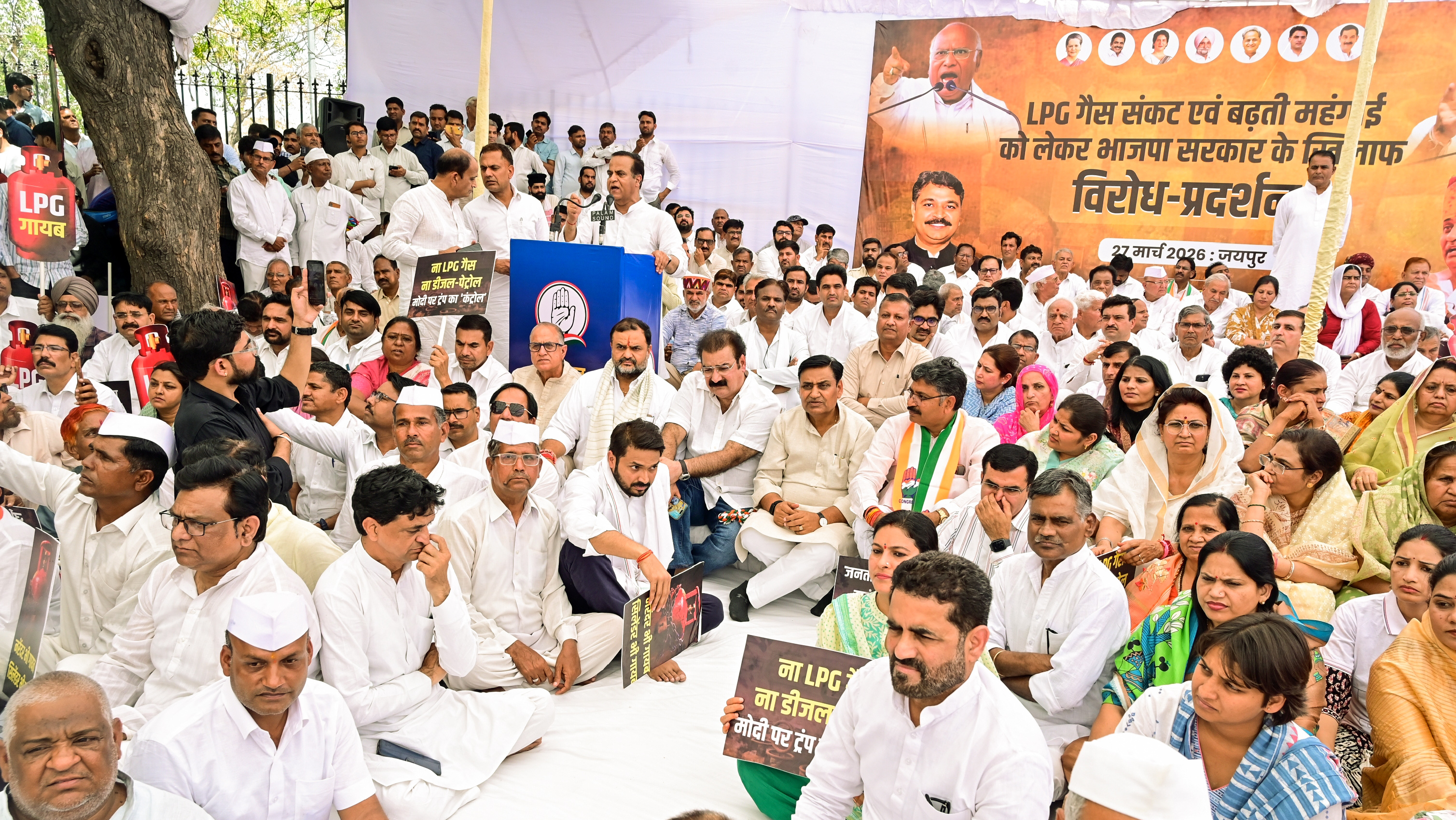
Yet, even as the government projects control, the opposition has seized on rising prices and structural vulnerabilities to mount a sustained attack. Congress leader Randeep Singh Surjewala criticized the increase in commercial LPG prices, calling it a “huge burden” on small businesses. “They have increased the price of a Rs 200 commercial gas cylinder… this is the third hike in 60 days,” he said, adding that “for the first time in 78 years, a 19-kilo commercial gas cylinder has crossed Rs 2000.”
Surjewala contrasted current prices with those under previous Congress governments, stating, “In the Congress government, we left gas at Rs 400,” while alleging repeated hikes under the current regime. His remarks reflect a broader opposition strategy of linking global price shocks to domestic policy decisions, thereby shifting the focus from external causes to internal accountability.
The opposition’s critique extends beyond pricing to foreign policy and crisis management. Congress leader Rahul Gandhi accused Prime Minister Narendra Modi of mishandling the situation, alleging that India has been sidelined internationally. “Our foreign policy is Prime Minister Modi’s personal foreign policy… it’s a universal joke,” he said, describing the Prime Minister as “compromised.”
These sharp political attacks contrast with a more nuanced position articulated by senior Congress leader Anand Sharma, who acknowledged the government’s diplomatic handling. He described it as “mature and skillful avoiding potential minefields,” and called for “national unity” and “a national consensus and resolve” in dealing with the crisis.
At the same time, Sharma warned of the broader implications of the conflict, stating that “the war has aggravated the energy, economic and global security challenges.” He pointed to “global supply chain disruption, tremors in world markets and sharp depreciation of the rupee” as immediate and long-term challenges, urging that “the enormity of the crisis must be fully registered.”
This divergence within the opposition itself highlights the complexity of the political moment. While one strand seeks to criticize the government aggressively on pricing and policy, another emphasizes the need for consensus in the face of a global crisis.
Meanwhile, the human and logistical dimensions of the crisis add further layers to the government’s response. Jaiswal noted that “approximately 10 million Indian citizens reside in the GCC countries,” all of whom are safe, though “eight Indian citizens have been casualties… and one remains reported as missing.” India has also facilitated the evacuation of “204” nationals from Iran via Azerbaijan, reflecting the operational challenges posed by the conflict.
These efforts underscore that the crisis is not limited to fuel prices or supply chains but extends to the safety of citizens and the stability of critical maritime routes. India’s participation in international discussions, including talks hosted by the UK on the Strait of Hormuz, further highlights the global dimension of the challenge.
Ultimately, the energy crisis has become a prism through which broader political narratives are being constructed. For the government, it is a story of resilience—of securing supplies, stabilizing prices and pursuing long-term self-reliance. For the opposition, it is a story of vulnerability—of rising costs, policy gaps and questionable leadership.
As the crisis unfolds, these competing narratives are likely to intensify. With global energy markets remaining volatile and geopolitical tensions unresolved, the political battle over the crisis may prove as consequential as the crisis itself.