

Our Bureau
New Delhi
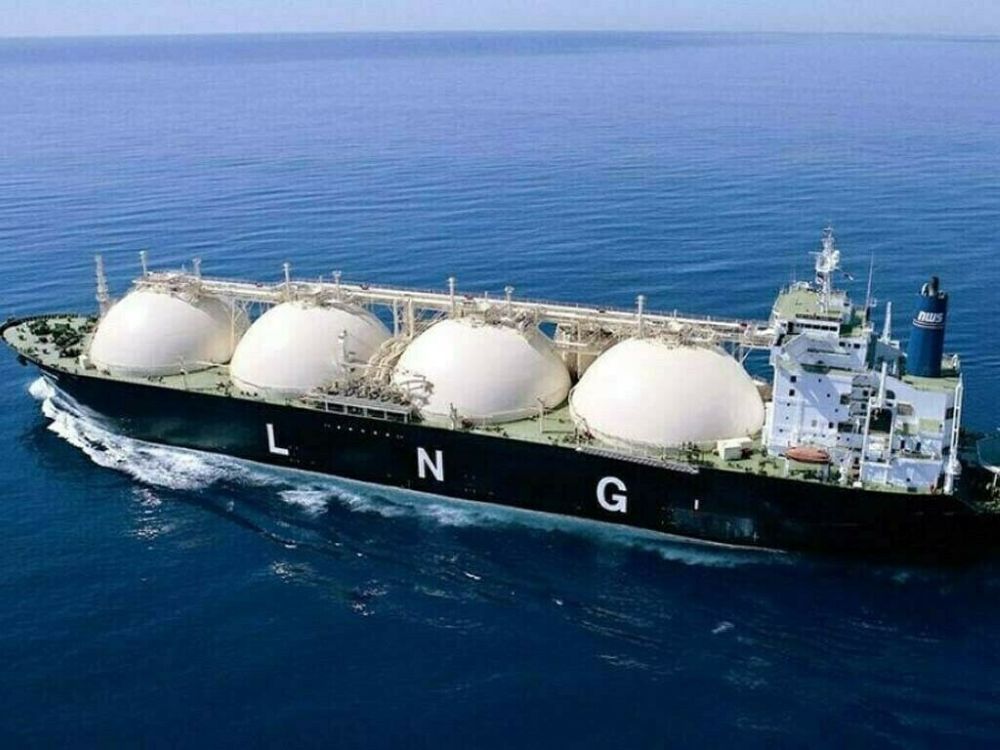
QatarEnergy’s abrupt halt of liquefied natural gas (LNG) production has triggered alarms in India, one of the world’s largest LNG importer, raising fears of widespread supply disruptions and skyrocketing prices.
The state-run Qatari firm declared force majeure on Tuesday after military strikes targeted its key facilities, suspending output of LNG and related products. This decision compounds the crisis as Iran blockades the Strait of Hormuz, a vital artery for global energy shipments, choking off tanker movements in the Persian Gulf. India’s top importer, Petronet LNG, has invoked force majeure on affected cargoes, slashing supplies by up to 40% to industrial users and city gas distributors (CGD). Companies like GAIL and Indian Oil Corporation (IOC) have already curtailed deliveries by 10-30%, prioritizing power plants and essential sectors.
Experts warn of a ripple effect across industries. “Gas is critical for factories; they must use it judiciously now,” said a prominent economist who led a 2022 government panel on natural gas pricing. While domestic gas covers half of demand, the rest relies on imports, and LNG shortages could force a costly pivot to coal for electricity or pricier hydrogen production via electric alternatives. City gas firms have urged authorities for supply guarantees, highlighting risks to urban piped networks.
Petroleum Minister Hardeep Singh Puri sought to reassure the nation, stating India holds ample crude oil and fuel stocks, including petrol, diesel, and aviation turbine fuel, for at least 25 days, with a 24×7 control room monitoring nationwide inventories. Still, analysts predict short-term pain for manufacturers, potential inflation spikes, and higher power tariffs as the West Asia conflict escalates.