

The deletion of nearly three crore names from Uttar Pradesh’s draft electoral roll has set off alarm bells across the political spectrum, sharpening anxieties about representation, mobilisation and trust in the run-up to the Assembly elections.
Our Bureau
Lucknow / New Delhi
The publication of Uttar Pradesh’s draft electoral roll has triggered an unusually intense political churn, with the sheer scale of deletions—2.89 crore voters, nearly 18.7 per cent of the electorate—sending ripples through both the ruling Bharatiya Janata Party (BJP) and the opposition. While the Election Commission (EC) has defended the Special Intensive Revision (SIR) as a routine, evidence-based exercise, the political consequences have been anything but routine in India’s most populous state.
According to the EC, the draft roll now contains 12.55 crore voters, down sharply from over 15.4 crore earlier. Officials attribute the deletions primarily to voters marked as deceased, migrated, untraceable, absent during verification, or enrolled in multiple locations. Yet the numbers—46.23 lakh deceased voters, 2.17 crore migrants or untraceable electors, and over 25 lakh duplicate registrations—have raised eyebrows, particularly given the proximity of the exercise to the 2027 Assembly elections.
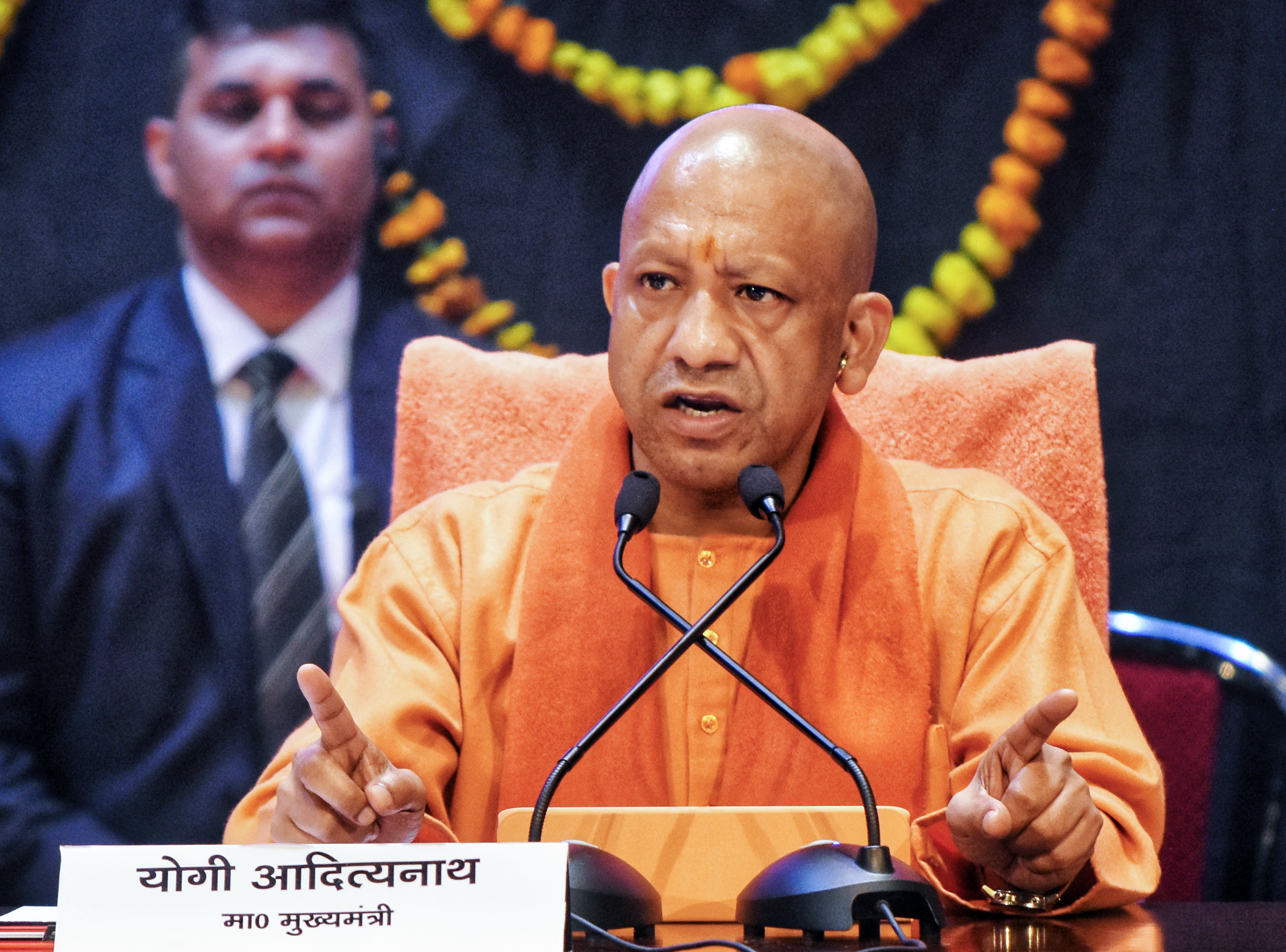
For the BJP, the deletions have prompted quiet concern rather than public celebration. Hours after the draft roll was released, Chief Minister Yogi Adityanath and state BJP president Pankaj Chaudhary convened a virtual meeting with ministers, MPs, MLAs, party office-bearers and district presidents. The message was clear: the party cannot afford to lose genuine supporters to administrative gaps. A concrete target was set—ensure at least 200 voters are added at every polling booth before the rolls are finalized.
With 1.77 lakh polling booths across the state after rationalization, the arithmetic is striking. The party estimates that around 15.5 crore voters should be eligible in Uttar Pradesh, and wants its cadre to help enroll over 3.5 crore voters during the claims and objections period. These include first-time voters, those deleted due to documentation errors, migrants, and voters marked untraceable during the SIR.
Senior BJP leaders say the strategy involves intensive outreach, particularly to migrant workers from Uttar Pradesh who are currently registered as voters in other states. The logic, party insiders admit candidly, is political as much as procedural. With no Assembly elections in states like Delhi in the near future, UP-origin voters working elsewhere are being encouraged to shift their enrolment back home, strengthening the BJP’s voter base where it matters most.
Another focus area is voters registered in multiple constituencies—often with a rural address in UP and an urban address in the city where they work. Party workers have been asked to persuade such voters to retain registration where they can “conveniently” vote on polling day, an acknowledgment of the reality that long-distance travel often depresses turnout.
The opposition, however, sees something more troubling in these moves. Samajwadi Party (SP) chief Akhilesh Yadav has accused the BJP of attempting to “manufacture” votes under the guise of voter enrolment. He has alleged that pressure is being exerted on administrative officials to inflate voter numbers after the deletions rattled the ruling party.
Speaking in Lucknow, Yadav urged voters to verify their names at the booth level and warned against what he called a “false narrative” being pushed by the BJP. He went further, threatening legal action if fake voters are added, and announced that SP workers—dubbed “PDA Prahari”—would file FIRs against any attempt at manipulation. For the SP, the voter rolls issue fits neatly into its broader campaign of portraying the BJP as misusing state machinery to tilt the electoral playing field.
Election officials, for their part, insist the process is transparent and time-bound. The claims and objections window, running from January 6 to February 6, allows any eligible voter to seek inclusion or raise objections to deletions. Over 400 Electoral Registration Officers and more than 2,000 Assistant EROs have been deployed to scrutinize applications, with additional officers notified to ensure the final roll is published by March 6.
The EC also points to strong participation in the enumeration phase, with over 12.55 crore signed forms submitted, as evidence that the exercise has been comprehensive rather than exclusionary. Still, the political optics of such large-scale deletions remain sensitive, especially in a state where elections are often decided by razor-thin margins across caste, community and regional lines.
Beyond the immediate controversy, the episode underscores a deeper tension in Indian democracy: the balance between electoral hygiene and political trust. While cleaning up voter rolls is essential to prevent fraud and duplication, mass deletions—however justified administratively—risk fueling suspicion and mobilisation battles among parties.
As Uttar Pradesh moves toward the finalization of its electoral rolls, the fight is no longer just about names on a list. It is about narrative control, organizational strength and the ability to convert administrative processes into political advantage. In a state that often sets the tone for national politics, even the voter list has become a contested battlefield.