

In 2025, Ghazala Hashmi reshaped Virginia’s political landscape, becoming a historic statewide leader and a powerful new role model for South Asian and Muslim Americans across the United States.
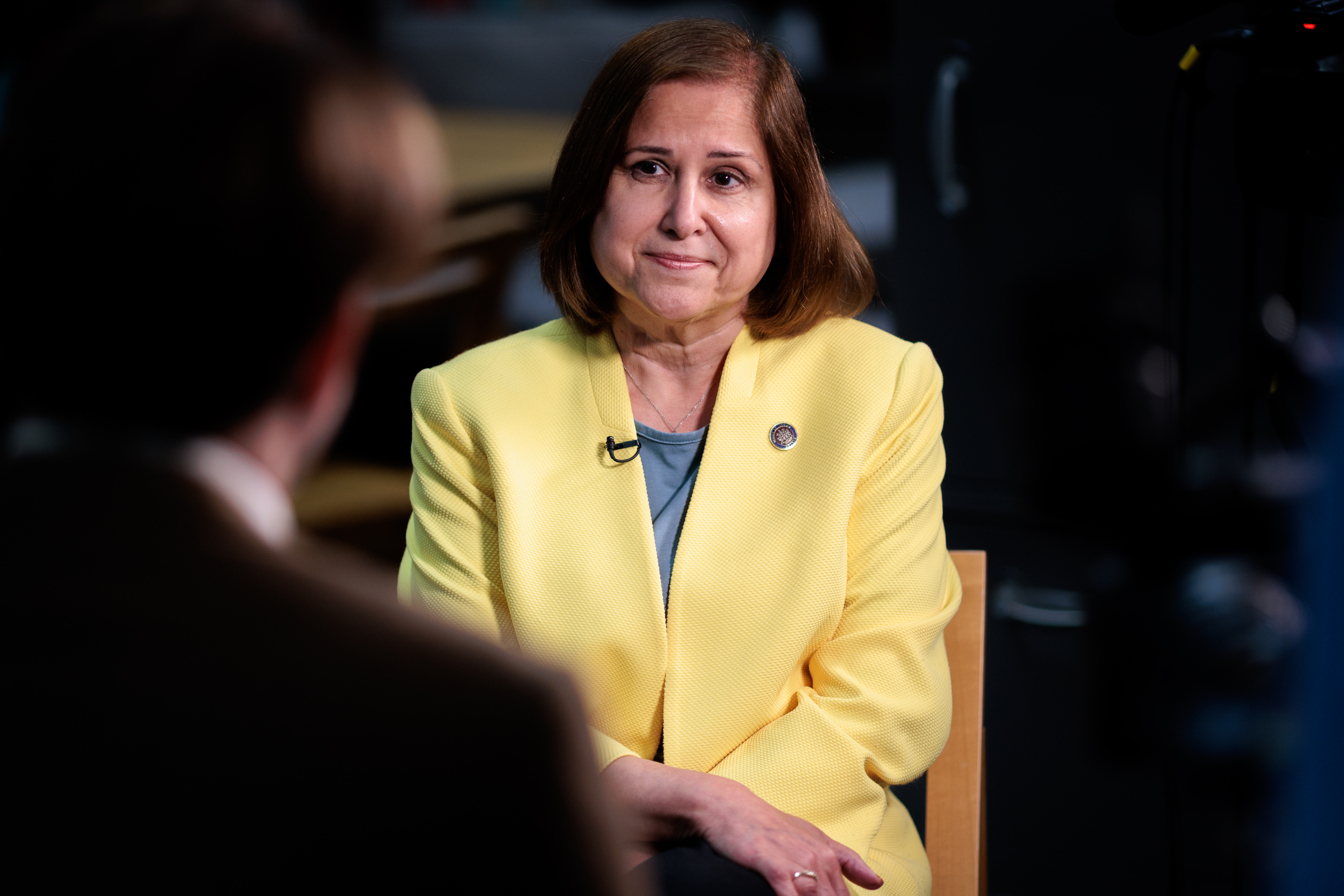
When Virginia’s election results were declared on November 4, 2025, they marked more than a partisan outcome—they marked a turning point in American political representation. Ghazala Hashmi, a state senator known for her steady legislative work and community-centered politics, was elected Lieutenant Governor of Virginia with approximately 55.4 percent of the vote, defeating Republican John Reid. With that victory, she became the first Muslim and the first South Asian American to win a statewide office in the Commonwealth, and the first Muslim woman in U.S. history to be elected to any statewide executive post.
Her win formed part of a broader Democratic sweep that included the election of Abigail Spanberger as governor, but Hashmi’s success stood out nationally for its symbolic and substantive impact. In a country where statewide executive offices remain overwhelmingly dominated by white, Christian officeholders, her ascent represented a profound expansion of who is seen as eligible to wield power.
Hashmi’s 2025 journey was far from easy. Earlier in June, she navigated a crowded and competitive six-way Democratic primary, securing victory with 27.4 percent of the vote. The field included high-profile contenders such as former Richmond mayor Levar Stoney, making her win a testament to grassroots organization, coalition-building, and credibility earned through legislative work rather than celebrity politics.
By the time she entered the general election, Hashmi had already built a reputation as a serious policymaker. During the 2025 General Assembly session—her final year as a Virginia state senator before ascending statewide—she continued to advance a legislative agenda centered on rights, access, and equity.
One of her most prominent initiatives was the Right to Contraception Act (SB1105), which sought to codify the right to obtain and use contraceptives in Virginia law. At a time when reproductive rights were under renewed national scrutiny, the bill positioned Hashmi as a clear and consistent advocate for bodily autonomy and healthcare access.
Education and healthcare remained central to her legislative portfolio. She sponsored and supported bills addressing student cell phone possession in schools, expanding the National Guard Tuition Assistance Program, and protecting Medicaid access for vulnerable populations. Her approach reflected a belief that public institutions must adapt to modern challenges while remaining inclusive and accessible.
Hashmi’s influence was amplified by her committee assignments. Serving on Finance and Appropriations, Education and Health, and Rules, she occupied spaces where budgetary priorities and legislative pathways are shaped. These roles allowed her to combine policy ideals with procedural authority—an uncommon balance that strengthened her statewide profile.
Her election to the lieutenant governorship now positions her at the institutional center of Virginia’s legislative process. When she assumes office in January 2026, Hashmi will preside over the Virginia State Senate and wield the critical power of a tie-breaking vote. In a closely divided chamber, that role will give her outsized influence over legislation ranging from climate policy to education funding.
Her victory also triggered a special election in Virginia’s deep-blue 15th Senate District, underscoring how her rise reshapes political opportunity structures for others. In that sense, Hashmi’s success creates not a vacuum, but momentum.
Beyond governance, her election has had a profound cultural impact. For Muslim Americans—often politically marginalized and frequently subjected to suspicion—Hashmi’s win challenges entrenched narratives. For South Asian Americans, her rise signals a maturation of political engagement beyond municipal councils and legislative districts into statewide executive authority.
Hashmi has been deliberate in defining the meaning of her leadership. In her victory speech, she emphasized “decency, dignity, and dedication” as guiding principles, committing herself to public education, climate action, and the protection of marginalized communities. The language was measured, but the implications were bold: leadership grounded in inclusion rather than division.
Her story also reframes the idea of role models within immigrant communities. Hashmi is not a celebrity politician or a disruptive firebrand. Her ascent has been methodical, rooted in teaching, legislating, and listening. That path resonates with a generation of young Americans who see public service not as spectacle, but as sustained responsibility.
In 2025, Ghazala Hashmi did more than win an election. She expanded the boundaries of representation in American democracy and demonstrated that statewide power can be both historic and humane. As she prepares to take office, her journey stands as a reminder that the architecture of leadership in the United States is still being built—and that new hands, voices, and identities are now shaping its future.