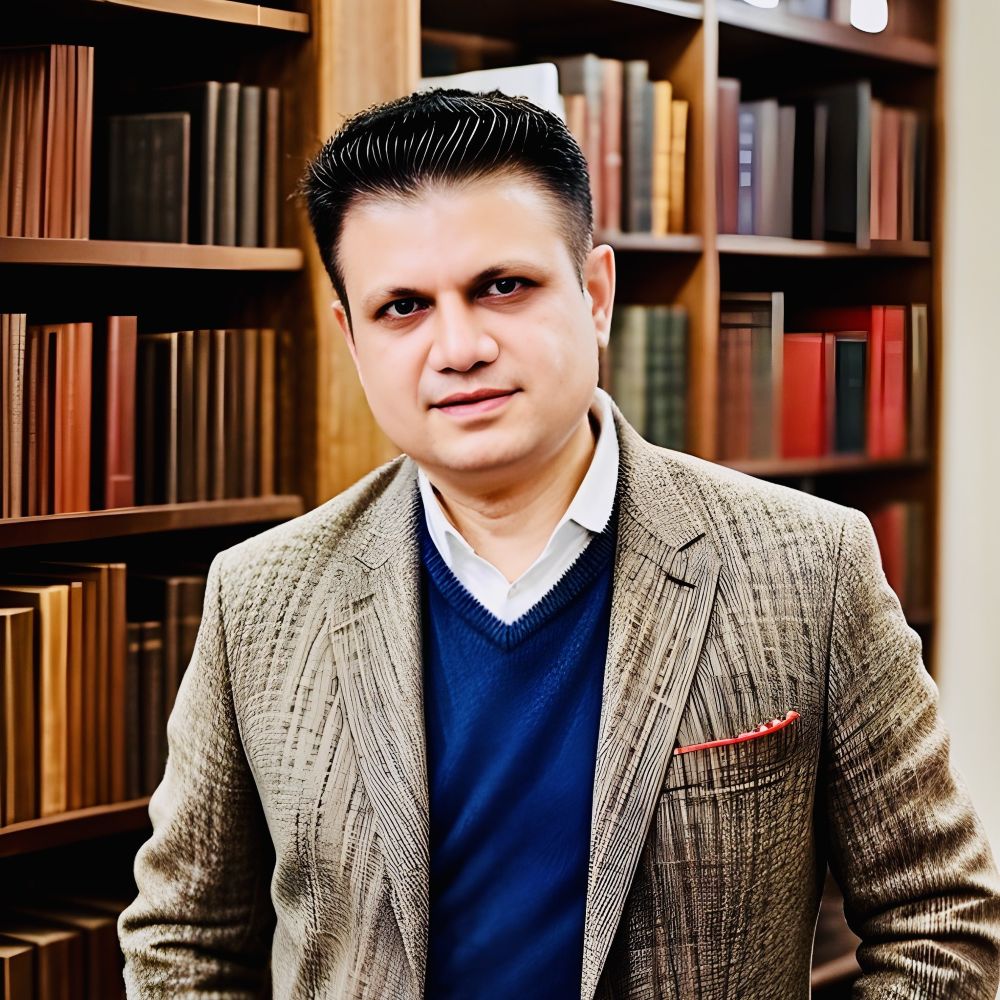


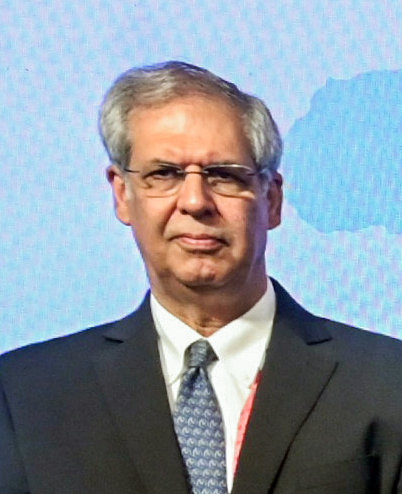
In 2025, Noel Tata stepped decisively into history, reshaping the Tata Group’s future with authority, restraint, and strategic clarity.
The year 2025 marked a turning point for Indian corporate leadership, and at its center stood Noel Tata. Following the passing of Ratan Tata in late 2024, the Tata Group—India’s most respected and complex business institution—entered a moment of transition laden with uncertainty. It was Noel Tata who emerged as the defining steward of that transition, consolidating authority, restoring clarity, and quietly asserting control over the future of a $165-plus billion conglomerate.
Unlike his celebrated predecessor, Noel Tata’s rise was neither dramatic nor public-facing. It was methodical, deeply institutional, and rooted in governance. As Chairman of Tata Trusts—the philanthropic entities that together control 66 per cent of Tata Sons—Noel occupies the most consequential position in the Tata ecosystem. In 2025, that role moved from being influential to being decisive.
The consolidation of his leadership was formalized in August 2025, when shareholders unanimously ratified his appointment to the board of Tata Sons, the holding company of the group. The move removed any residual ambiguity about where strategic authority lay. With this, Noel Tata gained a direct voice in executive decision-making at the apex of the group, aligning ownership control with board-level influence.
His authority extends across a formidable portfolio of companies. In 2025, Noel continued as Chairman of Trent Limited, Tata International, Voltas, and Tata Investment Corporation, while serving as Vice Chairman of Tata Steel and Titan Company. Few Indian business leaders hold such a breadth of operational oversight across sectors as varied as retail, steel, consumer goods, and global trading.
Yet 2025 was not only about titles; it was about decisions. The most consequential of these came late in the year, when Noel Tata blocked the reappointment of Mehli Mistry, a long-time confidant of Ratan Tata, to a key role within the Trusts. The move effectively ended a high-profile internal governance tussle and sent a clear signal: the era of informal power centers was over. Authority would flow through institutions, not personalities.
This moment revealed Noel Tata’s defining leadership trait—quiet pragmatism. Where Ratan Tata embodied moral charisma and public vision, Noel Tata operates through structure, process, and outcomes. His style is often described as “quintessential Tata”: understated, values-driven, and focused on long-term stability rather than short-term applause.
That pragmatism also shaped his thinking on the group’s future leadership. In 2025, Noel proposed a significant structural reform for Tata Sons, suggesting that once N. Chandrasekaran’s term ends in 2027, the chairman’s role be split into three distinct positions—CEO, Managing Director, and Deputy CEO. The proposal reflects a belief that the scale and complexity of the modern Tata Group demand distributed leadership and professional specialization, rather than concentration of power.
Equally important has been Noel Tata’s approach to succession. In November 2025, his son Neville Tata was appointed to the board of the Sir Dorabji Tata Trust, formally integrating the next generation into the group’s governance framework. The move was careful rather than conspicuous, reinforcing Noel’s preference for continuity through preparation rather than proclamation.
While governance defines his 2025 legacy, Noel Tata’s business credentials were forged long before this moment. He is widely acknowledged as the architect of the Tata Group’s modern retail success. Under his leadership, Trent’s brands—particularly Westside and Zudio—rewrote India’s fashion retail playbook. Zudio’s aggressive expansion and value-driven model transformed it into one of the country’s fastest-growing retail chains, while Trent’s stock delivered returns exceeding 6,000 per cent over the past decade. These successes gave Noel Tata something invaluable in 2025: operational credibility.
That credibility was further underlined by his position as the largest individual Tata family shareholder in Tata Sons, with an approximately one per cent stake, following asset transfers from his mother, Simone Tata. While numerically modest, the stake carries symbolic weight in a group where trust ownership, family legacy, and professional management intersect.
By the end of 2025, Noel Tata had achieved something rare in Indian business. He stabilized a vast conglomerate at a moment of emotional and institutional vulnerability, asserted control without confrontation, and laid out a roadmap for governance reform that looks beyond individuals to systems.
In a year defined by transition, Noel Tata did not seek the spotlight. He allowed the institutions to speak, the structures to hold, and the results to validate his leadership. That restraint, combined with decisiveness, made him not just the Tata Group’s central figure in 2025, but India’s most consequential business leader of the year.