

A phone call between Donald Trump and Narendra Modi days after Vladimir Putin’s successful India visit signals a tactical reset in Washington, reviving hopes for an India–US trade breakthrough
Our Bureau
Washington, DC/New Delhi
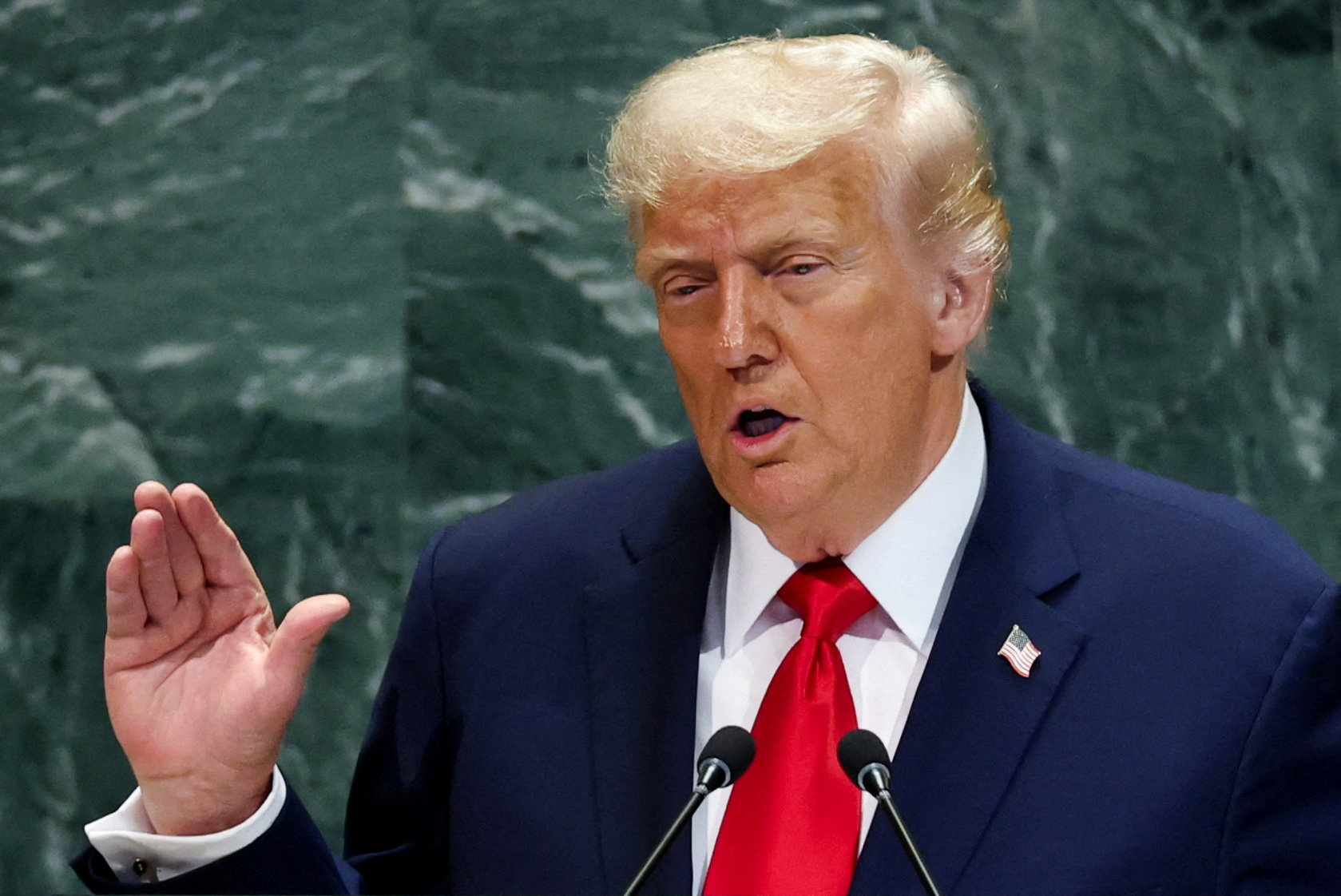
New Delhi’s diplomatic calendar rarely unfolds in isolation, and the timing of US President Donald Trump’s phone call to Prime Minister Narendra Modi this week has not gone unnoticed. Coming soon after Russian President Vladimir Putin’s high-profile and visibly successful visit to India, the call has injected fresh optimism into stalled India–US trade negotiations and hinted at a broader recalibration in Washington’s approach to New Delhi.
According to official readouts, Modi and Trump held a “warm and engaging” conversation, reviewing progress in the Comprehensive Global Strategic Partnership and discussing ways to deepen cooperation in trade, critical technologies, energy, defence and security. Both leaders stressed the importance of sustaining momentum in bilateral trade talks, which have struggled under the weight of tariffs, geopolitical tensions and policy misalignment.
On the surface, the call appeared routine. In context, it was anything but.
Putin’s visit to India — capped by high-visibility optics and reaffirmed energy, defence and strategic ties — underscored New Delhi’s continued ability to balance relations among competing global powers. The now-famous visuals of Modi and Putin together, including their informal car ride, sparked pointed commentary in Washington. At a House Foreign Affairs subcommittee hearing, US Representative Sydney Kamlager-Dove said the image “spoke a thousand words,” warning that Trump’s coercive policies risked pushing strategic partners toward US adversaries.
Her remarks captured a growing bipartisan concern in Washington: that an overly transactional and punitive approach toward India — particularly on trade — could undermine a partnership central to US interests in the Indo-Pacific. Trump’s earlier decisions to impose steep tariffs on Indian goods and publicly criticise New Delhi’s energy ties with Russia had strained relations. The optics of Putin’s embrace of India appear to have sharpened that concern.
Against this backdrop, Trump’s decision to personally dial Modi is being read in New Delhi as a signal of course correction. The call took place even as negotiations for an India–US Bilateral Trade Agreement were underway, following months of limited progress. While no immediate concessions were announced, the tone marked a shift from confrontation to engagement.
That shift matters. Just days earlier, Trump had warned of possible new tariffs on Indian rice exports, accusing India of “dumping” cheap produce and harming US farmers. The comments, made alongside the announcement of a USD 12 billion aid package for American agriculture, rattled negotiators already grappling with disputes over market access and duties. US lawmakers, including Representative Pramila Jayapal, warned that escalating tariffs were hurting both economies, damaging businesses and consumers on both sides.
Yet markets appear to believe diplomacy may now be catching up with economic reality. Indian equities opened higher following news of the Modi–Trump conversation, with benchmark indices posting broad-based gains. Market experts pointed to renewed confidence that trade talks were “progressing well,” aided by improved sentiment and strong domestic inflows. The rally suggested investors see the phone call as more than symbolic — a potential inflection point.
Strategically, the logic is clear. As geopolitical competition intensifies, the US cannot afford to alienate India, a country central to supply chain diversification, defence cooperation and regional balance against China. Trump’s earlier tariff-heavy approach may have played well domestically, but it carried costs abroad. The visible warmth between Modi and Putin likely served as a reminder of those costs.
For India, the moment offers leverage. New Delhi has consistently resisted pressure to choose sides, arguing instead for strategic autonomy. By engaging Putin while keeping channels open with Washington, India has reinforced its value as an independent power rather than a subordinate partner. Trump’s outreach suggests Washington is recalibrating to that reality.
The path to a trade deal, however, remains complex. Structural differences on tariffs, agriculture, digital trade and market access will not disappear overnight. But diplomacy sets the tone for negotiation, and the sudden thaw following Putin’s visit has altered that tone.
As high-level engagements continue under the India–US COMPACT framework, the message from this episode is unmistakable: in today’s multipolar world, pressure tactics have limits. Engagement, even when driven by strategic anxiety, can reopen doors that tariffs alone could not. For now, optimism has returned — not because the hard issues are resolved, but because both sides appear ready to talk again.