Slide
Slide

Bollywood vs. AI: Stars Battle Deepfakes and Identity Theft in the Digital Age

Chalo-1-2.jpg

As artificial intelligence blurs the line between reality and fabrication, India’s biggest film stars are pushing back in courtrooms, raising urgent questions about the future of Bollywood. Our Bureau Mumbai In an industry built on glamour, mystique and carefully cultivated star personas, Bollywood’s biggest names are finding themselves in an unlikely battle—against artificial intelligence. Deepfake technology, capable of cloning voices and generating hyper-realistic images, is now threatening the very identities of actors who once relied on their aura to command box office power and endorsement deals. This new frontier is proving especially disruptive in India, where Bollywood is both a cultural touchstone and a multi-billion-dollar industry. For decades, stars have fought off unauthorised posters, fake merchandise and gossip magazines. But today, the threat is more existential. AI-generated content—whether it is a manipulated video, an artificial voice clone, or an AI “love story” featuring famous couples—risks eroding reputations and reshaping the entertainment economy in ways that legal frameworks in India are only beginning to grasp. The Bachchans vs. YouTube Leading the charge are Abhishek Bachchan and Aishwarya Rai Bachchan, one of India’s most recognisable celebrity couples. In September, the duo filed a lawsuit against Google’s YouTube, demanding the removal of AI-generated videos that use their likeness without consent. Their legal filings accuse YouTube not only of hosting “egregious” and “sexually explicit” deepfakes but also of potentially allowing such videos to be used for training other AI models. The couple’s petition extends beyond individual grievances: they want safeguards ensuring YouTube videos cannot be weaponised by AI developers, setting a precedent that could reshape global platform policies. For Bollywood, the stakes are monumental. If deepfakes of A-list stars circulate unchecked, their carefully controlled public personas—often the basis of lucrative endorsements—could lose credibility. The Bachchans’ concerns are far from isolated. Last year, veteran actor Anil Kapoor successfully blocked the misuse of his image, voice, and even his famous catchphrase “jhakaas.” Actor Jackie Shroff followed suit, with the Delhi High Court recognizing his rights over his nicknames and mannerisms. What was once a trickle of such cases is rapidly becoming a flood, as Bollywood realizes its survival in the AI era may depend on legal protection. Personality Rights Unlike Hollywood, where statutory laws on publicity rights give celebrities significant control over their likeness, India lacks a dedicated legal framework. Instead, judges rely on common law principles and constitutional protections around privacy. This makes enforcement inconsistent. Courts can order takedowns of deepfake videos or unauthorised merchandise, but compensation remains rare and reputational damage is often irreversible. As lawyer Dhruv Anand notes, “The lack of codified personality rights means celebrities have to navigate a patchwork of copyright, trademark, and constitutional laws. By the time a ruling comes, the harm is usually already done.” The ambiguity is further complicated by technology’s speed. In the time it takes to file a lawsuit, thousands of AI-generated clips can proliferate across YouTube, TikTok, or Instagram. Channels like “AI Bollywood Ishq,” which has clocked over 16 million views, show how quickly synthetic videos can find an audience. In one, Aishwarya Rai is seen in a pool with Salman Khan—her ex-partner—while Abhishek fumes in the background. All of it generated by a few text prompts. The Industry’s Fears For Bollywood, AI poses both reputational and commercial threats. Stars who charge millions to endorse luxury brands fear that deepfake ads could dilute their market value. Directors and producers worry that AI-generated “fake trailers” or re-imagined movie scenes could confuse audiences and impact box office earnings. There’s also a cultural dimension. Bollywood thrives on stardom—the larger-than-life personas of actors who are adored by fans and trusted by advertisers. If AI can fabricate a romance, feud or scandal at will, the industry risks losing control over the very narratives that sustain its power. The industry’s response so far has been twofold: legal action and lobbying for stronger regulation. Stars like the Bachchans, Anil Kapoor and Jackie Shroff are asserting their personality rights in court, while filmmakers like Karan Johar have joined calls for India to introduce statutory protections similar to those in the US or Germany. The Future of Bollywood The rise of AI poses an uncomfortable question: if technology can generate new “performances” of beloved stars, will the industry still need flesh-and-blood actors? While that dystopian scenario is still distant, AI is already encroaching on creative territory. Generative models can write scripts, compose music, and create entire scenes in minutes—tasks that traditionally required hundreds of workers. As Aishwarya Rai and Abhishek Bachchan’s lawsuit makes its way through Delhi’s courts, it may serve as a litmus test for how India will balance the promises of AI innovation with the rights of its most bankable cultural figures. For Bollywood, the outcome could determine whether its stars remain the untouchable icons they have always been—or become just another dataset in the age of machines.
As artificial intelligence blurs the line between reality and fabrication, India’s biggest film stars are pushing back in courtrooms, raising urgent questions about the future of Bollywood.

Our Bureau
Mumbai

In an industry built on glamour, mystique and carefully cultivated star personas, Bollywood’s biggest names are finding themselves in an unlikely battle—against artificial intelligence. Deepfake technology, capable of cloning voices and generating hyper-realistic images, is now threatening the very identities of actors who once relied on their aura to command box office power and endorsement deals.

This new frontier is proving especially disruptive in India, where Bollywood is both a cultural touchstone and a multi-billion-dollar industry. For decades, stars have fought off unauthorised posters, fake merchandise and gossip magazines. But today, the threat is more existential. AI-generated content—whether it is a manipulated video, an artificial voice clone, or an AI “love story” featuring famous couples—risks eroding reputations and reshaping the entertainment economy in ways that legal frameworks in India are only beginning to grasp.

The Bachchans vs. YouTube

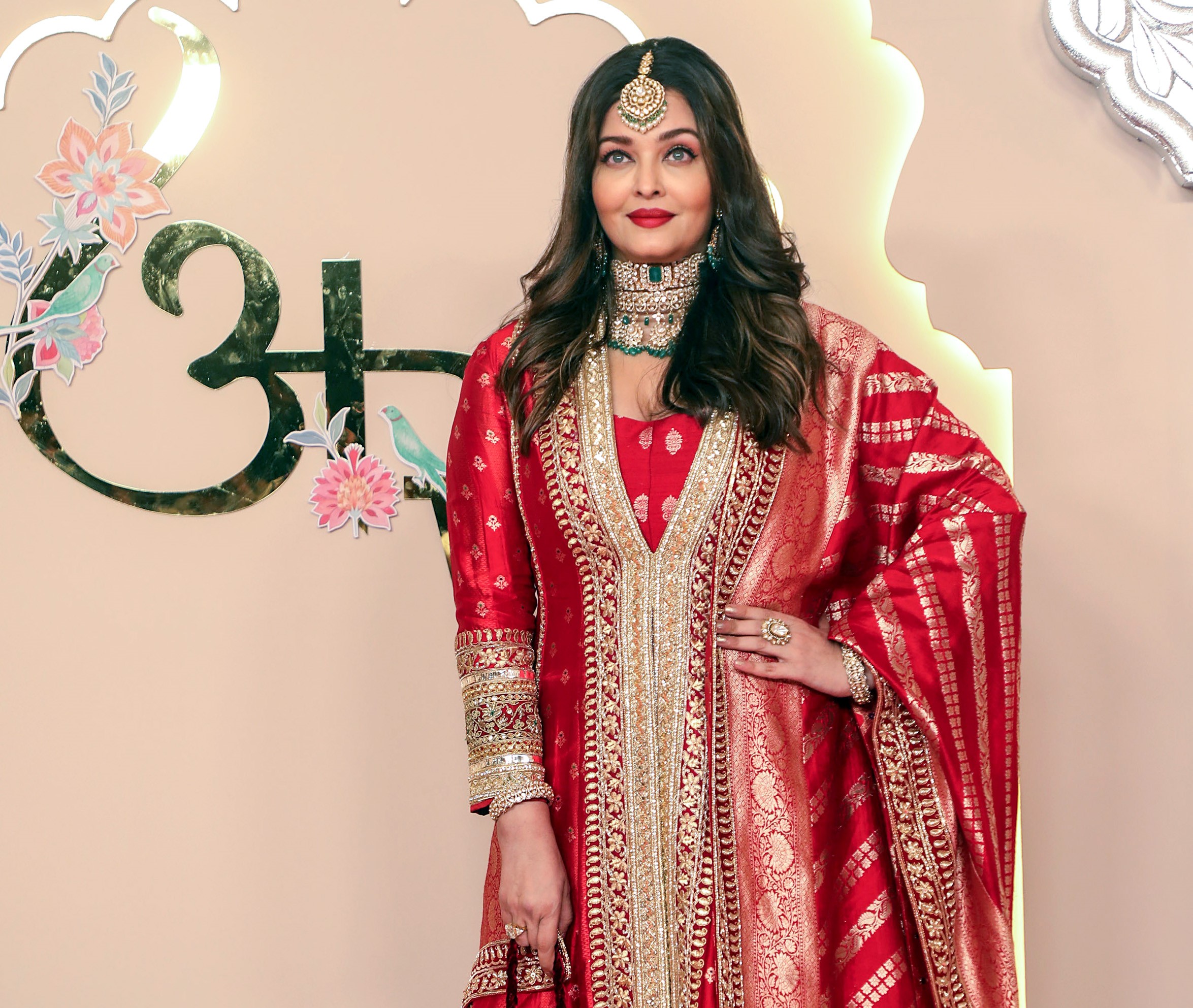
Leading the charge are Abhishek Bachchan and Aishwarya Rai Bachchan, one of India’s most recognisable celebrity couples. In September, the duo filed a lawsuit against Google’s YouTube, demanding the removal of AI-generated videos that use their likeness without consent. Their legal filings accuse YouTube not only of hosting “egregious” and “sexually explicit” deepfakes but also of potentially allowing such videos to be used for training other AI models.

The couple’s petition extends beyond individual grievances: they want safeguards ensuring YouTube videos cannot be weaponised by AI developers, setting a precedent that could reshape global platform policies. For Bollywood, the stakes are monumental. If deepfakes of A-list stars circulate unchecked, their carefully controlled public personas—often the basis of lucrative endorsements—could lose credibility.

The Bachchans’ concerns are far from isolated. Last year, veteran actor Anil Kapoor successfully blocked the misuse of his image, voice, and even his famous catchphrase “jhakaas.” Actor Jackie Shroff followed suit, with the Delhi High Court recognizing his rights over his nicknames and mannerisms. What was once a trickle of such cases is rapidly becoming a flood, as Bollywood realizes its survival in the AI era may depend on legal protection.

Personality Rights

Unlike Hollywood, where statutory laws on publicity rights give celebrities significant control over their likeness, India lacks a dedicated legal framework. Instead, judges rely on common law principles and constitutional protections around privacy.

This makes enforcement inconsistent. Courts can order takedowns of deepfake videos or unauthorised merchandise, but compensation remains rare and reputational damage is often irreversible. As lawyer Dhruv Anand notes, “The lack of codified personality rights means celebrities have to navigate a patchwork of copyright, trademark, and constitutional laws. By the time a ruling comes, the harm is usually already done.”

The ambiguity is further complicated by technology’s speed. In the time it takes to file a lawsuit, thousands of AI-generated clips can proliferate across YouTube, TikTok, or Instagram. Channels like “AI Bollywood Ishq,” which has clocked over 16 million views, show how quickly synthetic videos can find an audience. In one, Aishwarya Rai is seen in a pool with Salman Khan—her ex-partner—while Abhishek fumes in the background. All of it generated by a few text prompts.

The Industry’s Fears

For Bollywood, AI poses both reputational and commercial threats. Stars who charge millions to endorse luxury brands fear that deepfake ads could dilute their market value. Directors and producers worry that AI-generated “fake trailers” or re-imagined movie scenes could confuse audiences and impact box office earnings.

There’s also a cultural dimension. Bollywood thrives on stardom—the larger-than-life personas of actors who are adored by fans and trusted by advertisers. If AI can fabricate a romance, feud or scandal at will, the industry risks losing control over the very narratives that sustain its power.

The industry’s response so far has been twofold: legal action and lobbying for stronger regulation. Stars like the Bachchans, Anil Kapoor and Jackie Shroff are asserting their personality rights in court, while filmmakers like Karan Johar have joined calls for India to introduce statutory protections similar to those in the US or Germany.

The Future of Bollywood

The rise of AI poses an uncomfortable question: if technology can generate new “performances” of beloved stars, will the industry still need flesh-and-blood actors? While that dystopian scenario is still distant, AI is already encroaching on creative territory. Generative models can write scripts, compose music, and create entire scenes in minutes—tasks that traditionally required hundreds of workers.

As Aishwarya Rai and Abhishek Bachchan’s lawsuit makes its way through Delhi’s courts, it may serve as a litmus test for how India will balance the promises of AI innovation with the rights of its most bankable cultural figures. For Bollywood, the outcome could determine whether its stars remain the untouchable icons they have always been—or become just another dataset in the age of machines.

Leave a Reply

Your email address will not be published. Required fields are marked *

scroll to top