

Archan Mehta

Facing the West Indies in cricket used to be like trying to teach a lion to do ballet: grace, power and a touch of terror all at once. In the early days, India’s encounters with the Caribbean giants were defined by learning curves and flashes of brilliance. The 1971 series in the Caribbean marked a turning point, with Sunil Gavaskar announcing himself to the world by scoring 774 runs at an astonishing average of 154.80, including four centuries. Dilip Sardesai complemented him with 642 runs, helping India secure its first series win abroad. West Indies batsmen like Sobers and Richards danced elegantly against spin, forcing India to master patience, discipline, and the ability to seize crucial moments in hostile conditions.
By the 1970s, the West Indies had transformed into an embodiment of cricketing swagger, combining destructive batting with a fearsome pace battery. Clive Lloyd led from the front in 1974/75 with 636 runs at 79.50, Viv Richards dominated in 1975/76 with 556 runs at 92.66, and Gordon Greenidge continued the assault in 1983/84 with 411 runs at 51.37. Their pace quartet of Roberts, Holding, Marshall, and Garner terrorized Indian batsmen, producing spells that demanded extraordinary technique and mental resilience. Indian batsmen responded with grit: Gavaskar, Viswanath, and Mohinder Amarnath exemplified the ability to negotiate extreme pace while compiling substantial scores. Kapil Dev emerged as India’s spearhead with the ball, claiming 29 wickets in the 1983/84 series, including the remarkable 9/83 in Ahmedabad, proving that disciplined seam attacks could wrest back control from the menacing Caribbean quicks.
As the 1980s moved into the 1990s and early 2000s, the rivalry evolved into a battle of individual brilliance. The retirement of West Indies’ golden-era stars saw players like Brian Lara, Shivnarine Chanderpaul, and Carl Hooper carrying the batting responsibility with flair and resilience. Lara’s 391 in 1996/97, Chanderpaul’s 562 at 140.5 in 2002, and Hooper’s 233 in the same series highlighted moments of artistry and concentration. India’s batting matured alongside, with Sachin Tendulkar, VVS Laxman, Rahul Dravid, and Sourav Ganguly producing consistent, calculated performances against the Caribbean challenge. Bowling tactics shifted from relying solely on pace to precise pressure, with Anil Kumble, Javagal Srinath, Harbhajan Singh, and Zaheer Khan methodically challenging even the most talented batsmen. This period became less about raw intimidation and more about sustained skill, strategy, and mental toughness.
The 2000s marked the era of Indian ascendancy in the rivalry, particularly in the Caribbean where victories had been rare. Rahul Dravid’s 496 runs in 2006, Sehwag’s 357 runs at aggressive strike rates, and Virat Kohli’s commanding centuries in later years signified India’s depth and dominance. Rohit Sharma’s debut in 2013/14, with scores of 177 and 111, highlighted the emergence of a confident, expansive batting lineup. On the bowling side, the combination of Anil Kumble, Ishant Sharma, Mohammed Siraj, and Jasprit Bumrah provided both pace and spin potency, maintaining pressure across sessions. The West Indies, with Darren Bravo and Ramnaresh Sarwan providing sporadic resistance, struggled to reclaim the aura of fear they once wielded. India’s ability to control both innings and sessions while remaining flexible in attack exemplified a modern, complete cricketing side.
Since 2000, India has consistently dominated Test series against the West Indies, winning every series in the Caribbean and at home, including notable 2–0 victories in 2016, 2018, and 2023. Key series wins abroad in 2002, 2006, and 2011 demonstrated India’s growing ability to succeed in challenging overseas conditions. These results reflect India’s consistent strength in Tests, combining batting depth and disciplined bowling to neutralize the West Indies’ threats. The shift from an intimidating West Indies team to a more contested rivalry shows India’s transformation into a confident and versatile Test side.
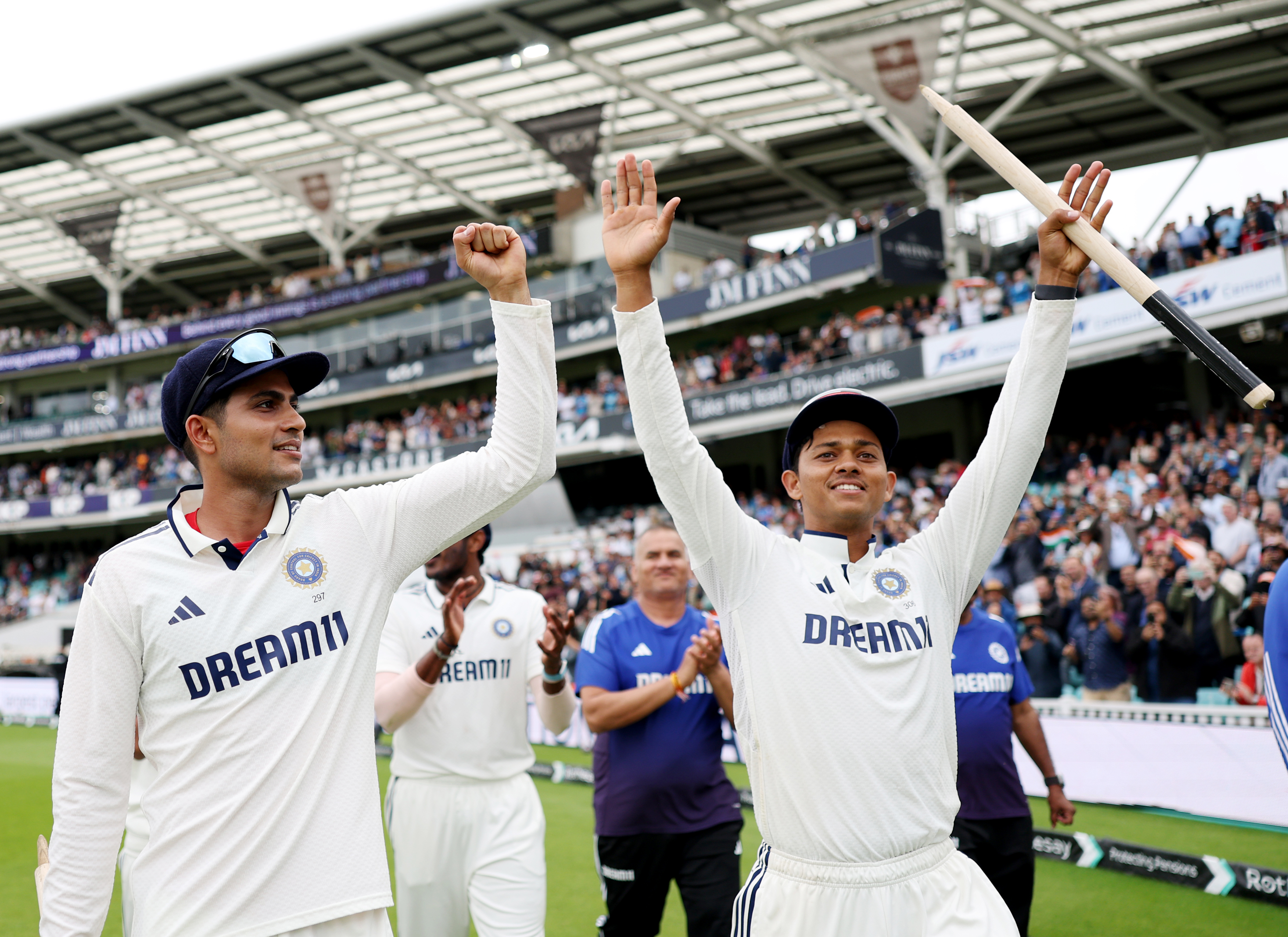
Heading into the 2025 series, India hosts two Tests in Ahmedabad and Delhi, aiming to consolidate World Test Championship points. Shubman Gill leads with Ravindra Jadeja as deputy, while the No. 3 slot is being trialed with B Sai Sudharsan. India’s blend of spin and pace including Bumrah, Siraj, Prasidh Krishna, Jadeja, Axar Patel, and Kuldeep Yadav is designed to exploit home conditions fully. West Indies, under Roston Chase, plan to challenge with experienced batsmen like Tagenarine Chanderpaul and Alick Athanaze, supported by pacers Alzarri Joseph, Johann Layne, Anderson Phillip, and Jayden Seales. While India remains the overwhelming favorite, the Caribbean side intends to play with focus, patience, and tactical awareness. This series promises a continuation of one of cricket’s richest rivalries, a stage where history, talent, and strategy collide, and where India looks to keep adding chapters to its record.
Archan Mehta is a writer dedicated to telling compelling stories about athletes, teams, and the world of cricket