

Our Bureau
New Delhi
Ever since Prime Minister Narendra Modi took the reins as the Prime Minister of India 11 years back in 2014, he has taken some revolutionary steps that have disrupted the Indian system at different points of time.
His first decision in 2014 had set the tone as within hours the government constituted a Special Investigation Team on black money which the Supreme Court had asked since 2011. Then just two years later, PM Modi delivered the most dramatic economic gamble that shook the country. On November 8, 2016, 86% of India’s currency was declared invalid overnight in an attempt to bring out black money.
Rewriting the tax playbook
PM Modi has brought in several reforms that have changed the taxation scenario in India and the reform that changed it the most was the Goods and Services Tax (GST), introduced in July 2017. GST merged 17 state and federal levies into a single destination-based tax and widened the tax net and lifted collections.
In the last fiscal year 2024-25, the government had a record high collection of Rs 22.08 lakh crore. And now the government has introduced the new GST 2.0 which has trimmed the tax slabs from four to two – 5% and 18%, with 40% reserved for luxuries and sin goods.
Cleaning up the banks
The banking reforms are the ones that decide how the money circulates and are very essential for a healthy economy. The Insolvency and Bankruptcy Code (IBC) that was passed in 2016, forced time-bound resolutions of distressed firms. The effects of the reform can be seen majorly as by last year around 8,000 cases had entered the system along with that the resolution rates saw a steady growth.
Banking the unbanked, wiring the economy
The Jan Dhan Yojana, launched by PM Modi in his first year of his tenure in August 2014, has opened more than 56 crore accounts, with deposits topping Rs 2.68 lakh crore. Out of this 56 crore two-third were from rural areas and more than half belonged to women. Along with that the Digital India program which saw UPI being launched in 2016 has turbocharged this inclusion. UPI now accounts for 18.4 billion transactions a month worth Rs 24 lakh crore.
Factories, finance and the future
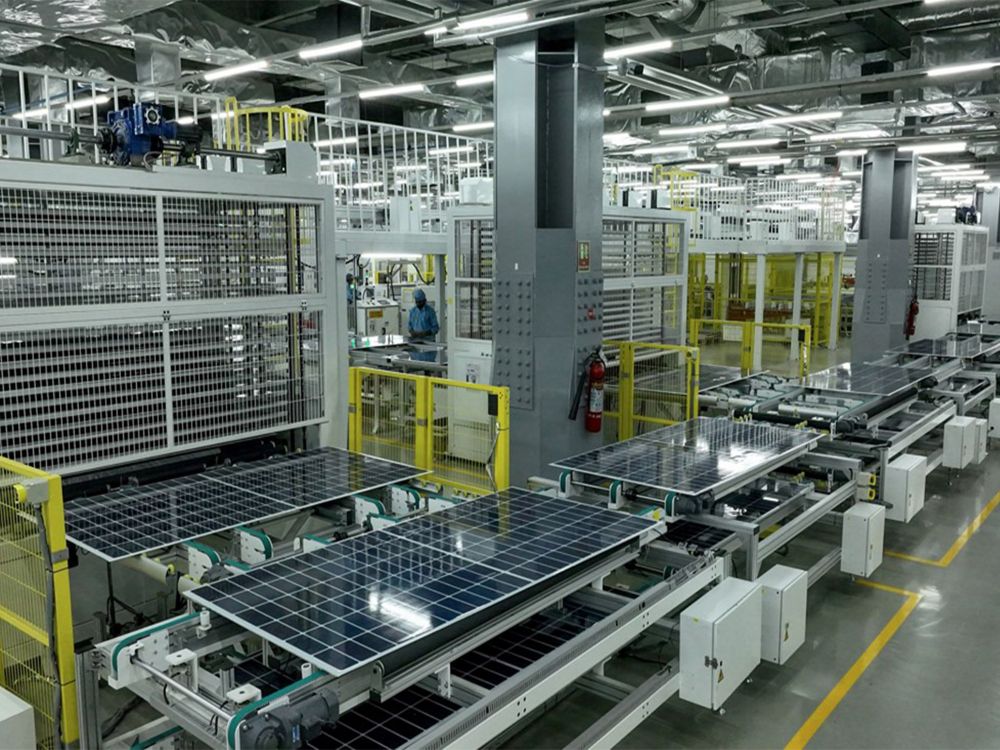
With the Make in India initiative, the government had opened new corridors which saw investors investing into different sectors in India like electronics, autos and pharma, with output and mobile production. The Production-Linked Incentive (PLI) scheme that was launched in 2020, has brought in more than 760 projects, accounting for Rs 1.61 lakh crore of investment and an estimated 11.5 lakh jobs but still the progress is not seen at a certain rate.