

While India’s monsoon breathes life into agriculture and rural consumption, heavy rains and floods expose millions to loss and destruction, making the season both a boon and a bane
Our Bureau
New Delhi
India’s monsoon season, critical for the country’s agriculture-driven economy, continues to be a double-edged sword, delivering both much-needed growth opportunities and devastating destruction. While timely and abundant rainfall fuels agricultural productivity and rural demand, extreme weather events in flood-prone states have wreaked havoc, exposing vulnerabilities in infrastructure and disaster preparedness.
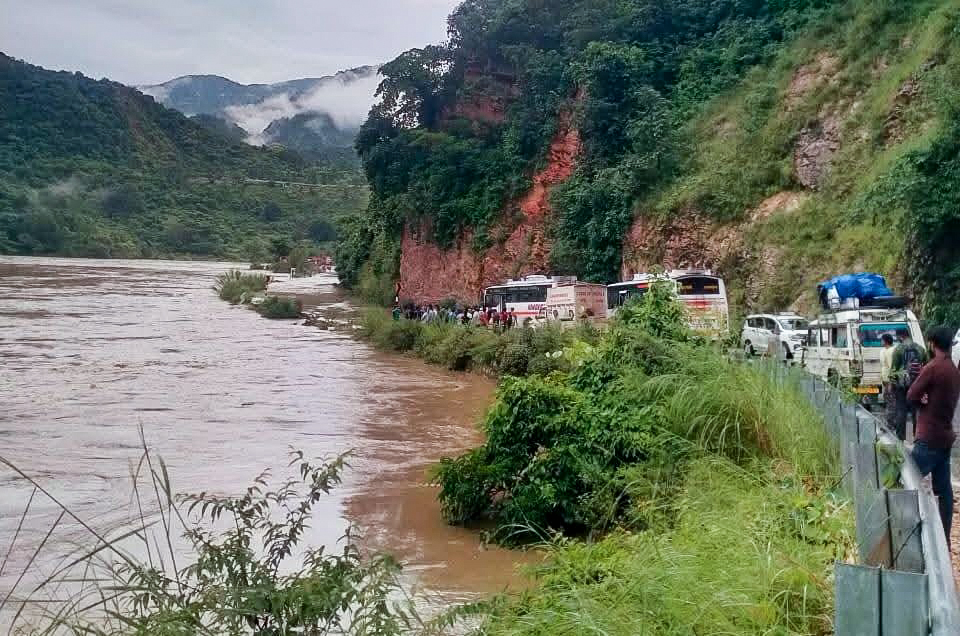
Himachal Pradesh has witnessed one of the heaviest August rainfalls in more than a century. According to India Meteorological Department (IMD) data, the state received 68 per cent more rainfall than normal, making it the ninth-highest August rainfall since 1901 and the highest since 1949. Districts like Kullu recorded 165 per cent excess rainfall, while Shimla saw 123 per cent above normal. Experts warn that saturated soil and intense showers have created the risk of flash floods, prompting red alerts in several districts. “Almost all districts in Himachal Pradesh have received rain in the past 24 hours, with Bilaspur recording extremely heavy rainfall,” said IMD Senior Scientist Sandeep Kumar Sharma.
Meanwhile, in Punjab, the human and economic cost of monsoon rains has been severe. Continuous flooding has affected around 1,655 villages, damaged over 1.75 lakh hectares of cropland, and claimed 37 lives. Union Agriculture Minister Shivraj Singh Chouhan described the situation as “serious” during his visit to Gurdaspur and Amritsar, emphasizing that the central government is actively supporting relief and recovery operations. Evacuation drives, drone-assisted relief, and emergency preparedness inspections are being conducted in flood-prone areas. “Timely action can prevent both loss of life and large-scale damage,” said Anmol Singh Dhaliwal, Additional Deputy Commissioner (Urban Development) of Mohali.
Despite these challenges, the monsoon has also been a key driver of India’s economic revival, particularly in rural areas. Reports from Ambit Asset Management highlight that a strong monsoon, coupled with easing inflation and rising rural wages, is bolstering agricultural productivity and consumption. Early sowing of Kharif crops is 8 per cent ahead year-on-year, and sectors such as FMCG, rural housing, and two-wheelers are seeing renewed demand. Higher wages and improved liquidity are allowing households to spend more on essentials and discretionary goods, while government spending on infrastructure, housing, and the Jal Jeevan Mission adds further momentum to rural growth.
“The green shoots are emerging,” the report noted, citing a strong start to the monsoon and increased government spending as key factors underpinning a broad-based rural recovery. MGNREGA demand is also moderating, suggesting improved job availability outside emergency schemes, which further strengthens household incomes.
However, the benefits of the monsoon are unevenly distributed. Erratic or extreme rainfall can devastate crops, destroy infrastructure, and disrupt daily life, especially in hilly and low-lying regions. In Himachal Pradesh, districts like Solan, Sirmaur, and Kangra remain on red alert, with flash floods and landslides posing ongoing risks. In Punjab, waterlogged fields have destroyed crops, affecting livelihoods and food supply chains. The dual nature of the monsoon underlines the importance of disaster preparedness, resilient infrastructure, and adaptive agricultural practices.
Analysts note that India’s monsoon economy is fragile yet resilient. While excessive rains can trigger localized crises, adequate and well-distributed rainfall boosts farm incomes, stabilizes rural wages, and stimulates consumption. Rural demand recovery, in particular, is vital for sectors like FMCG and agri-inputs, which were severely impacted during the past few years by wage stagnation, erratic monsoons, and inflationary pressures.
As India moves through September, forecasts suggest rainfall may taper slightly but remain above normal in several regions. Policymakers and local administrations are working to balance the need for agricultural abundance with measures to mitigate flood risks and protect communities. The season’s contrasting impacts—nurturing growth on one hand and causing destruction on the other—highlight that the monsoon is both India’s economic lifeline and a persistent natural challenge. In essence, the monsoon continues to shape India’s socio-economic landscape. While farmers, businesses, and rural consumers benefit from a timely, well-distributed rainfall, disaster management and infrastructure readiness remain crucial in mitigating the heavy toll of floods and landslides. The dual nature of India’s monsoon—simultaneously destructive and productive—underscores the need for strategic planning to harness its benefits while minimizing its risks.