

Plan Would Create Approximately 4,300 Permanently Affordable Homes; Plan Includes Public Realm Improvements, Including Accessible, Continuous Waterfront
Our Bureau
New York, NY
New York City Mayor Eric Adams and New York City Department of City Planning (DCP) Director and City Planning Commission (CPC) Chair Dan Garodnick have celebrated the CPC’s vote in favor of the OneLIC Neighborhood Plan, an ambitious proposal to deliver tens of thousands of homes and jobs to Long Island City, Queens. This initiative would revamp local zoning and undertake other initiatives to create nearly 14,700 new homes.
The plan would also map Mandatory Inclusionary Housing (MIH) — which requires new developments to include permanently affordable housing — on a wide scale in the neighborhood for the first time, making sure that around 4,300 of those homes are permanently affordable.
The plan would also boost commercial and industrial space in the area — creating 14,400 new jobs and generating new economic opportunities for residents, workers, and business owners alike. Along with four additional neighborhood plans and “City of Yes for Housing Opportunity” — the first citywide rezoning in 60 years — the OneLIC Neighborhood Plan is a key part of the Adams administration’s work that has already created, preserved, or planned over 426,000 homes for New Yorkers.
“From a thriving industrial hub to a home for artists and entrepreneurs, Long Island City has led many lives over the years. Our ‘OneLIC Plan’ will help Long Island City write the next great chapter in its history, making sure families can find an affordable place, businesses can find a good place to grow, and everyone can access and enjoy the waterfront throughout the neighborhood,” said Mayor Adams. “Whether its advancing five ambitious neighborhood plans like this one, passing the first citywide rezoning in six decades, or shattering affordable housing records year after year, our administration is using every tool we’ve got to create the homes New Yorkers need and make sure our city is the best place to raise a family.”

“The Adams administration’s OneLIC Neighborhood Plan is the largest residential rezoning that this city has pursued,” said Deputy Mayor for Housing, Economic Development, and Workforce Adolfo Carrión, Jr. “Today’s action from the Planning Commission meets the urgency of our housing crisis — not just with 14,700 new homes but also with a wide array of neighborhood investments. I look forward to working with Councilmember Won and other stakeholders to ensure that this historic plan enriches the lives of New Yorkers — both current and future — who call Long Island City Home.”
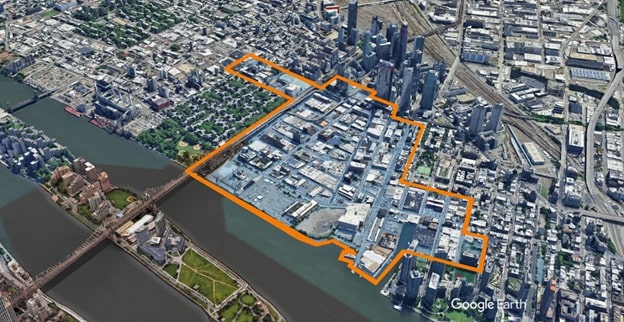
The plan’s boundaries stretch from the East River waterfront to Crescent Street and Queens Plaza North to 47th Avenue, with one segment reaching further up to 39th Avenue between 21st Street to 23rd Street.
The OneLIC plan is one of five ambitious neighborhood plans the Adams administration is advancing to deliver nearly 50,000 homes over the next 15 years to New York City neighborhoods. In addition to the Bronx-Metro North Station Area Plan, the Midtown South plan, and the Atlantic Avenue Mixed-Use Plan — all of which have been passed by the New York City Council — as well as the OneLIC plan, the Adams administration is also advancing a neighborhood plan in Jamaica. Once passed, the Adams administration’s rezoning efforts to date are expected to create nearly 130,000 new homes, more new housing than the previous two mayoral administrations’ rezoning efforts combined.
Today, approximately 46 percent of renters in the neighborhood spend more than 30 percent of their income on rent, and current zoning does not require permanently-affordable, income-restricted homes. The OneLIC plan would allow for the creation of 14,7000 new homes across the neighborhood and apply MIH to Long Island City for the first time. By requiring new developments in Long Island City to include permanently affordable housing, the plan is expected to produce roughly 4,300 income-restricted homes, enough to house roughly 10,000 New Yorkers. This would be the most amount of housing generated by a neighborhood-specific rezoning in at least 25 years.