

Our Bureau
New Delhi
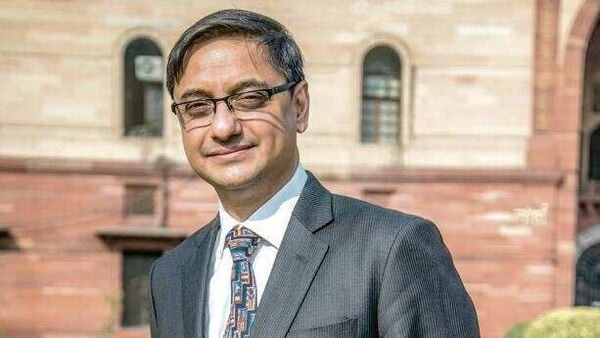
The Goods and Services Tax (GST) system in India is undergoing significant streamlining eight years after its 2014 introduction, according to Sanjeev Sanyal, member of Prime Minister Narendra Modi’s Economic Advisory Council. Sanyal highlighted that when GST was initially launched, the enormous task of consolidating numerous taxes into a cleaner, more efficient framework made it impossible to test the system thoroughly, classify goods precisely, and address implementation issues at the same time.
Sanyal explained that with “literally lakhs of items” to consider, a comprehensive re-categorization and reclassification of tax rates was unfeasible during the transition. Instead, pre-GST tax rates were slotted into the nearest appropriate GST bracket to minimize disruption. Over time, officials realized that fewer rates and slabs were needed and that a return to first principles was essential to correctly assign tax categories to goods.
The timing of the current rationalization, according to Sanyal, reflects priorities in stabilizing the GST system first and then addressing external disruptions such as the COVID-19 pandemic, which delayed further reforms. He emphasized that changes have been ongoing, but further simplification requires collaboration through the GST Council.
Critics, including Congress and former finance minister P. Chidambaram, argued that the reform was overdue and cited economic slowdowns and US tariffs as possible motives. Sanyal dismissed these critiques as political rhetoric, asserting that previous governments had neither created nor stabilized GST, while the current administration managed to do both under difficult circumstances.
On Wednesday, the GST Council announced a reduction in tax slabs from four to two main rates: 5 percent and 18 percent. Additionally, a 40 percent “sin tax” will apply to tobacco products and super-luxury goods such as cars and bikes, marking a significant step in simplifying India’s indirect tax regime.