


H S Panaser

Recent developments suggest that the global IT industry, and specifically the outsourcing sector, is grappling with significant changes stemming from the re-implementation of tariffs and a potential shift towards more protectionist policies in the US.
- Tariffs on goods and their ripple effect
- While tariffs primarily target physical goods, their impact extends indirectly to the services sector, including IT and outsourcing.
- Businesses may face pressure to cut costs in the face of rising expenses from tariffs, potentially leading to reduced spending on IT services and outsourcing contracts.
- For example, tariffs on hardware components and tech products could drive up operational costs for cloud and fintech firms, who may in turn pass those costs to clients or seek alternative sourcing strategies.
2. Calls for American focus and visa policies
- The US administration has been vocal in its demand for American tech giants to prioritize hiring American workers over overseas outsourcing, particularly to countries like India.
- This stance, coupled with potential shifts in visa policies (like stricter H-1B regulations), could significantly impact the pipeline of skilled Indian professionals entering the US tech workforce.
- This could force US companies to re-evaluate their outsourcing strategies and potentially explore options like nearshoring or domestic hiring, leading to increased labor costs and a possible skills gap in certain areas.
- Impact on outsourcing to India
- India has historically been a leading destination for IT and engineering services outsourcing due to its large pool of skilled professionals and cost-effective delivery models.
- While tariffs are not directly imposed on services, the broader economic impact and protectionist policies could indirectly affect the Indian outsourcing industry.
- Clients may exert pressure for lower costs and faster outcomes, potentially compressing profit margins for Indian IT firms.
- However, experts suggest there isn’t a predicted mass exodus of outsourced work from India, but rather incremental adjustments like increased nearshoring and captive operations.
- Indian IT firms are adapting by focusing on digital acceleration, AI implementation, and workforce restructuring to maintain competitiveness and offer specialized expertise beyond just cost advantages.
- Considerations for the future
- The IT industry faces increasing geopolitical tensions, technological advancements (including AI), and the need to navigate complex global supply chains and regulatory environments.
- Companies should proactively build resilient strategies, explore alternative sourcing models, and invest in automation and AI to mitigate risks associated with geopolitical shifts and protectionist policies.
- The long-term impact will depend on the evolution of trade policies, the ability of companies to adapt to changing environments, and the strategic choices made by both governments and businesses.
Note: The information above represents a snapshot based on the provided search results. The situation remains dynamic and subject to ongoing developments and policy changes.
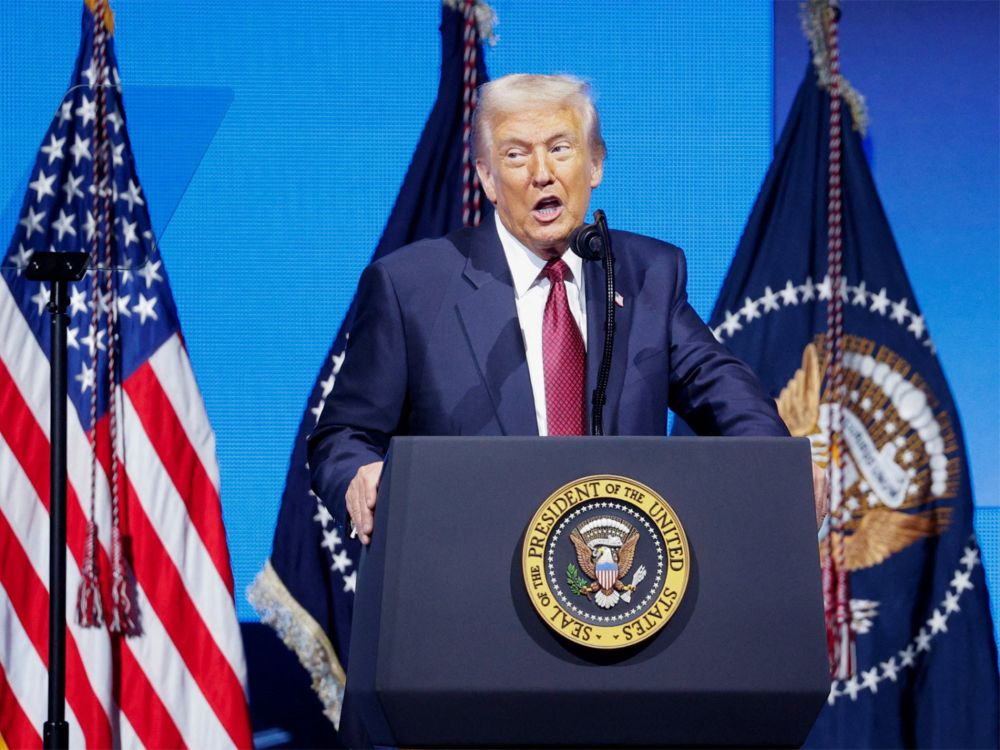
- U.S. President Donald Trump is asking Big Tech and manufacturing giants to stop “hiring in India.”
- The USA has unveiled an aggressive new AI Action Plan, to make the US the “#1 leader in AI”.
- What does USA want? To bring AI jobs, factories, and innovation back to U.S. soil, and not give it to outsiders.
It is currently a wait-and-watch policy for Indian IT services companies regarding the new tariffs and visa policies being embarked upon by the US President. Experts point out that many companies are treading very cautiously especially and are observing how things shape up as the United States keeps unfolding its policies.
Undoubtedly most of the revenue for Indian IT services companies comes from the US market and thus it is one of the most important regions for them. Corporates in the US might go slow in technology adoption which in turn might slow down new deals for the Indian IT services companies.
Currently though, not much has been touched upon by the US Goverment with regard to the immigration of professionals, there could be concerns in the future.
It may be a temporary sign of relief but can haunt the IT services companies in the future. However, the kind of technology professionals India produces and the kind of projects that Indian companies do for US companies will be difficult to replicate by other companies including the US technology companies. However, only time will tell how things shape up in the future.
Experts say that, however, a serious trade war owing to reciprocal tariffs could lead to indecisive periods of business for a couple of quarters for Indian IT services companies before the shocks and aftereffects are absorbed leading to a slower rate of growth as the possible outcome.
As US President escalates trade tensions with India, analysts warn that a more critical challenge may be approaching US work visas. While tariffs on Indian goods have grabbed headlines, India’s long-standing access to the American job market—especially for tech professionals—now appears vulnerable to shifting US Political winds.
India has been a major recipient of US work visas, notably the H-1B program that powers its $250 billion IT services industry. These visas, along with the offshoring of business and software services, have enabled Indian firms to scale globally. But they are also politically sensitive in the US, where Trump’s base has long criticized them for taking away American jobs. While trade disputes may be negotiated, visa access is harder to insulate from political pressure, especially during an election cycle in the US. With immigration, jobs, and foreign technology partnerships becoming flashpoints in domestic debates, India’s pathway to the American labor market could come under fresh scrutiny. What began as a tariff dispute could now turn into a broader realignment—one that challenges not just trade ties but the human capital link that has anchored US-India relations for decades.
H S Panaser is the Chair, Global Indian Trade and Cultural Council l Consultant: Business Development, Pharmaceuticals, IT, Healthcare and AI l EDP I Project Management I President, Global Indian Diaspora Alliance