

As India eyes stable GDP expansion in FY26, analysts warn that falling nominal growth and global headwinds could limit corporate revenues and challenge earnings momentum.
Our Bureau
NEW DELHI
India’s economic trajectory for FY26 presents a complex picture: while real GDP is expected to grow at a steady 6.5%, a significant decline in nominal growth and looming global uncertainties are casting a shadow over corporate profitability and credit expansion.
According to a recent report by Jefferies, India’s nominal GDP growth is projected to fall to 9% in FY26, a six-year low and the second weakest since FY04, excluding the pandemic-affected FY21. This slowdown, despite consistent real GDP growth, is primarily attributed to easing inflation. Lower price levels reduce the overall nominal value of economic activity, impacting revenue streams and financial projections across sectors.
The implications are significant. Jefferies cautions that corporate revenue growth is unlikely to rebound meaningfully in FY26, with weaker nominal indicators expected to drag down earnings momentum. “Don’t expect corporate revenue growth to bounce materially in FY26,” the report states, noting that the nominal downturn could also affect sectors such as banking and consumer finance, where topline growth is closely tied to GDP figures.
One of the most immediate impacts is on credit expansion. Credit growth, which historically tracks nominal GDP, is already showing signs of moderation. Despite the Reserve Bank of India’s pro-growth stance, Jefferies forecasts that bank credit growth may not exceed 11-12% by March 2026. This could affect both investment appetite and liquidity for businesses, particularly mid-size enterprises that rely on institutional lending.
The broader concern is that FY26’s nominal GDP performance would fall below the long-term average. Since FY04, India’s average nominal growth has hovered around 12.6%. A sustained period below this benchmark suggests tighter conditions for earnings expansion, limited credit activity, and moderated business optimism.
In contrast to Jefferies’ cautious tone, a separate report by Crisil offers a more optimistic outlook for the current fiscal year. The rating agency has revised India’s real GDP growth upward to 6.5%, citing several macroeconomic tailwinds, including an above-normal monsoon forecast, further monetary easing, and government-led capex initiatives.
The India Meteorological Department projects a 106% monsoon (relative to the long-period average), expected to boost agricultural output and, by extension, rural incomes. Crisil notes that rural support schemes and income tax cuts announced in the FY26 budget will likely drive consumption, particularly in semi-urban and rural markets.
Crisil also expects an additional rate cut during the current fiscal, following a cumulative 100 basis points reduction in the ongoing easing cycle. These policy moves have already led to lower lending rates and increased spending on infrastructure. Government capital expenditure grew by 38.7% in May, with 17 major states reporting a 44.7% year-on-year increase in capex for the same month.
Sectors linked to investment-related goods showed signs of resilience. Infrastructure and construction goods output rose by 6.3% in May, up from 4.7% in April. However, other segments of the economy are exhibiting strain. The Index of Industrial Production (IIP) slipped to 1.2% year-on-year in May, down from 2.6% in April, marking its lowest point since August 2024. Weaker performance in the electricity and manufacturing sectors, along with output declines in pharmaceuticals, chemicals, and textiles, contributed to the slide.
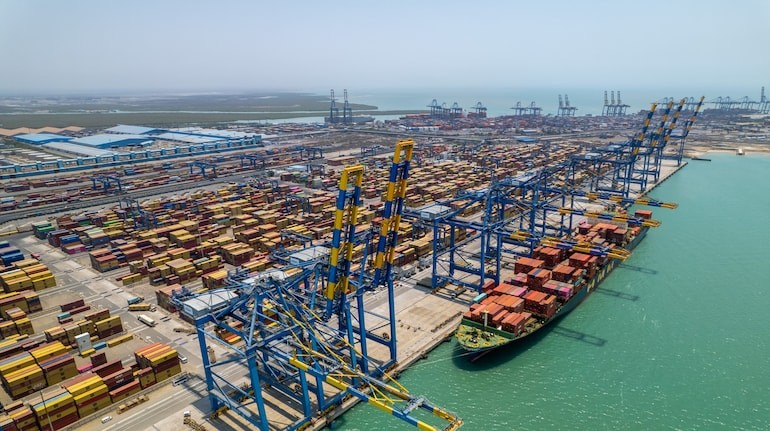
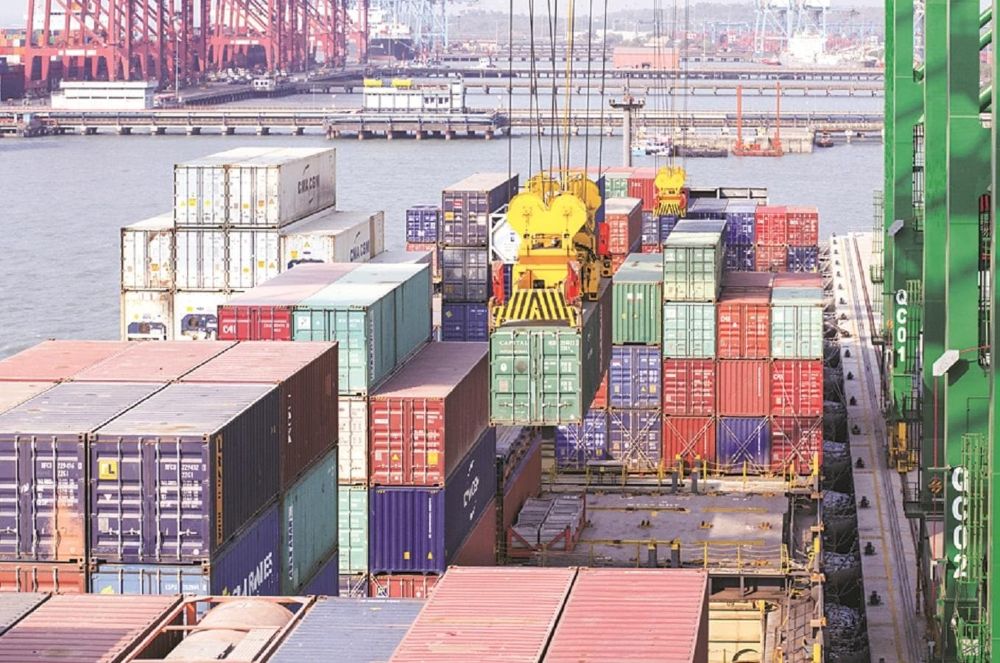
External trade challenges are compounding domestic issues. Reciprocal tariff hikes by the U.S., effective July 9, are expected to weigh on Indian goods exports. These protectionist measures, combined with broader geopolitical uncertainty, could discourage private investment and limit export sector momentum in FY26.
In summary, India’s economic outlook for FY26 is a balancing act. While structural strengths like rural demand, public capex, and monetary policy support provide a cushion, declining nominal GDP growth and subdued global trade prospects pose real risks. Corporates may face an environment where topline growth decelerates, credit access tightens, and export gains diminish.
The challenge for policymakers and businesses alike will be to maintain momentum in real economic activity while navigating the headwinds of a softer nominal environment. As FY26 unfolds, the Indian economy’s resilience will be tested not only by domestic fundamentals but by its ability to withstand global volatility and internal fiscal constraints.