

Our Bureau
Mumbai
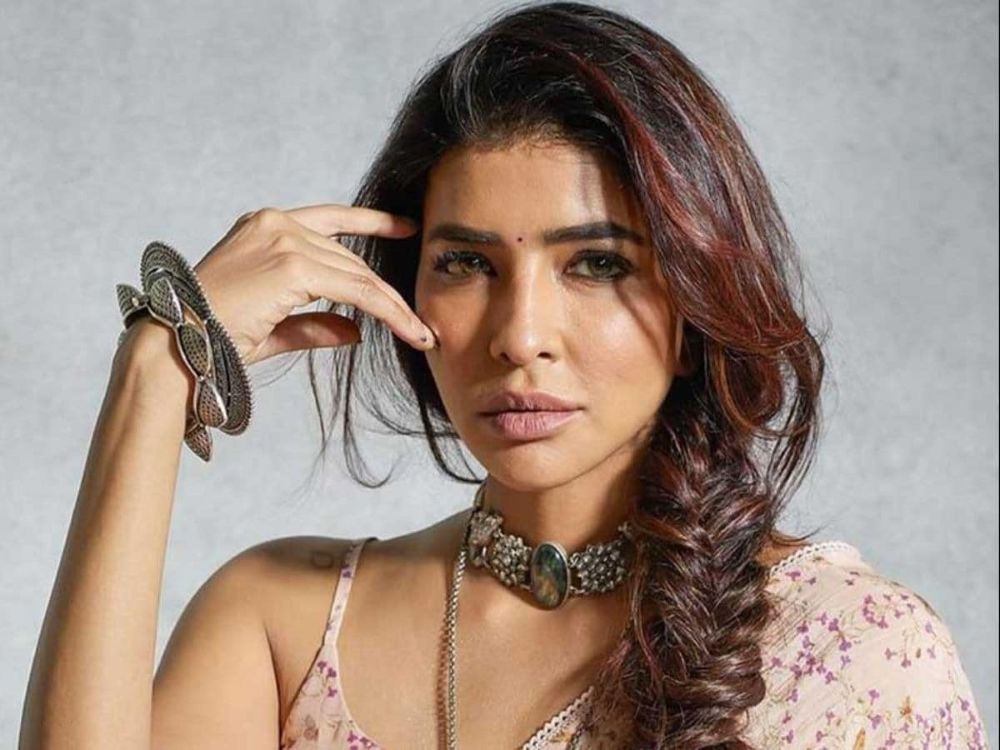
Amid escalating tensions between India and Pakistan, the Indian film industry is embroiled in renewed debate over the participation of Pakistani artists in Bollywood and regional cinema. Actress and producer Lakshmi Manchu has emerged as a prominent voice urging restraint and compassion, cautioning against the politicisation of art and blanket bans on artists based on nationality.
The controversy flared up after actor-singer Diljit Dosanjh faced backlash for starring opposite Pakistani actress Hania Aamir in the upcoming film Sardaar Ji 3. Earlier this year, Vaani Kapoor also came under fire for collaborating with Fawad Khan in Abir Gulaal, a project whose release was suspended following the Pahalgam terrorist attack.
Breaking her silence, Manchu questioned the rationale behind targeting actors. “Don’t politicise art,” she asserted. “Go after the people who are causing the trouble. You can’t just throw a blanket ban on everybody and say no (you can’t work with them). Where is our growth? Where is our warmth? As Indians, we welcomed all these people with open hearts.”
Manchu’s remarks highlight the ongoing tension between cultural exchange and national sentiment. She pointedly asked, “Where are our hearts now? Politics is one way, but why cattle herding and blanketing? Why are they going after an actor? What threat are they to India, and banning their Instagram? Like, how insecure are you?”
The actress called for unity and constructive dialogue. “Rather than a divide-and-rule policy, we need to find ways around how we can find a common ground and fight together against the common enemy,” she concluded.
Her comments have added fuel to the debate over freedom of expression, the role of art in bridging divides, and the impact of political unrest on creative collaboration. Industry insiders note that such controversies often resurface during periods of heightened tension, raising concerns about the future of cross-border artistic partnerships.