

Our Bureau
New Delhi
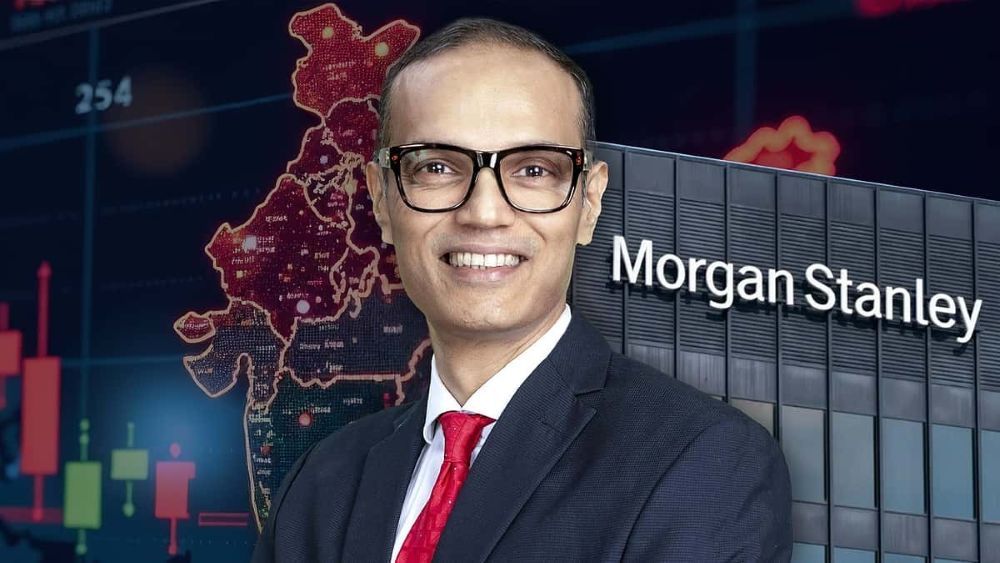
India is playing a pivotal role in preventing the world economy from slipping into recession, according to Ridham Desai of Morgan Stanley. Desai asserts that India is set to contribute an impressive 20–25% of global growth over the next 12 months, even as major economies like the US and China face mounting challenges.
India’s resilience comes at a time when global economic projections are weakening. The International Monetary Fund (IMF) expects the world economy to expand by just 2.8% this year—the slowest pace since the Covid-19 pandemic. In contrast, India’s economy grew by 7.4% in the January–March quarter, driven by robust construction and manufacturing activity. For the fiscal year 2025, India’s GDP expanded by 6.5%, matching government estimates.
Desai highlights that India’s macroeconomic position is notably stronger than many of its global peers. The country’s limited exposure to external shocks—particularly from the US, which accounts for only about 2% of India’s GDP—provides a buffer against global volatility. Furthermore, India’s strength in services exports is expected to remain robust, even if global demand softens.
However, Desai points to three key risks facing the global economy: US-led tariff changes, China’s slowing growth and deflation, and rising geopolitical tensions. Of these, he is more concerned about China, where persistent deflation could lead to weaker pricing and hurt Indian exporters in competitive markets.
Despite these headwinds, India’s corporate earnings have shown resilience. The latest quarter saw better-than-expected results, reversing a temporary slowdown attributed to fiscal compression during elections and monsoon-related spending. Government spending has since rebounded, and monetary policy has eased, further supporting domestic growth.