








Understanding Diabetes: Recognize the Risks, Know the Symptoms, Get Screened, and Take Control of Your Health
Our Bureau
New Jersey
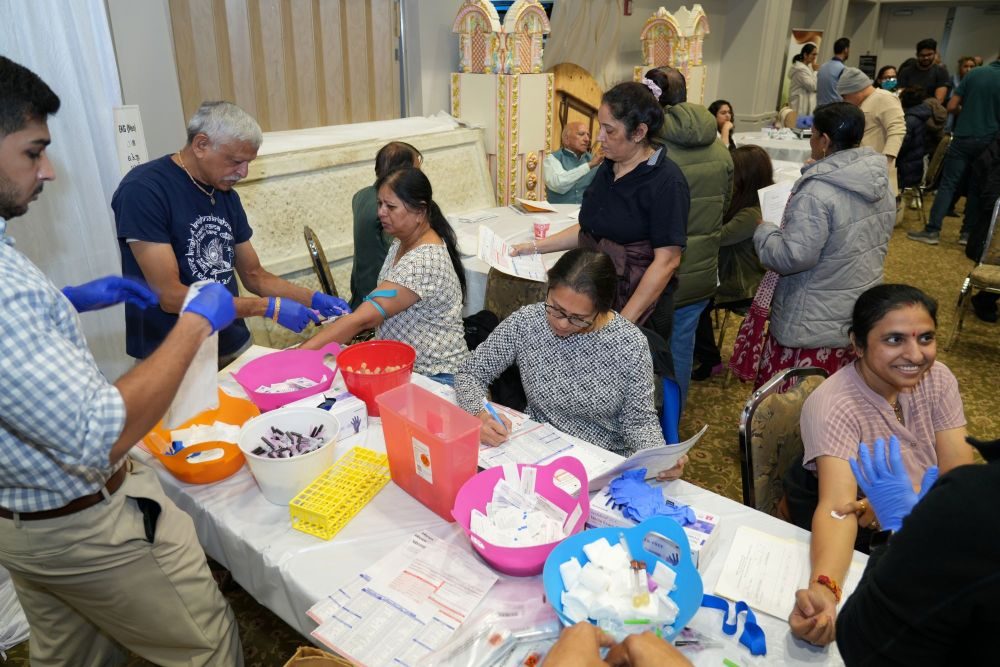
Health Camp of New Jersey is promoting Health, Preventing Disease, and Building Healthier Communities while highlighting the importance of Diabetes Month in November.
Diabetes in America – Know the Numbers!
Diabetes continues to be one of America’s most significant public health challenges.
• 1 in 8 Americans has diabetes.
• 40.1 million Americans are living with diagnosed or undiagnosed diabetes.
• 115.2 million American adults have prediabetes.
• Approximately 1 in 4 people with diabetes do not know they have it.
• 8 in 10 people with prediabetes are unaware of their condition.
These numbers highlight the importance of early detection and preventive healthcare. Without timely intervention, prediabetes can progress to Type 2 diabetes, increasing the risk of heart disease, stroke, kidney failure, nerve damage, and vision loss.
The message is simple: Don’t wait for symptoms. Know your numbers. Get screened. Take control of your health!
Understanding Diabetes
November is recognized as Diabetes Awareness Month, an opportunity to increase awareness, encourage early screening, and promote healthier lifestyles.
Diabetes is a chronic metabolic disease that develops when the pancreas does not produce enough insulin or when the body cannot effectively use the insulin it produces. Insulin regulates blood glucose (blood sugar) levels and helps the body convert glucose into energy.
When blood sugar remains elevated, it can gradually damage blood vessels, nerves, and vital organs, particularly the heart, kidneys, eyes, and nervous system.
According to the International Diabetes Federation’s 2025 Diabetes Atlas, approximately 589 million adults worldwide were living with diabetes in 2024. This represents approximately 1 in 9 adults globally. The number is projected to reach 853 million by 2050.
In the United States, the CDC’s National Diabetes Statistics Report, updated November 2, 2026, estimates that approximately 40.1 million Americans have diabetes, while another 115.2 million adults have prediabetes.
The encouraging news is that Type 2 diabetes can often be prevented or delayed through lifestyle changes, regular screening, and appropriate medical care.
Understanding the Three Main Types of Diabetes
1. Type 1 Diabetes
Type 1 diabetes is an autoimmune condition in which the body’s immune system attacks insulin-producing cells in the pancreas. Individuals with Type 1 diabetes require daily insulin to survive. It can develop at any age and currently cannot be prevented.
2. Type 2 Diabetes
Type 2 diabetes is the most common form, accounting for approximately 90–95% of diagnosed cases. It occurs when the body becomes resistant to insulin or does not produce enough insulin to maintain normal blood sugar levels.
Major risk factors include:
• Being overweight or physically inactive.
• Family history of diabetes.
• Increasing age.
• High blood pressure and abnormal cholesterol.
• History of gestational diabetes.
• Certain ethnic backgrounds associated with increased risk.
Type 2 diabetes can often be prevented or delayed through healthy eating, regular exercise, weight management, and medical intervention.
3. Gestational Diabetes
Gestational diabetes develops during pregnancy in women who did not previously have diabetes. It can increase health risks for both mother and baby. Women who experience gestational diabetes also have a higher risk of developing Type 2 diabetes later in life.
Recognizing the Warning Signs
One of the biggest challenges with diabetes is that symptoms, particularly with Type 2 diabetes, may develop gradually and remain unnoticed for years.
Common symptoms include:
• Excessive thirst and frequent urination.
• Increased hunger.
• Unexplained weight loss.
• Persistent fatigue.
• Blurred vision.
• Slow-healing cuts and wounds.
• Frequent infections.
• Tingling or numbness in the hands and feet.
Important: Many individuals with diabetes have no noticeable symptoms. Regular screening is essential, particularly for those with risk factors.
Serious Health Complications
Uncontrolled diabetes can affect nearly every major organ system and lead to serious long-term complications, including:
• Heart Disease and Stroke: Increased risk of cardiovascular disease, heart attacks, and strokes.
• Kidney Disease: Damage to kidney blood vessels can lead to chronic kidney disease and kidney failure.
• Vision Loss: Diabetic retinopathy can damage the retina and potentially cause blindness.
• Nerve Damage: Neuropathy can cause pain, tingling, numbness, and loss of sensation.
• Foot Ulcers and Amputations: Poor circulation and nerve damage can result in infections, ulcers, and, in severe cases, amputations.
Early diagnosis, proper treatment, and regular medical follow-up can significantly reduce these risks.
Prevention: Take Control of Your Health
Although Type 1 diabetes cannot currently be prevented, many cases of Type 2 diabetes can be prevented or delayed through healthy lifestyle choices.
Key preventive measures include:
1. Maintain a Healthy Weight: Even modest weight loss can improve insulin sensitivity and reduce diabetes risk.
2. Exercise Regularly: Aim for at least 150 minutes of moderate physical activity each week, such as brisk walking, cycling, or swimming.
3. Follow a Balanced Diet: Eat more vegetables, fruits, whole grains, fiber, lean proteins, and healthy fats. Limit sugary beverages, processed foods, refined carbohydrates, and excessive portion sizes.
4. Avoid Tobacco: Smoking increases cardiovascular risks and can worsen diabetes-related complications.
5. Monitor Blood Pressure and Cholesterol: Keeping both under control helps reduce the risk of heart and kidney complications.
6. Schedule Regular Checkups: Routine examinations and appropriate laboratory testing can identify diabetes and prediabetes before complications develop.
Diabetes Screening and Diagnosis
Early diagnosis is one of the most effective ways to prevent or minimize diabetes-related complications.
Abnormal results generally require confirmation through repeat testing unless there is clear clinical evidence of diabetes. Your healthcare provider will determine the appropriate testing and diagnosis.
Treatment and Ongoing Management
Diabetes is manageable with appropriate medical care and lifestyle modifications. Treatment depends on the type of diabetes and each individual’s health needs.
Treatment options may include:
• Healthy eating and regular physical activity.
• Oral medications such as metformin.
• Other medications, including GLP-1 receptor agonists and SGLT-2 inhibitors, when appropriate.
• Insulin therapy when necessary.
• Regular blood glucose and A1C monitoring.
• Blood pressure and cholesterol management.
People living with diabetes should also receive regular preventive examinations, including annual comprehensive eye examinations, kidney function and urine albumin testing, foot examinations, and appropriate vaccinations.
Consistent medical follow-up and adherence to treatment recommendations can help individuals with diabetes live healthier and more productive lives.
Special Considerations for the South Asian Community
Diabetes is a particularly important health concern among South Asians, including individuals of Indian, Pakistani, Bangladeshi, and Sri Lankan ancestry.
South Asians may develop Type 2 diabetes at younger ages and lower body weights than some other populations. Genetic predisposition, abdominal fat distribution, insulin resistance, dietary patterns, and physical inactivity contribute to this increased risk.
Being relatively thin or having a normal body weight does not necessarily mean you are at low risk for diabetes.
Individuals of South Asian ancestry should discuss appropriate screening with their healthcare providers, especially if they have a family history of diabetes, high blood pressure, or abnormal cholesterol.
Early screening and preventive intervention are essential.
November Is Diabetes Awareness Month – Don’t Wait for Symptoms!
Diabetes is a serious but manageable chronic condition. Early detection, healthy lifestyle choices, and appropriate medical care can prevent or delay many complications.
Here are six important actions everyone should take:
- Know your blood glucose and A1C numbers.
- Get screened regularly, especially if you have risk factors.
- Maintain a healthy diet and exercise routine.
- Monitor your blood pressure and cholesterol.
- Follow your healthcare provider’s recommendations.
- Encourage family members and friends to get screened.
A Message from Health Camp of New Jersey – Lata Atul Shah Community Health Center
At Health Camp of New Jersey (HCNJ), our mission is to improve community health through education, preventive healthcare, early detection, and access to essential health screenings.
Since our inception in 1998, HCNJ has provided more than 16,000 health screenings through community health fairs and outreach initiatives across New Jersey.
Our programs focus on identifying chronic health conditions, including diabetes, hypertension, cardiovascular risk factors, and other preventable health concerns. We are particularly committed to serving uninsured and underinsured individuals who may have limited access to preventive healthcare.
We are also pleased to offer expanded primary and preventive healthcare services through the Lata Atul Shah Community Health Center.
Individuals with limited or no access to primary and preventive healthcare are encouraged to contact our health center for information about available services, appointments, and chronic disease management in the near future.
Our commitment is to promote early detection, improve access to healthcare, reduce health disparities, and build healthier communities.