








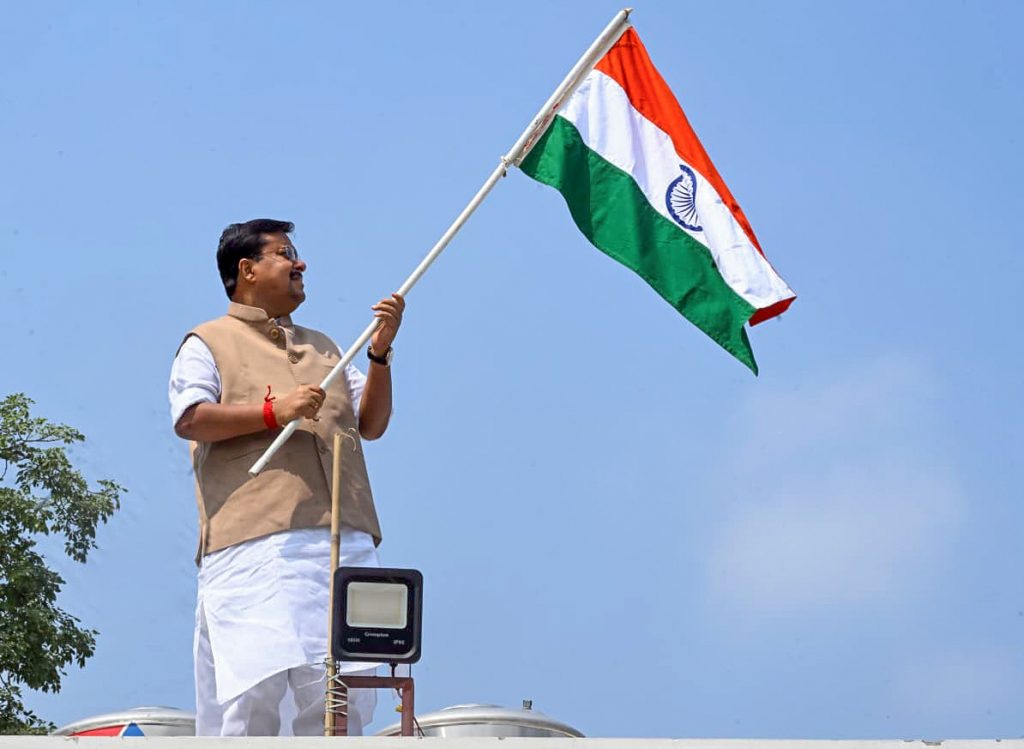
The Indian EYE Weekly Special With Nitin Nabin at the helm, the BJP is combining organizational veterans with younger faces and wider regional representation as it prepares for the next electoral cycle.
Our Bureau
New Delhi
The Bharatiya Janata Party’s new national team under president Nitin Nabin is more than a routine organizational reshuffle. It is an attempt to balance continuity with renewal, experience with youth and established political networks with a broader representation of regions, communities and professional backgrounds.
Announced nearly six months after Nabin took over as BJP president, the team gives a clear indication of the organizational architecture he wants to build as the party heads towards a demanding electoral calendar. With Uttar Pradesh, Punjab and Gujarat already receiving new state in-charges and several other states expected to see changes, the BJP is moving towards an organization designed for the battles ahead.
The most striking feature of the appointments is the combination of familiar names and relatively newer faces. Former Rajasthan chief minister Vasundhara Raje, former Uttarakhand chief minister Tirath Singh Rawat, Ram Madhav and Baijayant Panda bring political experience to the national team. At the same time, the appointment of younger leaders and newer organizational workers indicates that the BJP is investing in its next generation.
This balance matters for a party that has increasingly emphasized institutional continuity even as it prepares for leadership transition in the longer term.
Prime Minister Narendra Modi described the new team as bringing together “organizational experience, energy and grassroots connect”. The formulation captures the central objective behind the exercise: retain the organizational memory of the BJP while giving space to leaders who can connect with newer voters and changing political constituencies.
Nabin himself described it as a “team for the future” and said its task would be to take the Prime Minister’s vision to the grassroots, strengthen ties with party workers and maintain dialogue with the public.
The choice of general secretaries is particularly important because this is the BJP’s core organizational machinery. Former Amethi MP Smriti Irani returns to a prominent organizational role, alongside leaders such as Biplab Deb, Sunil Bansal, Vinod Tawde, Gajendra Patel, Satish Poonia, Harish Dwivedi and Sanjay Bhatia.
The mix gives the party a combination of electoral experience, state-level organizational knowledge and political visibility.
At the other end of the spectrum, the national secretary list demonstrates the BJP’s effort to widen its geographical footprint. Leaders from Madhya Pradesh, Kerala, Uttar Pradesh, Jharkhand, Gujarat, Delhi, Nagaland, Tamil Nadu, West Bengal, Bihar and Assam have been included.
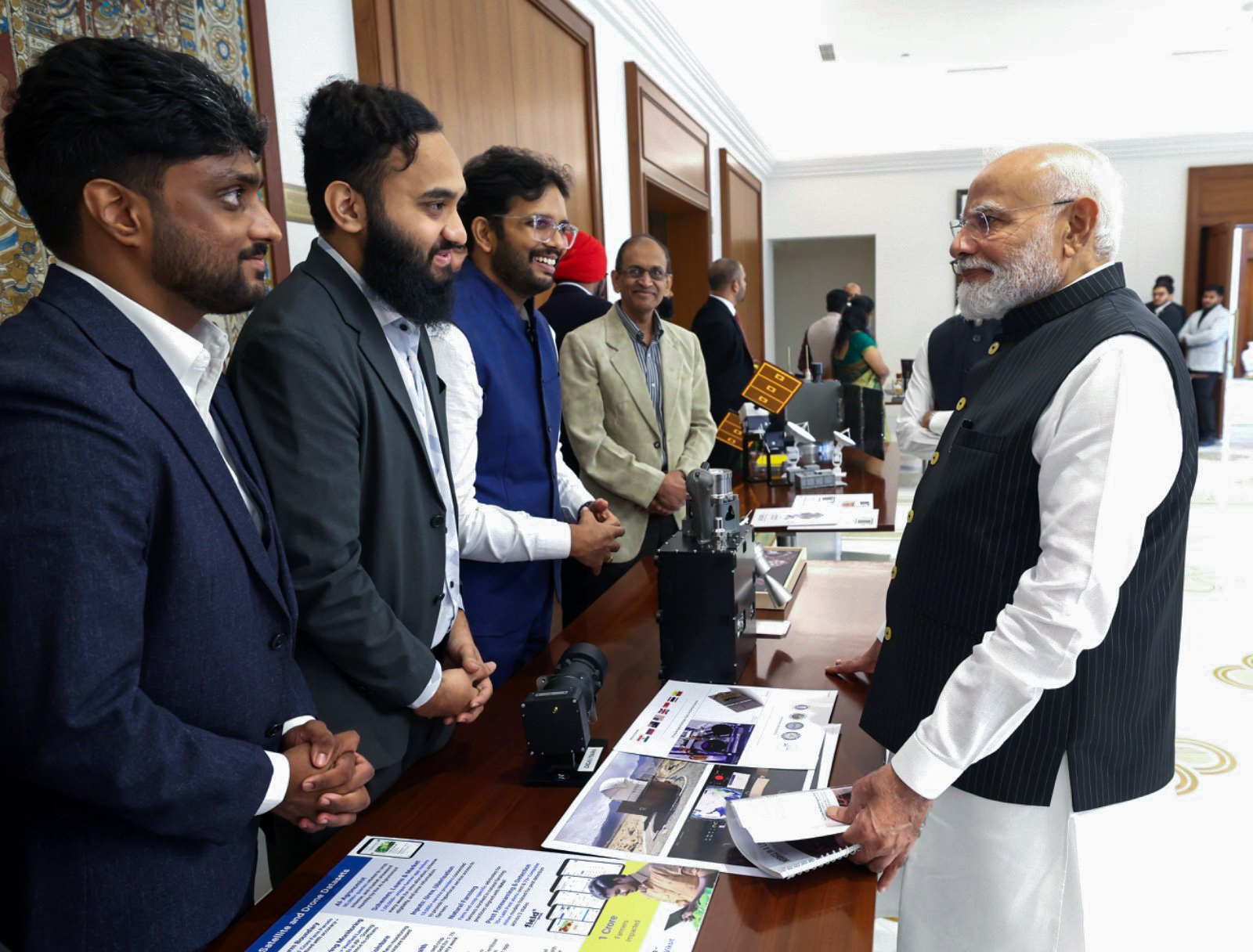
That geographical spread is not incidental. The BJP is no longer primarily a party of a handful of northern and western states. Its national ambitions require organizational depth in regions where its performance remains uneven. The presence of leaders from the Northeast and southern states alongside those from the BJP’s traditional strongholds reflects that reality.
The appointment of Phangnon Konyak from Nagaland is particularly significant in terms of the Northeast’s representation, while leaders from Kerala, Tamil Nadu and West Bengal underline the party’s continuing attempt to build organizational strength in states where electoral competition remains intense.
Women also have a sizeable presence in the new structure. Six of the 13 national vice presidents are women, while Roop Kumari Choudhary has been placed in charge of the Mahila Morcha. Leaders such as Kavita Patidar and Sangeeta Yadav also feature among the national secretaries.
The emphasis on women is strategically important for the BJP because women voters have emerged as an increasingly consequential electoral constituency. The party has also built much of its welfare politics around schemes and initiatives targeted at women, making organizational representation a natural extension of that political strategy.
The new team also gives the BJP a stronger mix of political and professional profiles. Piyush Goyal continues as national treasurer, while Tarun Chugh takes charge of the central office. Anil Baluni continues as media convenor, providing continuity in the party’s communications apparatus.
At the same time, the appointment of Deepak Mhaskey as social media convenor points to the growing importance of digital political communication. The BJP has long been one of India’s most sophisticated political organizations in using social media, and the continuation of that emphasis suggests that the party sees digital outreach as central to its future campaigns.
The appointment of Hemang Joshi to head the Yuva Morcha adds another dimension. If the national organization is meant to combine experience and youth, the youth wing will be an important testing ground for developing the next generation of BJP leaders.
The state-level appointments announced immediately afterwards show that the new national team is already being linked to electoral priorities. Vinod Tawde has been appointed Uttar Pradesh in-charge, with Jagdish Ishwarbhai Patel as co-in-charge. Satish Poonia has been given responsibility for Punjab, while Tarun Chugh has been assigned Gujarat.
The choices are significant because all three states face Assembly elections in 2027.
Uttar Pradesh will naturally be the biggest organizational challenge. It is India’s most politically consequential state and has historically been central to the BJP’s national electoral strategy. Patel, who has been involved with the Varanasi Lok Sabha constituency, has said his priority will be to take the government’s development narrative to the grassroots.
His appointment illustrates another aspect of the new strategy: the BJP wants its organizational machinery to translate government achievements into a direct political message at the constituency and household level.
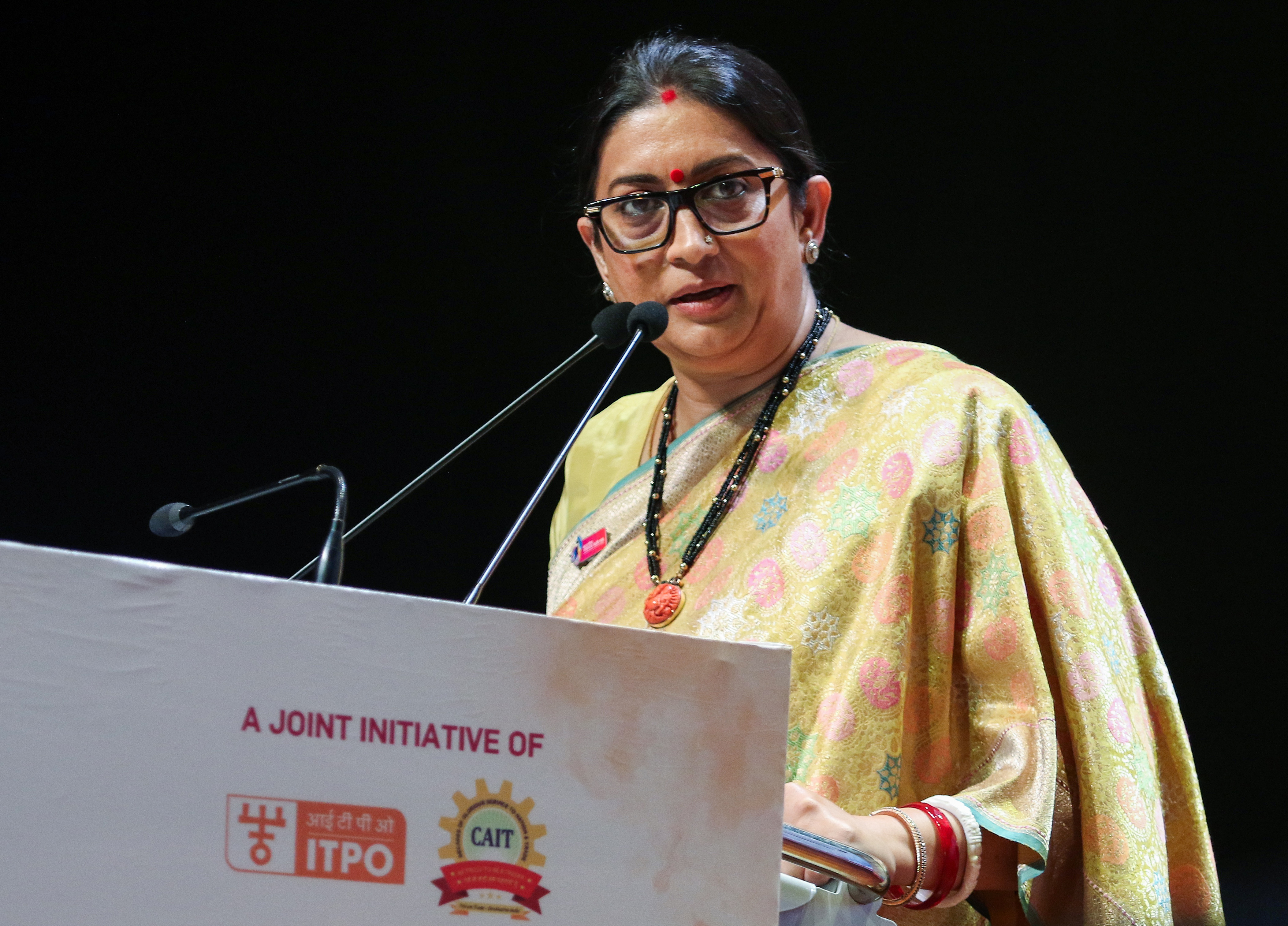
The challenge for Nabin will be to ensure that the national team does not remain a collection of prominent names but becomes an effective electoral machine.
This is where the balance between veterans and younger leaders will be tested. Senior leaders bring institutional memory, political networks and experience of difficult electoral battles. Younger leaders bring energy, digital familiarity and potentially greater connect with emerging voter groups. The BJP’s success will depend on how effectively these strengths are integrated.
There is also a political transition dimension to the exercise. The BJP’s current national leadership remains dominated by the Modi-Shah era, but the party has to prepare for a future in which leadership will gradually broaden. Nabin’s own elevation as party president is part of that process.
His new team therefore has two tasks running simultaneously. In the immediate term, it must deliver electoral results. In the longer term, it must help create an organization capable of sustaining the BJP’s political expansion beyond its current leadership generation.
The 2027 elections will provide the first major test. Uttar Pradesh, Punjab and Gujarat will demand different political strategies, while several other states will require the BJP to deepen its organizational presence.
The new team suggests that Nabin is not attempting a wholesale break with the past. Instead, he is building on the BJP’s existing organizational model while widening its social and geographical reach.
That may ultimately be the most important message from the appointments. The BJP is choosing evolution rather than disruption — keeping experienced hands at the center while giving younger leaders greater responsibility.
Prime Minister Narendra Modi remains the central political and organizational reference point for the new BJP team. The appointments underline an effort to translate his national vision into a wider organizational framework, particularly the goal of building a “Viksit Bharat” by 2047. Modi’s political strength has rested not only on electoral appeal but also on the BJP’s ability to take his message from the national stage to the grassroots. The new team is expected to perform precisely that function.
By combining experienced leaders who understand the party’s established machinery with younger faces capable of engaging new constituencies, the organization is being prepared to sustain the Modi-era political momentum while gradually building a broader leadership bench for the future
For a party that is already nationally dominant, the challenge is no longer simply expansion. It is maintaining momentum, broadening its appeal and preparing an organization that can remain electorally competitive across generations.
Nitin Nabin’s new team is therefore less about replacing the old BJP than about preparing the organization for its next phase — one in which experience provides continuity, youth provides renewal and wider representation becomes essential to sustaining a truly national political footprint.